
Nation
THE STATES

Borno
The Borno-based vigilance group, the Civilian JTF, has
called on the 7 Division, Nigerian Army, to relax the curfew in Maiduguri, to enable it contribute more in checkmating suspected terrorists.
The Legal Adviser to the group, Mr Jubrin Gunda, who made the call while addressing newsmen recently in Maiduguri said relaxing the curfew would enable members of his group to keep a 24-hour vigil on major roads leading into the city.
“We want to appeal to the 7 Division of the Nigerian Army and the state government to please review or lift the current 7 p.m. to 6 a.m. curfew in Maiduguri. We believe that the curfew has given individuals with bad intention easy access to the state capital as our members have been kept away,” Gunda said.
He said that the vigilance members would have done their bit to prevent the January 14 blast if they had been allowed to keep a vigil.
Ekiti
A sanitary officer in Ikole Local Government Area of
Ekiti State, Mr Michael Olagbaju, has warned inhabitants of the area to avoid drinking unwholesome water to avert water-borne diseases.
Olagbaju, who gave the warning last Thursday in an interview in Ikole advised the residents to ensure that they got water from good sources, stressing that water-borne diseases were often rampant during the dry season.
“Unwholesome sachet and bottled water should be rejected and people should check for NAFDAC number and origin of such bottled or sachet water before buying. Water from river, untreated wells and other doubtful sources should be boiled properly before drinking,” she said.
Olagbaju called for regular sanitary inspection in every part of the local government area to ensure healthy living among the residents and urged the people to provide health officers in their communities with information on any health challenges to enable them to take prompt action in addressing such challenges.
FCT
The Copyright Society of Nigeria (COSON) says the Na
tional Broadcasting Commission’s (NBC) decision affirming COSON’s legality to collect royalties on behalf of musical artists is a victory for stake holders in the industry.
Chairman of the Society, Chief Tony Okoroji, who made the declaration in a statement signed by COSON’s Senior Executive, Media, Miss Mayree Uket, last Thursday in Abuja, said that the declaration over the dispute in the broadcast industry was a boost to the industry.
Okoroji said respect for intellectual property rights would benefit the music, film or literary industries in the country and expressed optimism that the NBC’s decision would make the broadcasting stations become centres of profitable, marketable and exportable programming, instead of just being sellers of air time.
Gombe
No fewer than three villages will be relocated to protect
residents from environmental hazards, as a result of the expansion of the Ashaka Cement Company in Gombe State.
The company’s General Manager, Projects, Mr Tony Okpara, disclosed this in Ladde-Bage village of Funakaye Local Government Area of the state recently during the foundation-laying ceremony of some projects.
He named the three communities as Lariski, Darumpa and Malari, and said the company was preparing to spend N262 million on the relocation.
The General Manager said the amount would be spent on the construction of 55 houses, three blocks of classrooms, clinic, mosque and three boreholes for the affected communities.
Jigawa
No fewer than 11 persons have been killed by cholera
outbreak in Jigawa State, the Commissioner for Health, Dr Abubakar Tafida, has said.
In a statement signed by the Public Relations Officer in the state Ministry of Health, Malam Mati Ali, recently in Dutse, said that a total of 153 cholera cases were reported in the state from January 1 to date.
The statement said that the cholera cases were reported in Taura, Birnin Kudu, Garki, Ringim, Babura and Gwaram local government areas of the state, adding that the situation was currently under control.
Kaduna
Wife of the Vice President, Hajiya Amina Sambo, has
described Theatre and Performing Arts as tool for addressing socio-political and economic issues in the society.
Sambo made the remark recently at the inauguration of the Centre of Excellence on Development Communication at the Department of Theatre Arts, Ahmadu Bello University (ABU), Zaria.
The VP’s wife, who was represented by wife of Kaduna State Governor, Hajiya Fatima Yero, said the disciplines had pushed forward messages that promoted good relationships, peace, understanding and scholarship.
“Perhaps that explains why ABU through the department of theatre and performing arts has been engaging communities, especially women and children since its inception in 1975. This is evident in the impact the products of the institution are making in the country and beyond,” she said.
Kebbi
A Non-Government Origination, Youth Advancement
Organisation of Nigeria, says it has intensified its campaign on malaria prevention and diarrhoea management in rural areas of Kebbi.
The Project Director, Alhaji Haruna Alkassim, who made this known in an interview in Birnin Kebbi last Thursday, said that the campaign was being conducted in collaboration with the United States Agency for International Development (USAID).
He said that funding from USAID was utilised to promote child survival interventions, nutrition, breast-feeding, malaria and diarrhoea prevention, treatment and management.
Alkassim said that 150,263 people had been enlightened on the prevention of the diseases in 15 local government areas from January 2013 to date.
Lagos
The Attorney-General of Lagos State, Mr Ade Ipaye,
has stressed the need for a conducive working environment for judges, in order to enhance smooth dispensation of justice.
Ipaye spoke during a valedictory court session held at the Federal High Court, Lagos, in honour of retired Justice Marcellus Awokulehin, who bowed out last Thursday.
According to Ipaye, inadequate working tools and power failure are also now common place in the courts, adding that it constituted a major draw back to the productivity of judges.
“There are harsh working conditions for our judges in the courts and this is almost becoming a norm. Cases of congested courtrooms, inadequate working tools, power failure, are almost becoming normal, and this is very unacceptable”, he said.
Nasarawa
A youth advocate in Keffi, Nasarawa State, Mr Monday
Adamu, last Thursday called on the state government to initiate more youth programmes to reduce youths’ restiveness and other vices.
In an interview in Keffi, headquarters of Keffi Local Government Council, he warned that government should not concentrate on developing the towns, while the villages were suffering.
Another youth, Mr Bala Bernard, also urged the state government to delegate its officials to visit villages and communities to know the state of infrastructure.
He said that it was necessary for government to know the state of the facilities with a view to improving on them and ensure even development.
Ondo
The Ondo State Government last Thursday called on
contractors handling road projects in the state to ensure completion of the projects on schedule.
The state Commissioner for Works, Mr Gboye Adegbenro, who made the call in Akure when he spoke to the contractors and consultants handling the jobs said the state government was “in a hurry to deliver all the road projects to the benefit of the people of the state”.
“Our target now is to complete all ongoing roads projects in the three senatorial districts of the state this year. Some of the roads will be commissioned in this first quarter of the year,” he said.
Responding, the manager of CGC Nig. Ltd, Mr Li-Hung Guang, who spoke on behalf of the contractors, assured the commissioner that they would deliver on their jobs according to specifications.
Oyo
The Archbishop of Ibadan Catholic Diocese, Alaba Job,
is set to retire from service after 43 years. His successor, Archbishop Gabriel Abegunrin, would be installed on January 24.
The Chairman, Central Planning Committee for the installation of Abegunrin, Rev. Fr. Felix Ethapemi, disclosed this at a news conference held at St. Mary’s Cathedral, Oke-Padre, Ibadan, last Thursday.
He said that having attained the canonical retirement age of 75 years on October 29, 2013, Job had applied to Pope Francis 1 for retirement disclosing that the Pope, had approved his application and appointed Abegunrin to succeed him.
Ethapemi said that Abegunrin would retain his administrative duties as Bishop of Osogbo Diocese until a new bishop was appointed.

A cross section of members of the Federal Character Commission Board taking their oath of office during the inauguration of the board by President Goodluck Jonathan in Abuja, last Wednesday. Photo: NAN.



As the world marked the 2026 International Day of the Girl Child on Sunday, October 11, 2026, a non-governmental organisation, Stand Up for Women Society (SWS) has intensified its campaign against child marriage, urging schoolgirls to prioritise education, protect their rights and develop skills for a better future.
The organisation joined the global observance of the day under the theme, “International Day of the Girl Child: End Child Marriage and Invest in Girls’ Rights,” with a sensitisation programme at Government Girls Secondary School, Oromenike, D-Line, Port Harcourt, Rivers State.
Led by its Vice Chairperson, Daba Benebo, the group engaged the students in discussions on the dangers of early marriage, teenage pregnancy, sexual abuse and other challenges that threaten the education, safety and development of the girl child.
Speaking during the programme, Benebo urged the students to reject early marriage and remain focused on their studies, stressing that education would empower them to make informed decisions about their lives and future.
She cautioned the girls against allowing anyone to deprive them of their right to education and dignity, advising them to report cases of harassment, abuse and other violations of their rights to the appropriate authorities.
Benebo assured the students that SWS remained available to support them whenever they encountered violations of their rights.
She also encouraged them to maintain discipline and responsible conduct while avoiding behaviours that could expose them to negative influences and jeopardise their future.
Beyond formal education, the SWS vice chairperson urged the students to acquire vocational skills that could provide additional opportunities for economic independence and help them navigate future challenges.
The sensitisation programme, enlivened by singing, dancing and to share their views and experiences on issues affecting the girl child interactive sessions, provided an opportunity for the students to share their views and experiences on issues affecting the girl child.
One of the major issues raised during the discussion was the appropriate age for marriage. While some participants maintained that 18 years was the constitutionally approved age, the discussion highlighted the need to consider not only age but also the maturity, preparedness and responsibilities associated with marriage.
The speaker stressed that marriage required adequate mental and emotional preparation, as well as the capacity to shoulder its responsibilities.
She therefore advised the students to concentrate on acquiring a sound education before considering marriage, noting that education would equip them with the knowledge and skills needed to make responsible decisions and manage family life.
The issue of teenage pregnancy also featured prominently during the question-and-answer session.
In addressing the subject, the speaker explained that pregnancy could occur even at the age of 12, using the example to underscore the vulnerability of young girls to the consequences of early sexual activity.
She advised the students to avoid sexual intercourse and prioritise their education, personal safety and future aspirations.
The discussion also examined the difficulties some girls encounter when living with hostile spouses, relatives or guardians.
Benebo encouraged the students to cultivate patience, humility and diligence, noting that these qualities could help them navigate difficult situations and build a brighter future.
However, she warned that patience and humility should never be interpreted as an obligation to endure violence, abuse or degrading treatment.
She urged girls experiencing hostile or abusive living conditions to seek help from their parents, trusted adults or appropriate support services rather than remain in environments that could expose them to physical or emotional trauma.
“When such happens, please return to your parents and engage in petty trade or learn a skill to support your education rather than stay in a hostile environment,” Benebo stressed.
The programme also underscored the importance of protecting girls from early marriage and other harmful practices that can disrupt their education, compromise their well-being and limit their opportunities in life.
It also reinforced the need for families, schools, communities and relevant organisations to work together to ensure that girls have access to education, vocational training, protection and the support they need to realise their potential.
For SWS, the message was clear: empowering the girl child begins with protecting her rights, investing in her education and equipping her with the confidence and skills to make informed choices about her future.
Stories by Kevin Nengia
The Egberipapa Foundation has unveiled a mass transit scheme aimed at easing transportation difficulties and improving connectivity among communities in the three Kalabari local government areas of Asari-Toru, Degema and Akuku-Toru in Rivers State.
The initiative, established by former Caretaker Committee Chairman of Akuku-Toru Local Government Council, High Chief Sobomabo Jackrich, popularly known as Egberipapa, is designed to make transportation more accessible and affordable for residents across the Kalabari area.
The scheme was launched on Monday, October 12, 2026, and is expected to address longstanding transportation challenges confronting residents, particularly those in riverine and hard-to-reach communities.
Communities expected to benefit from the initiative include Krakrama, Minama, Angulama, Sangama, Omekwe-Tariama and Omekwe-Ama.
The project is expected to ease movement within and beyond the Central Group area, while providing residents with a more convenient means of transportation for their daily activities.
For decades, transportation difficulties have posed significant challenges to several Kalabari communities, making movement between settlements both cumbersome and expensive. These challenges have also affected commercial activities, social interactions and access to essential services.
The introduction of the mass transit scheme is therefore expected to provide relief to residents, strengthen inter-community connections and stimulate economic activities across the benefiting communities.
Beyond improving mobility, the initiative could contribute to community development by facilitating the movement of people and goods, supporting local businesses and enhancing social and economic interactions within the Kalabari area.
As the scheme gets underway, attention will be focused on its implementation, accessibility and sustainability, as well as its capacity to deliver lasting transportation benefits to the target communities.
The initiative represents a potentially significant step towards addressing transportation challenges and promoting grassroots development across the Kalabari Kingdom.
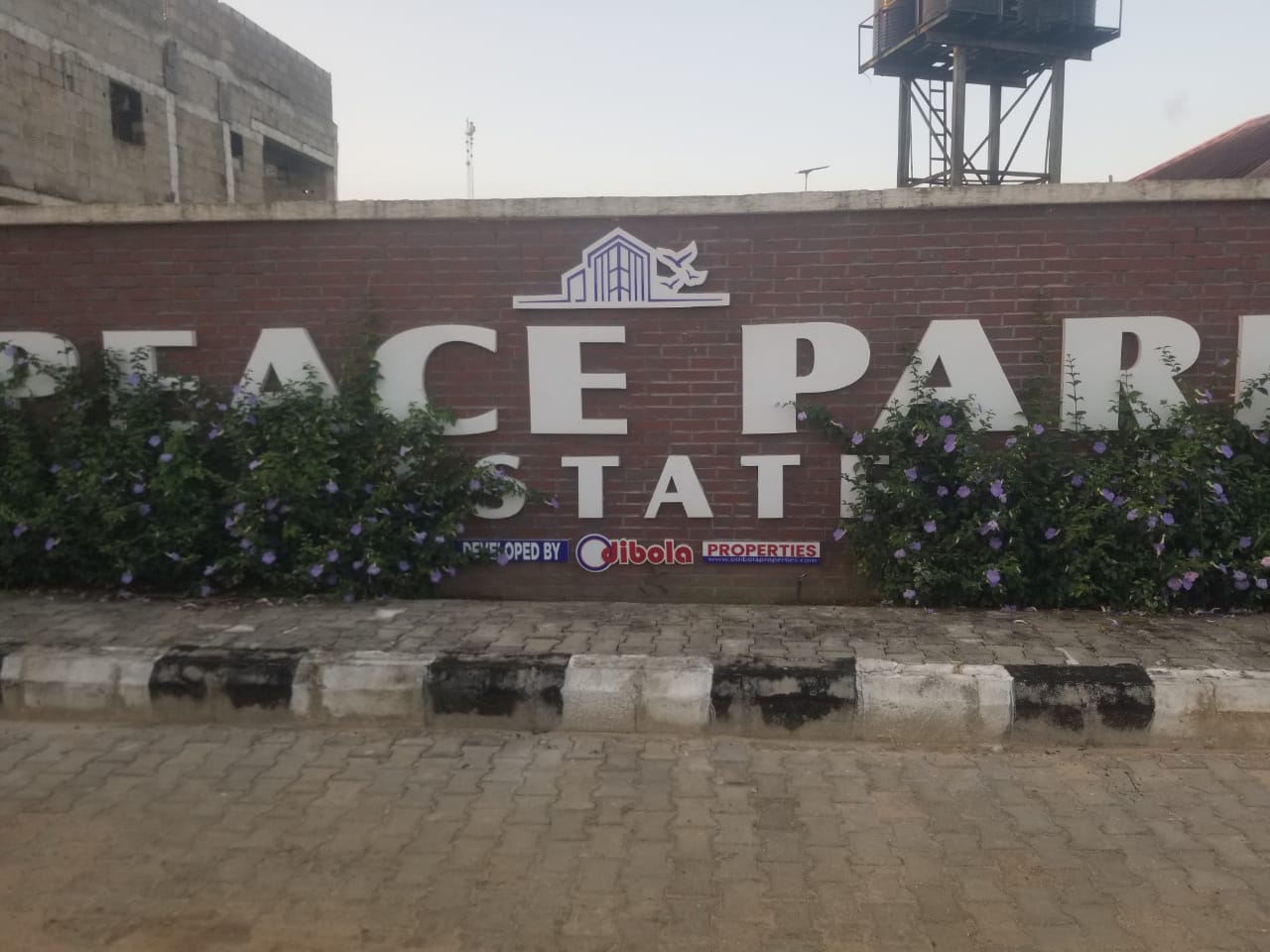
The Amaewhule family of mbodo Aluu in Ikwerre Local Government Area of Rivers State has cautioned members of the public against entering into any land transaction involving a disputed property known as “Ada Oro Fam Land,” located behind the OPM Church along Airport Road.
The family, through its legal counsel, Barrister Ndubuisi Agumagu, issued the warning amid an ongoing legal dispute over the ownership and control of the property, which is said to comprise more than 900 plots of land.
The matter is currently before the Isiokpo High Court of Rivers State in a suit numbered IHC/246/CS/2026, presided over by Justice Sobere Biambo.
The claimants in the suit include Chief Green Amaewhule and others, while Fabulous Amaewhule and Odibola Properties are listed among the respondents.
Counsel to the Amaewhule family, Barr Ndubuisi Agumagu, advised prospective land buyers and members of the public to exercise caution and refrain from purchasing any portion of the disputed property pending the determination of the case by the court.
According to the legal counsel, the property is a family estate belonging collectively to the Amaewhule family, and no individual member of the family has the authority to unilaterally dispose of portions of the land.
The counsel specifically maintained that Fabulous Amaewhule, one of the respondents in the suit, does not have the legitimate authority, according to the family’s position before the court, to sell portions of the disputed property.
The family further warned that anyone who proceeds to purchase land from the respondents while the matter remains before the court would be doing so at their own risk.
It stressed that such buyers could potentially lose their investments should the court eventually deliver judgment against the validity of the transactions.
The legal team said the warning became necessary to prevent unsuspecting members of the public from committing their resources to a property whose ownership and right of disposition are currently the subject of judicial determination.
The family also urged prospective investors, developers and land buyers to conduct proper legal inquiries and obtain independent verification of the status of the property before committing funds to any transaction relating to it.
The Amaewhule family said its position was intended to protect members of the public from possible financial losses and further legal complications while the case remains sub judice, stressing that interested parties should await the final determination of the court.
Akujobi Amadi
-

 Niger Delta15 hours ago
Diri Restates Stance On Lagos-Calabar Coastal Highway
-

 Niger Delta15 hours ago
C’River, NUJ Pay Tribute To Late Guardian Editor
-

 News17 hours ago
NDLEA Recovers Tons Of Illicit Drug Consignments In Nine States
-

 Opinion15 hours ago
Checking Voter Apathy In Nigeria’s Electoral Process
-

 Sports12 hours ago
Nigerian Trio Target Titles At PFL Africa Finals
-

 Education13 hours ago
FCE Yola Graduates 3,555 Teachers , Seeks Upgrade to University
-

 Politics13 hours ago
2027: DICKSON’S EX-ALLY VOWS TO WORK AGAINST NDC INTEREST IN BAYELSA
-

 Politics13 hours ago
2027: GROUP PLEDGES 40,000 SUPPORTERS FOR COALITION CANDIDATES IN RIVERS