
Nation
THE STATES

Adamawa
The police in Mubi Local Government Area in Adamawa have arrested two farmers, Jonathan Rugwari and David Rugwari in connection with an assault occasioning harm on one Dotorr Markul.
The Police Area Commander, Mr Bashiru Itanola, an Assistant Commissioner of Police (ACP), confirmed the arrest to newsmen in Mubi on Wednesday, but declined to say the cause of the attack.
He said the suspects were apprehended for allegedly attacking Markul with daggers at Kirya village in the local government area.
Itanola said Markul sustained injuries from the attack and was currently receiving treatment at a private clinic in the area.
According to him, the suspects would soon be arraigned.
The commander appealed to the people of the area to cooperate with the police and remain law abiding.
Bauchi
The Bauchi State Command of the Nigeria drug Law Enforcement Agency (NDLEA) has called on youths in the state to shun anyone offering to engage them as political thugs or for other criminalities.
The Commandant of the agency, Alhaji Suleiman Madu, made the call on Wednesday in Yuguda village, Bauchi Local Government Area, during a sensitisation exercise on the dangers of drug abuse.
Madu expressed concern with situations where politicians engaged youths as political thugs by giving them hard drugs that were detrimental to both their physical and moral up bringing.
Madu urged the people in the state to report illicit drugs dealers who were bent on circulating hard drugs to members of the society, especially the youth.
Earlier, the Sarkin Yuguda, Alhaji Hamza Musa, commended the command for the campaign and assured the agency that the people of his domain would always support it in its war against hard drugs.
FCT
Prof. Williams Emofurieta, Lecturer at the Department of Geology, University of Benin, said on Wednesday that more than 4 billion metric tonnes of virgin bentonite had yet to be exploited in the country.
Emofurieta disclosed this while delivering a lecture at a two-day international conference on “Modern Mining Processing’’ in Abuja.
Bentonite, according to him, “is a mass of clay minerals dominated by over 70 per cent montmorillonite, while other minerals such as quartz, illite, kaolinite, vermiculite and attapulgite may occur in association as impurities within bentonite”.
“Nigeria has an estimated large reserve of more than 4 billion metric tonnes of virgin bentonite ore yet to be exploited.
“This will more than serve Nigeria for the next 1,000 years for our domestic needs and export purposes,’’ Emofurieta said.
He said the development of the ore would create more employment opportunities capable of increasing the country’s source of revenue and the Gross Domestic Product.
FCT
In another development the House of Representatives on Thursday appealed to President Goodluck Jonathan to re-award the Abuja-Lokoja-Okene road contract.
It summoned the Minister of Works, Sen. Sanusi Dagash, to appear before its Committee on Works to explain the delay in the completion of the project.
The House also directed the minister to ensure that critical portions of the road at Abuja, Gwagwalada bridge and Lokoja were completed before the end of the year.
It directed relevant agencies to release funds to the contractors to facilitate the completion of the project on schedule.
Gombe
The National Hajj Commission of Nigeria (NAHCON) has stressed the need for change of attitude among Nigerian pilgrims to ensure smooth Hajj operations in the country.
A NAHCON Commissioner, Alhaji Isa Bukar, made the call in Gombe on Wednesday at the North East Zone sensitisation meeting of state chairmen and secretaries of Pilgrims Welfare Board.
Bukar said some of the problems encountered during hajj exercise could be a thing of the past if there was a change of behaviour on the part of all concerned.
He sais most of the problems faced during Hajj operation such as overloading, misbehaviour and absconding of pilgrims were caused by lack of proper and clear knowledge on how Hajj should be conducted.
The meeting suggested that NAHCON should find ways of preventing those who had performed hajj exercise from embarking on the holy pilgrimage to give others opportunity and reduce congestion in the Holy land.
The meeting, the first of its kind, attracted Hajj officials and clerics from the six states in the North East Geo-political Zone.
Kwara
The Olofa of Ofa in Kwara, Oba Muftau Gbadamosi, has tasked security operatives to fish out those behind the recent killing of journalists in the country.
Gbadamosi made the call in Ilorin at a ceremony to commemorate the 30th anniversary of the Kwara State Broadcasting Corporation (Radio Kwara).
He also pleaded with government to provide adequate security for media practitioners.
The Monarch said that the killings, if not checked, would affect the practice of journalism and information dissemination, which he described as crucial to nation building.
Gbadamosi, however, urged journalists not to renege in discharging their constitutional roles and also to uphold the ethics of journalism.
The General Mananger of the station, Mr Abdulateef Adedeji, said that the station was in total state of disrepair until 2003, when the present administration was inaugurated.
Adedeji assured that the station would continue to practice responsible journalism with a view to promoting peace within and outside the state.
Lagos
A cooking competition organised by the women fellowship of the Christian Community Church, Surulere, Lagos tagged ‘cooking contest for Jesus’ has ended.
Rivers State indigenous delicacy prepared with ripe plantain and fresh fish pepper soup (biate mbana) by Mrs. Helen Bob-Manuel emerged the first position while Cameroonian dish, Ndole soup cooked by Mrs. Okome Dibo-Ebong came second.
In an interview with our correspondent shortly after the keenly contested event at the church premises last Sunday, the leader of the fellowship, Mrs. Bose Abisagboola r4ecalled that the group had organised symposia for members in other areas of endeavour, but stressed that the cooking contest was aimed at getting women more involved in their kitchens.
According to Mrs. Abisagboola, “most women are not seriously involved in cooking for their families, rather they prefer buying cooked food outside for their families, hence the competition is to show how orderly and simple the handling for kitchen environment and the entire home should be”.
Oyo
Unregistered human resources management practitioners in the country will be sanctioned, the Chartered Institute of Personnel Management of Nigeria IPMN) warned on Thursday in Ibadan.
The National President of the CIPMN, Mr Abiola Popoola, gave the warning at an agricultural human resources management forum organised by the institute.
He sought the support of registered members in flushing out fake practitioners.
He urged those who had not registered with the institute to do so immediately, saying it was the only way true professionalism could be brought to bear on the practice of personnel management.
Popoola also said that in line with the institute’s professional development plan, there was an urgent need for it to add value to national development through increased capacity building.
The president noted that the CIPMN had branches in 25 states and promised that efforts would be made to expand and establish branches in the 11 remaining states and Abuja as well as in some local government areas.
Sokoto
The Sokoto Government has distributed 726 assorted brands of vehicles to its workers, who are expected to pay back the cost as loans.
It also disbursed about N530 million as car purchase/refurbishing loans to the workers.
The Commissioner for Social Welfare, Alhaji Ahmed Aliyu, made the announcement in Sokoto on Thursday while briefing newsmen on the outcome of the state executive council meeting.
He said that 30 Kia and 14 Hyundai vehicles worth N128.8 million were approved for Permanent Secretaries and Directors-General, while 100 Hyundai and 235 Chevrolet cars worth N476.7 million were given to civil servants on grade levels 14 to 16.
Aliyu said that those on grade levels 12 to 13 would be allocated 247 Hyundai and 100 Kia Picanto cars worth more than N400 million, while civil servants under grade level 12 would be given N800,000 and N500,000 each as car loans, amounting to N530 million.
The Commissioner for Education, Alhaji Arzika Tureta, said the council also approved some projects, including the construction of roads within and outside the state’s metropolis at more than N2 billion.
Taraba
The National Drug Law Enforcement Agency (NDLEA) in Taraba seized 977 kilogrammes of Indian hemp from dealers between January and May this year, an official of the agency has said.
The agency’s Commander in the state, Mr Kaku Mshelia, said the figure surpassed the total seizure of 796kg in 2009.
Kaku newsmen in Jalingo on Wednesday that the command made its largest catch since its establishment in 2003 in May when it seized a consignment weighing 345kg.
He said that his men, acting on a tip off, intercepted the consignment conveyed from Akure.
The commander said that four persons, Joseph Etim, Okon John, Akpabio Philip and Mohammed Ibrahim, were arrested and charged to court in Yola as the main suspects in the deal.
Kaku said that 56 suspects were arrested during the period, out of whom 17 have been convicted to various jail terms, while 23 others were counseled and rehabilitated.



As the world marked the 2026 International Day of the Girl Child on Sunday, October 11, 2026, a non-governmental organisation, Stand Up for Women Society (SWS) has intensified its campaign against child marriage, urging schoolgirls to prioritise education, protect their rights and develop skills for a better future.
The organisation joined the global observance of the day under the theme, “International Day of the Girl Child: End Child Marriage and Invest in Girls’ Rights,” with a sensitisation programme at Government Girls Secondary School, Oromenike, D-Line, Port Harcourt, Rivers State.
Led by its Vice Chairperson, Daba Benebo, the group engaged the students in discussions on the dangers of early marriage, teenage pregnancy, sexual abuse and other challenges that threaten the education, safety and development of the girl child.
Speaking during the programme, Benebo urged the students to reject early marriage and remain focused on their studies, stressing that education would empower them to make informed decisions about their lives and future.
She cautioned the girls against allowing anyone to deprive them of their right to education and dignity, advising them to report cases of harassment, abuse and other violations of their rights to the appropriate authorities.
Benebo assured the students that SWS remained available to support them whenever they encountered violations of their rights.
She also encouraged them to maintain discipline and responsible conduct while avoiding behaviours that could expose them to negative influences and jeopardise their future.
Beyond formal education, the SWS vice chairperson urged the students to acquire vocational skills that could provide additional opportunities for economic independence and help them navigate future challenges.
The sensitisation programme, enlivened by singing, dancing and to share their views and experiences on issues affecting the girl child interactive sessions, provided an opportunity for the students to share their views and experiences on issues affecting the girl child.
One of the major issues raised during the discussion was the appropriate age for marriage. While some participants maintained that 18 years was the constitutionally approved age, the discussion highlighted the need to consider not only age but also the maturity, preparedness and responsibilities associated with marriage.
The speaker stressed that marriage required adequate mental and emotional preparation, as well as the capacity to shoulder its responsibilities.
She therefore advised the students to concentrate on acquiring a sound education before considering marriage, noting that education would equip them with the knowledge and skills needed to make responsible decisions and manage family life.
The issue of teenage pregnancy also featured prominently during the question-and-answer session.
In addressing the subject, the speaker explained that pregnancy could occur even at the age of 12, using the example to underscore the vulnerability of young girls to the consequences of early sexual activity.
She advised the students to avoid sexual intercourse and prioritise their education, personal safety and future aspirations.
The discussion also examined the difficulties some girls encounter when living with hostile spouses, relatives or guardians.
Benebo encouraged the students to cultivate patience, humility and diligence, noting that these qualities could help them navigate difficult situations and build a brighter future.
However, she warned that patience and humility should never be interpreted as an obligation to endure violence, abuse or degrading treatment.
She urged girls experiencing hostile or abusive living conditions to seek help from their parents, trusted adults or appropriate support services rather than remain in environments that could expose them to physical or emotional trauma.
“When such happens, please return to your parents and engage in petty trade or learn a skill to support your education rather than stay in a hostile environment,” Benebo stressed.
The programme also underscored the importance of protecting girls from early marriage and other harmful practices that can disrupt their education, compromise their well-being and limit their opportunities in life.
It also reinforced the need for families, schools, communities and relevant organisations to work together to ensure that girls have access to education, vocational training, protection and the support they need to realise their potential.
For SWS, the message was clear: empowering the girl child begins with protecting her rights, investing in her education and equipping her with the confidence and skills to make informed choices about her future.
Stories by Kevin Nengia
The Egberipapa Foundation has unveiled a mass transit scheme aimed at easing transportation difficulties and improving connectivity among communities in the three Kalabari local government areas of Asari-Toru, Degema and Akuku-Toru in Rivers State.
The initiative, established by former Caretaker Committee Chairman of Akuku-Toru Local Government Council, High Chief Sobomabo Jackrich, popularly known as Egberipapa, is designed to make transportation more accessible and affordable for residents across the Kalabari area.
The scheme was launched on Monday, October 12, 2026, and is expected to address longstanding transportation challenges confronting residents, particularly those in riverine and hard-to-reach communities.
Communities expected to benefit from the initiative include Krakrama, Minama, Angulama, Sangama, Omekwe-Tariama and Omekwe-Ama.
The project is expected to ease movement within and beyond the Central Group area, while providing residents with a more convenient means of transportation for their daily activities.
For decades, transportation difficulties have posed significant challenges to several Kalabari communities, making movement between settlements both cumbersome and expensive. These challenges have also affected commercial activities, social interactions and access to essential services.
The introduction of the mass transit scheme is therefore expected to provide relief to residents, strengthen inter-community connections and stimulate economic activities across the benefiting communities.
Beyond improving mobility, the initiative could contribute to community development by facilitating the movement of people and goods, supporting local businesses and enhancing social and economic interactions within the Kalabari area.
As the scheme gets underway, attention will be focused on its implementation, accessibility and sustainability, as well as its capacity to deliver lasting transportation benefits to the target communities.
The initiative represents a potentially significant step towards addressing transportation challenges and promoting grassroots development across the Kalabari Kingdom.
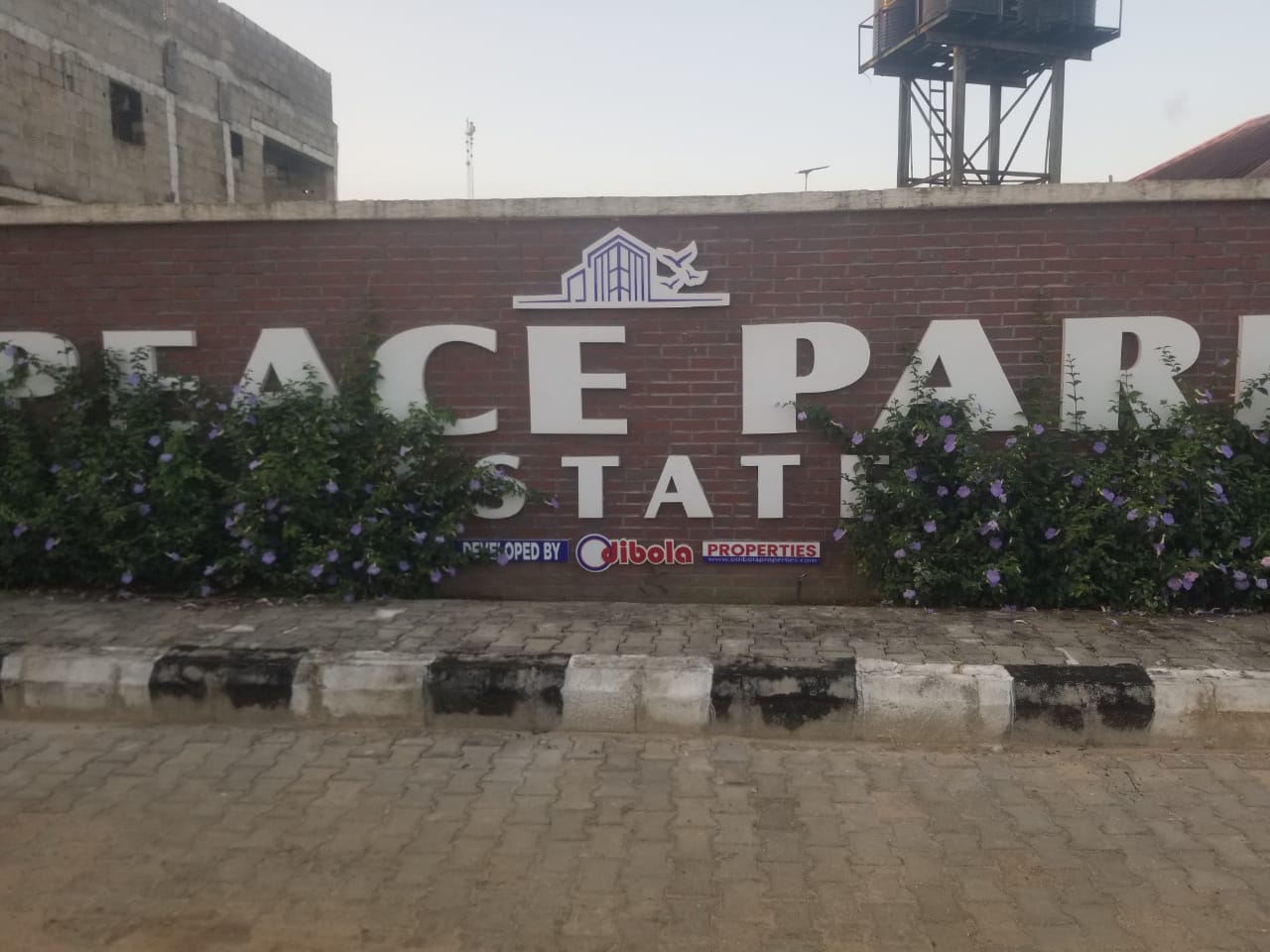
The Amaewhule family of mbodo Aluu in Ikwerre Local Government Area of Rivers State has cautioned members of the public against entering into any land transaction involving a disputed property known as “Ada Oro Fam Land,” located behind the OPM Church along Airport Road.
The family, through its legal counsel, Barrister Ndubuisi Agumagu, issued the warning amid an ongoing legal dispute over the ownership and control of the property, which is said to comprise more than 900 plots of land.
The matter is currently before the Isiokpo High Court of Rivers State in a suit numbered IHC/246/CS/2026, presided over by Justice Sobere Biambo.
The claimants in the suit include Chief Green Amaewhule and others, while Fabulous Amaewhule and Odibola Properties are listed among the respondents.
Counsel to the Amaewhule family, Barr Ndubuisi Agumagu, advised prospective land buyers and members of the public to exercise caution and refrain from purchasing any portion of the disputed property pending the determination of the case by the court.
According to the legal counsel, the property is a family estate belonging collectively to the Amaewhule family, and no individual member of the family has the authority to unilaterally dispose of portions of the land.
The counsel specifically maintained that Fabulous Amaewhule, one of the respondents in the suit, does not have the legitimate authority, according to the family’s position before the court, to sell portions of the disputed property.
The family further warned that anyone who proceeds to purchase land from the respondents while the matter remains before the court would be doing so at their own risk.
It stressed that such buyers could potentially lose their investments should the court eventually deliver judgment against the validity of the transactions.
The legal team said the warning became necessary to prevent unsuspecting members of the public from committing their resources to a property whose ownership and right of disposition are currently the subject of judicial determination.
The family also urged prospective investors, developers and land buyers to conduct proper legal inquiries and obtain independent verification of the status of the property before committing funds to any transaction relating to it.
The Amaewhule family said its position was intended to protect members of the public from possible financial losses and further legal complications while the case remains sub judice, stressing that interested parties should await the final determination of the court.
Akujobi Amadi
-

 Niger Delta13 hours ago
Diri Restates Stance On Lagos-Calabar Coastal Highway
-

 Niger Delta13 hours ago
C’River, NUJ Pay Tribute To Late Guardian Editor
-

 News14 hours ago
NDLEA Recovers Tons Of Illicit Drug Consignments In Nine States
-

 Opinion13 hours ago
Checking Voter Apathy In Nigeria’s Electoral Process
-

 Sports10 hours ago
Nigerian Trio Target Titles At PFL Africa Finals
-
 Education11 hours ago
FCE Yola Graduates 3,555 Teachers , Seeks Upgrade to University
-

 Politics10 hours ago
2027: DICKSON’S EX-ALLY VOWS TO WORK AGAINST NDC INTEREST IN BAYELSA
-

 Politics10 hours ago
2027: GROUP PLEDGES 40,000 SUPPORTERS FOR COALITION CANDIDATES IN RIVERS