
Business
Fuel Consumption Hits 80m Litres Daily Subsidy Skyrockets

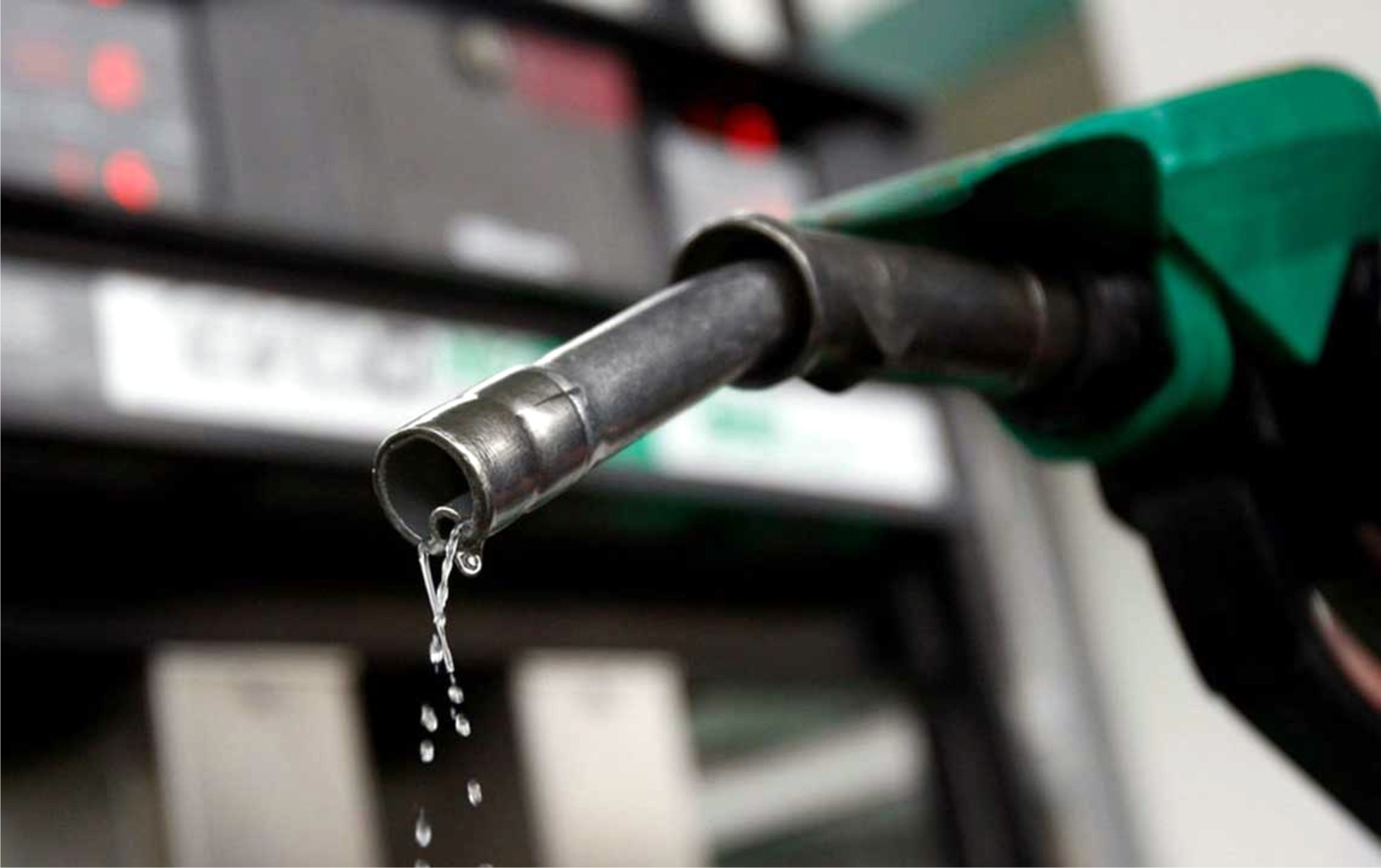
Consumption of Premium Motor Spirit (PMS) has risen to about 80 million litres daily, pushing up subsidy on the commodity to an estimated N484bn monthly, going by latest figures from the Nigerian National Petroleum Company Limited.
An analysis of PMS weekly evacuation/dispatch data from March 4 – 10, 2023, obtained from NNPCL indicated that a total of 558.83 million litres of petrol was evacuated during the period, translating to an average daily consumption of 79.83 million litres.
Around mid-last month, the Group Chief Executive, NNPCL, Mele Kyari, said about 66 million litres of petrol was pumped daily into the market by the oil firm, as the company was spending about N202 on every litre of PMS consumed across the country.
“Today, by law and the provisions of the Appropriation Act, there is a subsidy on the supply of petroleum products, particularly PMS imports into our country. In current data terms, three days ago, the landing cost was around N315/litre.
“Our customers are here; we are transferring to each of them at N113/litre. That means there is a difference of close to N202 for every litre of PMS we import into this country. In computation, N202 multiplied by 66.5 million litres, multiplied by 30 will give you over N400bn of subsidy every month”, the GCEO had stated.
Since January till date, the cost of crude oil has revolved around $83/barrel, while the official exchange rate has been about N460/$. Crude oil price and foreign exchange rate are the major determinants of refined petroleum products’ cost, according to operators.
Going by NNPCL’s latest fuel consumption figure of 79.83 million litres daily, and a subsidy of about N202/litre, it implies that the oil company would be spending an estimated N483.8bn to subsidise the commodity monthly.
NNPCL is the sole importer of petrol into Nigeria and has maintained this for several years. Other marketers of the commodity stopped its imports due to the difficulty in accessing foreign exchange required for PMS purchase.
NNPCL, however, has been lamenting the huge burden of PMS subsidy, as Kyari pointed out in February that this had been a drain on the cash-flow of the national oil firm.
He explained that the continuous funding of petrol subsidy by NNPCL had been ongoing without refunds from the Federal Ministry of Finance, Budget and National Planning, despite the fact that subsidy had been budgeted for in the Appropriation Act.
“But there is a budget provision for it (subsidy). Our country has decided to do this. So, we are happy to deliver this, but it is also a drain on our cash flow, and I must emphasize this.
“For as we continue to support this, you will agree with me that it will be extremely challenging for us to continue to fund this from the cash flow of the company when you do not get refunds from the Ministry of Finance”, Kyari had stated in Abuja.
Fuel subsidy is a topical issue in Nigeria. Many experts, local and international institutions have called for a halt in petrol subsidy. However, labour unions had kicked against an outright subsidy halt, on the grounds that the Federal Government must fix Nigeria’s refineries first.
Analysts at Centre for the Promotion of Private Enterprise recently explained that Nigeria would save about N10tn annually by the elimination of subsidies on PMS and foreign exchange.



Business
Jonathan, Diri, Others Laud Firm’s Milestone in Bayelsa …Says Project Will Drive Industrialisation, Create Jobs



-

 News2 days ago
RSG Targets Nine Million Residents in Mosquito Net Distribution Campaign
-

 Oil & Energy2 days ago
Aiyedatiwa Signs New Electricity Bill
-

 Maritime2 days ago
Marine Minister Commends President Tinubu On NPERA Bill Assent
-

 Oil & Energy2 days ago
NLNG Commissions Research And Innovation Centre In RSU
-

 News2 days ago
KenPoly Holds Eight Convocations, August 29
-

 News2 days ago
RMAFC Completes Revenue Sharing Review, Proposes New Pay
-

 News2 days ago
RSG Begins Another Phase of Projects Commissioning Today
-

 Maritime2 days ago
NAGAFF Petitions IGP Over Alleged Maritime Police Harassment