
Business
CSL Emerges New Stockbroker To FG

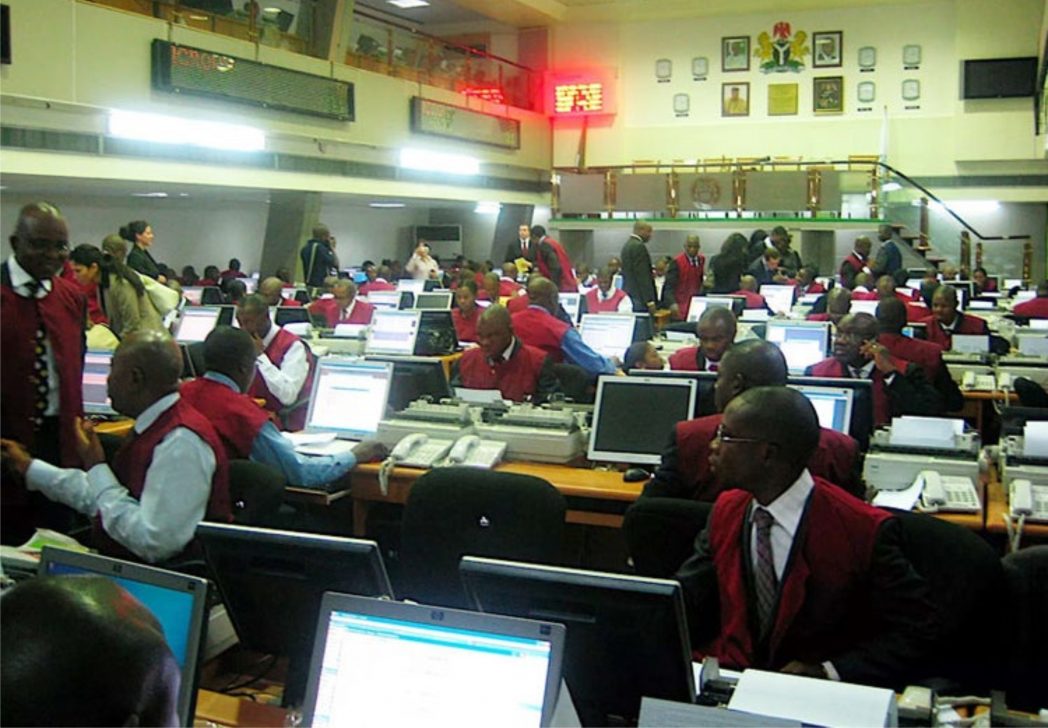
CSL Stockbrokers Limited, a subsidiary of FCMB Group Plc, has emerged as the new stockbroker to the Federal Government.
The appointment of the firm, as announced by the Debt Management Office (DMO) on February 18, 2020, followed an open competitive bidding process in which other stockbrokers participated.
With the appointment, CSL Stockbrokers now has the mandate to execute transactions of the Federal Government on the Nigeria Stock Exchange (NSE).
This includes posting bid and offer prices of government securities, supporting the DMO’s objective of promoting the trading of Federal Government securities on the Exchange and attracting more retail investors to the domestic capital market.
CSL Stockbrokers, rated as one of the top five stockbroking firms in Nigeria, provides institutional and corporate brokerage services to investors and select issuers. At the heart of the firm is a robust research platform that supports local and international investors who desire in-depth coverage of the Nigerian capital market and the economy.
In a statement, the DMO said as government stockbroker, CSL Stockbrokers is mandated to build upon the achievements already recorded by increasing the participation of retail investors in all Federal Government Securities, such as Bonds, Sukuk, Savings Bond and Green Bonds listed and trading on the NSE.
The DMO added that “the appointment of CSL as the government stockbroker is a further demonstration of the commitment of the DMO to the development of the domestic market, in particular, promoting liquidity, as well as, growing and diversifying the investor base’’.
Commenting on the appointment, the Chief Executive Officer of CSL Stockbrokers, Mr. Abiodun Fagbulu, described the development as another milestone in the commitment of the firm to be the investment management services provider of choice in sub-Saharan Africa, driven by deep market knowledge and global standard investment management expertise.
According to him, “CSL Stockbrokers consider this appointment as an opportunity to contribute to the growth and development of the domestic capital market in a way that is sustainable and profitable to investors’’.
Analysts are of the opinion that CSL Stockbrokers, which has over 30 years operating history in the capital market with consistent impressive performance, is well positioned to support the DMO, with regards to meeting the government’s financing needs in a prudent manner that supports economic development while proactively managing the associated risks.
CSL Stockbrokers Limited was established in 1977. It is a subsidiary of FCMB Group Plc, one of the leading financial services institutions in Nigeria with subsidiaries that are market leaders in their respective segments.
The group, which is listed in the prestigious NSE-30 Index in terms of market capitalisation and liquidity has consistently witnessed impressive performance and growth among all key indices, especially those around profitability, deposits, customer numbers and assets under management.



Business
Jonathan, Diri, Others Laud Firm’s Milestone in Bayelsa …Says Project Will Drive Industrialisation, Create Jobs



-

 News2 days ago
RSG Targets Nine Million Residents in Mosquito Net Distribution Campaign
-

 Oil & Energy2 days ago
Aiyedatiwa Signs New Electricity Bill
-

 Oil & Energy2 days ago
NLNG Commissions Research And Innovation Centre In RSU
-

 Maritime2 days ago
Marine Minister Commends President Tinubu On NPERA Bill Assent
-

 News2 days ago
KenPoly Holds Eight Convocations, August 29
-

 News2 days ago
RSG Begins Another Phase of Projects Commissioning Today
-

 News2 days ago
RMAFC Completes Revenue Sharing Review, Proposes New Pay
-

 Maritime2 days ago
NAGAFF Petitions IGP Over Alleged Maritime Police Harassment