
Business
FCTA, Others Chart Path To Organic Agriculture Practices

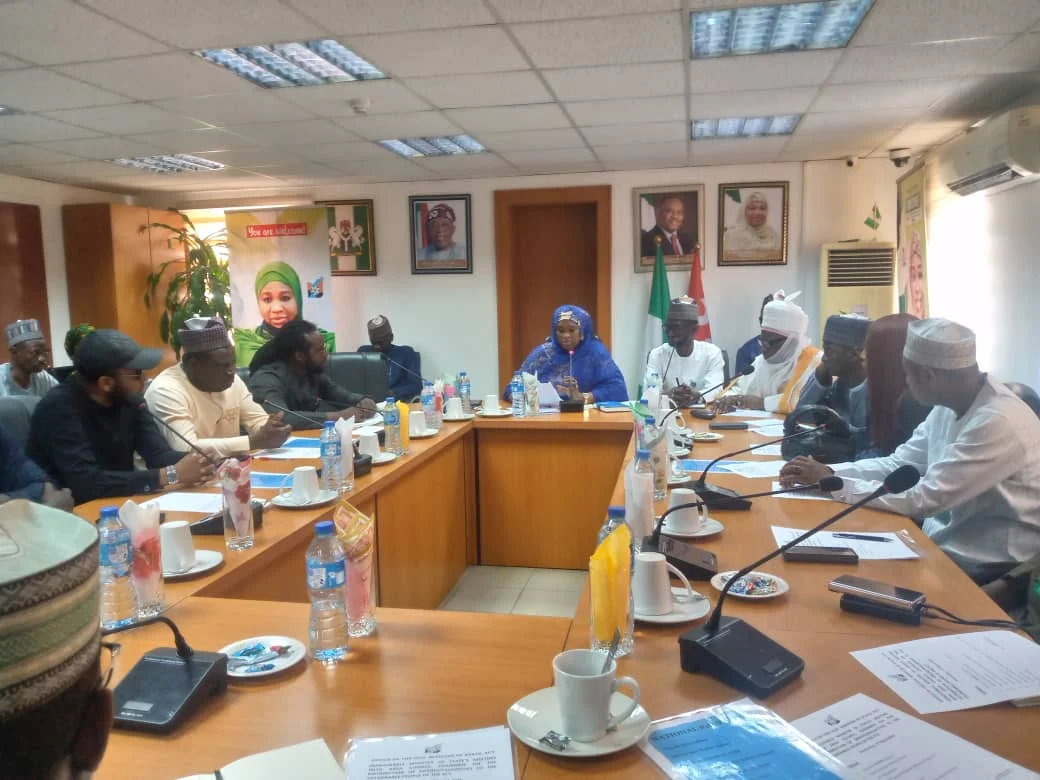
The Federal Capital Territory Administration (FCTA) and other stakeholders have charted path to improved organic agriculture practices nationwide.
At a 2024 national organic and agroecology business summit held recently in Abuja, stakeholders took turn to speak on the additional areas of promoting the practices.
The Mandate Secretary, FCT Agriculture and Rural Development Secretariat (ARDS), Lawan Geidam, advocated for sustainable practice to develop resilient food systems that will benefit people.
The event, with the theme,”Towards Policies for Upscaling Organic Agroecological Businesses in Nigeria”, is aimed at fostering growth in the organic agriculture sector.
Geidam, who was represented by the Acting Director, Agric Services, in the Secretariat, Mr. Ofili Bennett, emphasised the success of organic and agroecological farming, reling on the active involvement of farmers, businesses and consumers.
He reassured attendees that the FCT Administration, led by the Minister, Nyesom Wike, and Minister of State, Dr. Mariya Mahmoud, remains dedicated to supporting initiatives that enhance the livelihood of residents.
Geidam described the partnership between the Secretariat and the organic and Agroecology initiative for a monthly exhibition and sale of organic products in the FCTA premises as a testament to this commitment.
“The ARDS remains committed to driving policies and initiatives that align with national goals and global standards”, Geidam said.
On her part, the Chairperson of Organic and Agroecology Initiative, Mrs. Janet Igho, urged residents to embrace healthy eating habits to sustain a good lifestyle. She stressed the importance of adopting organic practices, highlighting the benefits of going organic, growing organic and consuming organic products.
Igho expressed her optimism regarding the Agricultural Revival Programmes as articulated in President Bola Ahmed Tinubu’s “Renewed Hope Agenda”, which aims at fostering food and nutrition security.
She also extended her gratitude to ARDS for graciously allocating a space in the FCTA premises for the exhibition and sale of organic products, noting that the platform has been effectively used to advance the promotion of organic agriculture in FCT.
Igho outlined several benefits of organic agriculture which includes improved soil health, increased biodiversity, availability nutritious and healthy food and a reduced carbon footprint.
Stakeholders at the summit, underscored the critical need for enhanced private sector involvement and robust capacity building initiatives for farmers.
They highlighted the importance of implementing supportive policies to foster the growth of the organic agriculture sector.
In the light of the significant challenges facing Nigeria’s agricultural landscape, stakeholders decided that organic agricultural practices present sustainable solutions and a pathway for a more resilient and productive farming systems.
The three-day summit featured exhibitions showcasing organic foods, fruits, vegetables and fertilizers, providing an opportunity for residents to better appreciate the benefits of production and consumption of organic agricultural products.



The Nigeria Inter-Bank Settlement System (NIBSS) has said that Bank Verification Number (BVN) enrolments rose by 6.8 per cent year-on-year to 67.8 million as at December 2025, up from 63.5 million recorded in the corresponding period of 2024.
In a statement published on its website, NIBSS attributed the growth to stronger policy enforcement by the Central Bank of Nigeria (CBN) and the expansion of diaspora enrolment initiatives.
NIBSS noted that the expansion reinforces the BVN system’s central role in Nigeria’s financial inclusion drive and digital identity framework.
Another major driver, the statement said, was the rollout of the Non-Resident Bank Verification Number (NRBVN) initiative, which allows Nigerians in the diaspora to obtain a BVN remotely without physical presence in the country.
A five-year analysis by NIBSS showed consistent growth in BVN enrolments, rising from 51.9 million in 2021 to 56.0 million in 2022, 60.1 million in 2023, 63.5 million in 2024 and 67.8 million by December 2025. The steady increase reflects stronger compliance with biometric identity requirements and improved coverage of the national banking identity system.
However, NIBSS noted that BVN enrolments still lag the total number of active bank accounts, which exceeded 320 million as of March 2025.
The gap, it explained, is largely due to multiple bank accounts linked to single BVNs, as well as customers yet to complete enrolment, despite the progress recorded.
-

 Sports2 days ago
Tinubu Lauds Super Eagles’ after AFCON bronze triumph
-

 Sports2 days ago
Fulham Manager Eager To Receive Iwobi, Others
-

 Sports2 days ago
AFCON: Lookman gives Nigeria third place
-

 Sports2 days ago
“Mikel’s Influence Prevent Some Players Invitation To S’Eagles Camp”
-

 News2 days ago
SERAP Sues Govs, FCT Minister Over Security Vote Spending
-

 Niger Delta2 days ago
INC Polls: Ogoriba Pledges To Continuously Stand For N’Delta Rights … Picks Presidential Form
-

 Editorial2 days ago
Beyond Accessing Bonny By Road
-

 Sports2 days ago
Man of The Match award Excites Nwabali