
Nation
Group demands appointment of Ekpeye people into NDDC …Berates oil multinational on security

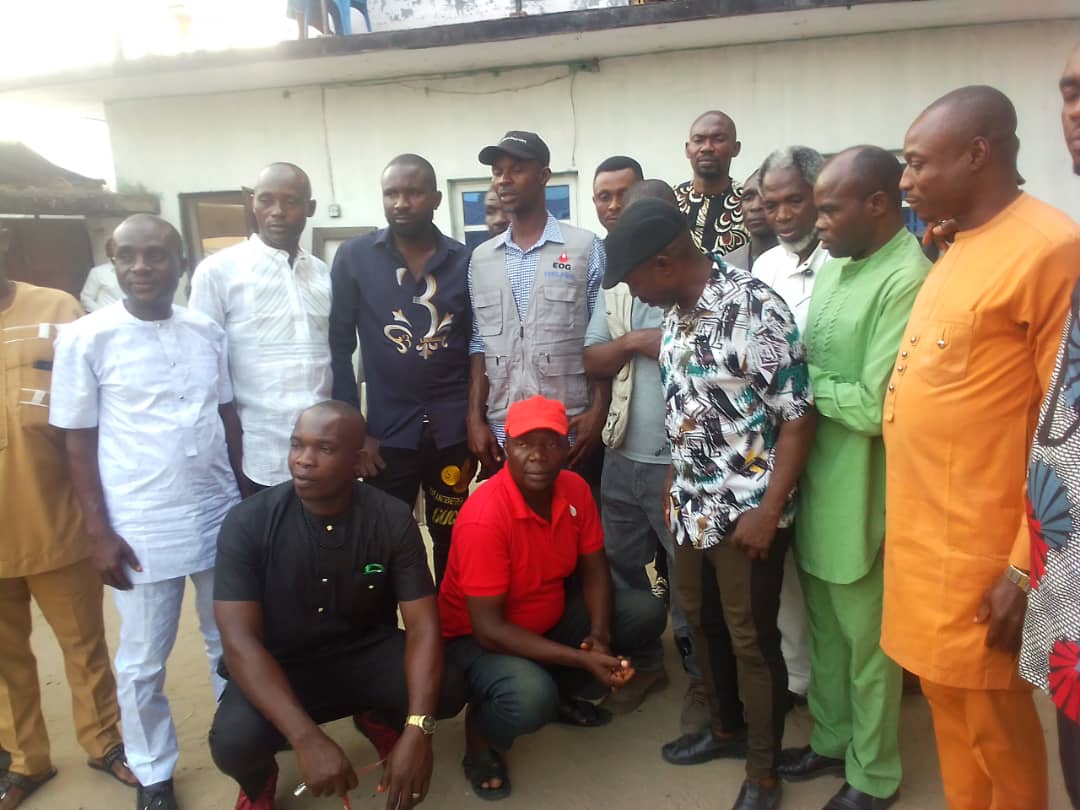
A group known as Ekpeye Oil and Gas (EOG) Pipelines Host Families Association has held it’s Annual Celebration and Sensitization Programme for the year, 2023 with a call for federal government to include ekpeye sons and daughters in to the Niger Delta Development Commission (NDDC)
The event which was held on Tuesday at the National Secretariat of the Association along Omoku Road in Ahaoda East local government area of Rivers State attracted the cream of personality from the Ekpeye kingdom
Speaking at the event, the National Chairman of the Organization- Comrade Dogini Chidi, noted that Ekpeye is one of the biggest contributors to the wealth of the Nation ,stressing that it host about Six Oil Multinationals with about Eight to Nine Licensed Oil Mining Fields.
He name some of the oil field being hosted in the area as OML 21, OML 22, OML 27, OML 28, OML 54, OML 58, OML 60, and OML 61. adding that Ekpeye Ethnic Nation also a host other major Crude Export Lines that holds the wealth of the Nation.
He wonder why the Ekpeyes are never considered for appointments or benefits noting that other groups are benefiting from juicy appointments than the Ekpeyes” the divide and rule tactics adopted by oil Multinationals was responsible for the unending crisis in the land, and has put the people down, and on a disadvantaged position.”
“As a way forward to having a better industrial relationship between Ekpeye people and the Oil Multinationals operating in the area, the Multinationals should give Ekpeye people the opportunity of being employed into various positions and be awarded contracts to, as rightly provided by the Local Content Act, to ameliorate their sufferings.”
The EOG National Chairman berated oil Multinationals on the for the underdevelopment of their Host Communities and lack of social infrastructures and other entitlements, especially, as contained in the Petroleum Industry Act (PIA) that has since been signed into law.
“The Multinationals being referred to here, includes the following: Shell Petroleum Development Company of Nigeria (SPDC), Total Energies, Nigeria Agip Oil Company (NAOC), Aradei Holdings Plc (Former Niger Delta Petroleum Resources), Nigeria Liquified Natural Gas (NLNG), Power gas Nigeria Limited and Chevron. ”
” Federal Government to consider an Ekpeye Son or Daughter for appointment into the NDDC Board, in view of the quantum of contribution Ekpeye Ethnic Nation has made to the National Earnings.
what is good for the Goose is also good for the Gander, and that it will be a disservice to the people if the Federal Government would continue to treat the Ekpeye people like a subservient group and second class citizens.”
Speaking further when asked about the issue of security concerns often raised by the Oil Multinationals, Comrade Dogini said, that was the purpose and essence of the sensitization; to continue to concientize the youths on the need to stay away from artesinal refining, illegal oil bunkering, pipeline vandalization, and other related vices.
The EOG Boss condemn the unwilling attitude of Oil Multinationals to supporting the Association in carrying out it’s Quarterly Sensitization Programmes. Expressing his chagrin dismay, the EOG Boss said, “I doubt the sincerity of the Companies to curb or end insecurity and Pipeline sabotage in our area. There are several evidences of our communication towards reducing insecurity, pipeline sabotage and oil theft in the land without meaningful response.
I strongly believe there are benefits that accrue to the IOCs by hoisting insecurity in their Host Communities in a bid to extract their Oil without meaningful development and benefit to the people; that must stop”.
He called on the Federal Government and other Regulatory Authorities to impress it upon the Multinational Oil Companies to support programmes aimed at ending insecurity, pipeline sabotage and oil theft in their Host Communities.
The EOG Boss used the opportunity to call on Oil surveillance Contractors to be Community friendly, noting that the “carrot and stick” approach remains a major challenges in the Host Communities.
used as cash cow and settlements for friends and cronies.
Other speakers who spoke at the event include Hon. Ibezhim Green Ogbuleka, Alhaji Abdulrazaak Philip Echeya, Dr. Captain Ogbuewe and Rt. Hon. (Engr) Mc Sunday Ugwu were of the opinion that non violent approach was the way to go in seeking for a better deal for the Ekpeye People.
By: Akujobi Amadi


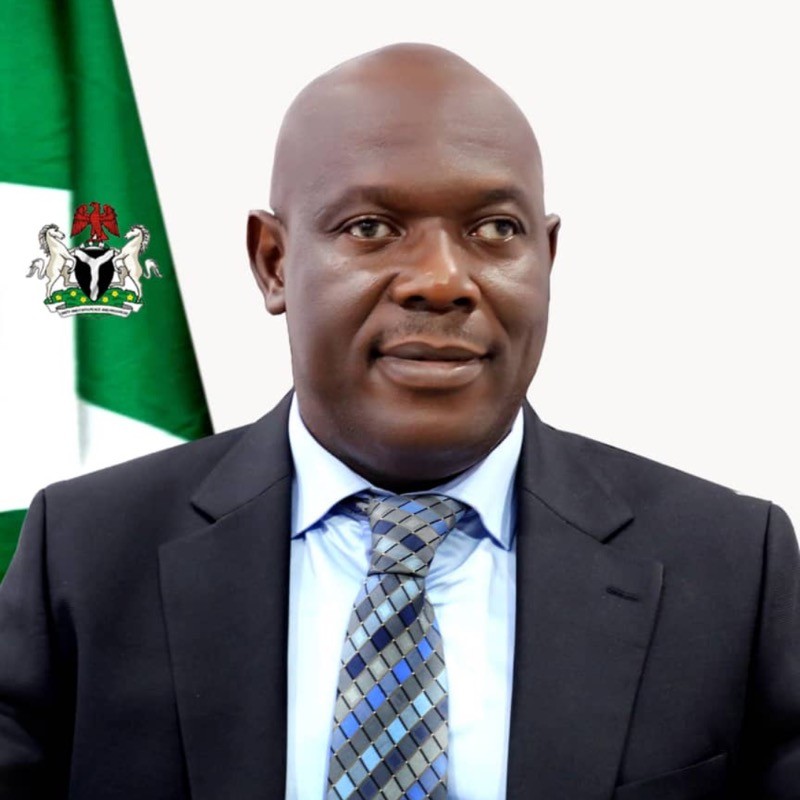
The Hydrocarbon Pollution Remediation Project (HYPREP) has announced that the mangrove wetlands in Ogoniland have been officially designated a Ramsar Site of International Importance by the Secretariat of the Ramsar Convention on Wetlands.
The designation, according to HYPREP, underscores the global ecological significance of Ogoniland’s mangrove wetlands and highlights ongoing restoration efforts aimed at addressing environmental degradation in the area.
In a press statement issued by the Project Coordinator of HYPREP, Prof Nenibarini Zabbey, the recognition was described as a major milestone for the agency, the people of Ogoni and other stakeholders working towards environmental restoration in the region.
Zabbey explained that the mangrove wetlands, which cover more than 31,700 hectares, consist of islands, tidal creeks, mudflats and mangrove forests that support a wide range of biodiversity. The ecosystem provides habitat for several species including fin fish, shellfish, crustaceans, crocodiles, turtles and the endangered grey parrot.
He noted that beyond biodiversity conservation, the wetland also provides essential ecosystem services such as fisheries production, flood control, water purification and carbon storage. According to him, the international recognition will further support local livelihoods, promote ecotourism and bring global attention to the region.
The HYPREP coordinator disclosed that the designation followed a meticulous process that began in 2024 when the project submitted a memorandum to the National Council on Environment seeking support for the recognition of the Ogoni wetlands as a Ramsar site.
Following the council’s review and approval, the Honourable Minister of Environment and Chairman of HYPREP’s Governing Council, Balarabe Abbas Lawal, formally wrote to the Ramsar Convention Secretariat requesting international recognition of the wetlands.
After a comprehensive ecological assessment, the Ramsar Secretariat granted the designation, officially recognising the Ogoniland wetlands as one of the world’s sites of international importance.
Zabbey said the recognition would strengthen ongoing environmental restoration efforts in the area and encourage stronger conservation measures and sustainable management of the wetlands for the benefit of present and future generations.
He added that the designation also fulfils a key recommendation of the United Nations Environment Programme (UNEP) Environmental Assessment Report on Ogoniland, marking another significant step in the implementation of the report’s recommendations.
The HYPREP project coordinator reaffirmed the agency’s commitment to restoring the Ogoni environment through the remediation of oil-polluted land, shorelines and mangrove ecosystems.
He also called for collective responsibility and stakeholder support to sustain the progress of the Ogoni cleanup programme and facilitate the development of a comprehensive and sustainable management plan for the Ogoni mangrove wetlands.

The Permanent Secretary, Rivers State Ministry of Social Welfare and Rehabilitation, Mrs Lauretta Davies-Dimkpa, has attributed the successes of the 12-day programme organised for adolescent girls aimed at eliminating Female Genital Mutilation(FGM) in some parts of the State to the ability of the respective stakeholders to take ownership of the programme.
Mrs Davies-Dimkpa, who dropped the hint in an interview at the end of the programme in Elele-Alimini Community in Emohua Local Government Area on Saturday, said the event had a buy-in component, an ownership mentality, whereby facilitators, staff, and everyone involved took ownership of the project.
She explained that the Rivers State Ministry of Social Welfare and Rehabilitation, in collaboration with the United Nations Children’s Fund (UNICEF) and the United Nations Population Fund (UNFPA) had packaged a series of training sessions for adolescent girls aimed at ending the practice of Female Genital Mutilation (FGM) in some communities across the State.
According to her, the initiative was designed to educate young girls on the harmful effects of the practice and empower them to become advocates against it within their communities.
She noted that the programme, which lasted for several weeks, targeted adolescent girls from different local government areas where the practice is still prevalent, stressing that
data collected by UNICEF and the Ministry revealed that Female Genital Mutilation is still practised in some parts of the State, prompting the need for intensified sensitisation and community engagement.
Mrs Davies-Dimkpa explained that the programme adopted a “train-the-trainer” approach where adolescent girls were educated on the dangers of the practice and encouraged to share the knowledge with their peers, families and communities.
“This is a programme by the Rivers State Ministry of Social Welfare and Rehabilitation with support from UNICEF and UNFPA to train adolescent girls towards ending Female Genital Mutilation, which is still practised in some local government areas,” she said.
She further explained that each participating local government area had a three-day training session, with the exercise running for a total of 12 days.
The local government areas, where the programme took place, she noted, included Ahoada West, Abua-Odual, and Emohua, adding that the initiative is part of broader efforts by the state government and development partners to eliminate harmful traditional practices and protect the rights and wellbeing of girls.
She revealed that prior to the training of the adolescent girls, the Ministry and its partners had also engaged community facilitators, including older women and men, to sensitise them on the dangers associated with Female Genital Mutilation.
According to her, the involvement of community leaders and adults is essential in addressing the cultural and social factors that sustain the practice.
Speaking on the response of the participants, the permanent secretary expressed satisfaction with the level of engagement and enthusiasm shown by the girls throughout the training sessions.
She noted that many of the participants said they were learning about the harmful effects of Female Genital Mutilation for the first time.
“The girls are between the ages of 12 and 17 and from the interactions we had with them, they were very excited. Some of them are hearing these things for the first time and never knew that the practice is harmful,” she said.
She expressed optimism that the knowledge gained from the training would enable the girls to serve as advocates for change within their communities.
She added that the Rivers State Government, alongside its partners, would continue to intensify efforts and expand community-based interventions aimed at ending the practice across the State.
Meanwhile, the participants for Emohua Local Government Area were drawn from Elele-Alimini, Egbeda, Rumuji, Ibaa, Rumuekpe, Rumuakunde, Eligbarada, and Ogbakiri Communities.
The participants,who spoke in separate interviews described the training as eye-opening, noting that it helped them better understand issues surrounding adolescent health, personal hygiene, reproductive health, and the harmful consequences of Female Genital Mutilation.
Favour Azukwu from Rumuekpe community, said the programme provided a deeper understanding of the dangers associated with the practice, particularly its impact on the health and wellbeing of girls and women.
She explained that the training sessions exposed participants to the medical, social and psychological effects of Female Genital Mutilation, including severe bleeding, infections and complications during childbirth.
She revealed that she personally experienced the practice at the age of 12 and suffered heavy bleeding afterwards, an experience that has strengthened her determination to advocate for its eradication.
According to her, many communities still practise Female Genital Mutilation because it is perceived as a cultural tradition, despite the dangers associated with it.
“I do not support Female Genital Mutilation because there are many dangers involved. I experienced severe bleeding when it was done to me as a child.
Another participant, Glory Ken, a 16-year-old secondary school student from Rumuji community, said the programme broadened her understanding of several important topics affecting adolescents.
She explained that beyond the discussion on Female Genital Mutilation, the training also focused on issues such as personal hygiene, reproductive health, peer education, and self-care.
According to her, the sessions helped participants understand the importance of making informed health decisions and supporting one another as peer educators.
“I learned about many things that affect young people in society and how to take care of myself. I also learned that Female Genital Mutilation is harmful to our health. The message I am taking back to my community is that this practice should stop,” she said.
Also speaking, Goodness Kenjika Nyeche described the programme as very impactful.
She noted that the training equipped participants with the skills and confidence to educate others about the harmful effects of Female Genital Mutilation.
She said she plans to organise sensitisation among adolescents in her community, particularly girls between the ages of 10 and 19, to ensure they understand the dangers associated with the practice.
“I learned many things from this programme and I feel very good about it. I will educate other young girls in my community and help them understand why Female Genital Mutilation should not continue,” she said.
For Queen Dike from Ibaa community, the programme helped clarify misconceptions surrounding the practice.
She explained that in some communities, the practice is still referred to as circumcision and is viewed as part of cultural identity.
She said the training helped participants understand that Female Genital Mutilation involves the cutting or removal of parts of the female genital organs and that it has serious health consequences.
She stressed that awareness and education are key to ending the practice, especially among communities that continue to uphold it as tradition.
“I think the programme is very helpful because many people still believe it is part of culture. More awareness is needed so people can understand why it should stop,” she said.
Another participant, MyJoy Echika Amadi, said the programme provided critical information about adolescent health and the dangers associated with Female Genital Mutilation.
She described the initiative as enlightening and said it encouraged young people to become advocates for change in their communities.
According to her, participants were encouraged to use various platforms such as churches, peer groups, schools and community gatherings to spread awareness about the harmful effects of the practice.
“This programme has enlightened us about the dangers of Female Genital Mutilation. I will do my best to create awareness in my community and encourage people to stop the practice,” she said.
Many of the participants emphasised that the knowledge gained during the programme has empowered them to challenge harmful traditions and promote healthier practices among young people.
They also called on the Rivers State Government, development partners and civil society organisations to sustain the sensitisation campaigns and extend the training to more communities across the State.
According to them, empowering young people with the right information will play a critical role in eliminating Female Genital Mutilation and protecting the rights, health and dignity of girls in Rivers State.
The participants expressed appreciation to the Rivers State Ministry of Social Welfare and Rehabilitation, UNICEF and UNFPA for organising the programme and for investing in the wellbeing and future of adolescent girls in the State.

-

 News2 days ago
Navy Destroys Illegal Refinery In Rivers, Intercepts Stolen Fuel In C’ River
-

 News2 days ago
You’re The Backbone Of Our Society, Fubara Salutes Mothers On Mothering Sunday
-

 Rivers2 days ago
County Grammar School Old Boys Elect New Executive
-

 Environment2 days ago
Illegal Buildings On Embassies’ Land Will Be Demolished – Wike
-

 Politics2 days ago
HUNDREDS OF LATE BAYELSA DEP GOV’S KINSMEN DUMP PDP FOR APC
-

 Politics2 days ago
A’Court Voids Rep’s Sack Over Defection To APC
-

 Politics2 days ago
You’re Misleading Nigerians, APC Slams ADC Over Poverty Rate Report
-

 Niger Delta2 days ago
Lawyer X-rays Consequences Of Court Injuction Suspending INC Polls … As Diri Intervenes