
Nation
FG Releases N24bn Conditional GrantsTo 23 States, FCT

The Senior Special Assistant (SSA) to the President on Sustainable Development Goals (SDGs), Mrs Adejoke Orelope-Adefulire, has disclosed that 23 states of the Federation and the Federal Capital Territory (FCT) have received N24,450,000,000.00 from the Conditional Grant Schemes.
The SSA on SDGs, who was the guest of the Ministerial Media Briefing organised by the Presidential Communications Team at the Presidential Villa, Abuja, yesterday, explained that the funds are incentive to states to invest more of their resources into areas of national development priorities and the Millennium Development Goals (MDGs)/Sustainable Development Goals (SDGs).
She explained that the fund, which has been disbursed since 2015, was established in 2007 with a 50per cent matching grant from the Federal Government and a 50per cent matching grant from the participating states.
She added that the grants were targeted at education, health, water and sanitation projects “and aimed at executing pro-poor projects in a consultative manner with the beneficiaries.”
Orelope-Adefulire stressed that the money was spent on the implementation of 732 water and sanitation facilities; 494 health facilities (new facilities and renovation/rehabilitation); 616 education facilities (new construction, renovation/rehabilitation of block of classrooms; 1,150 women and men were empowered/trained in vocational skills, such as sewing, knitting, detergent & pomade making etc).
The SDGs chief stated that special intervention projects were being implemented across the geopolitical zones, an initiative she stated was aimed at strategic investment to accelerate the achievement of the SDGs in Nigeria.
She explained that: “Between 2016 and 2021, a record number of projects have been implemented, aimed at providing essential services to accelerate the achievement of the SDGs, by ensuring no Nigerian is left behind.
“In the education sector, 8,008 classrooms were constructed and 305 renovated with furnishing to strengthen basic education across the country.
“A total of 4,845 Desktop and Laptop Computers have also been supplied to schools across the country for Information and Communication Technology (ICT) training.
“In the health sector, 195 Health Centres, comprising Primary Healthcare Centres (PHC) and Mother and Child Centres (MCC) were constructed, complemented with the supply of 199 Intensive Care and Rural ambulances. About 257 incubators and 7,464 regular and automated hospital beds were supplied across tour health facilities.
“In other cross-cutting sectors, OSSAP-SDGs constructed 66 Vocational and Skills Acquisition Centres; supplied 1,294 transformers; provision of 19,266 solar-powered streetlights; 300 Housing units for internally displaced persons (IDP) in Borno State; and 925 Solar Boreholes, in addition to several other interventions.”
Orelope-Adefulire also discussed some findings from Nigeria’s 2nd Voluntary National Review (VNR) 2020 on SDG-3, indicating that while the country faces challenges in health outcomes, such as high rates of maternal mortality, there has been a significant reduction in under-five mortality rates (from 157 to 132).
According to her, the review highlighted the need for more investment in public health and to ensure the most vulnerable are reached through universal access to basic healthcare services.
The SDGs boss also explains that: “On SDG-4, a key challenge confronting the country has to do with Out-of- School-Children, a demographic challenge that relates to an interplay between employment (SDG-8), education (SDG-4), poverty (SDG-1) and the digital economy (SDG-17). With a population of approximately 200million people, regional disparities are significant.
“On SDG-8, Nigeria’s informal economy is one of the largest on the continent – estimated at 53percent of the labour force and accounting for 65percent of GDP. It is estimated that 75percent of all new jobs are informal. Ensuring youth are well-trained and able to transition to productive employment through the digital economy can help reduce poverty and help diversify growth away from oil and gas.
“In addition, the Nigerian government can dramatically shift to digitization and strengthen its transition to e-government to facilitate its social protection to the poor and vulnerable population.”
In response to SDG 1: Ending Poverty in All Its Forms, Reducing Poverty, and Sharing Prosperity, she stated that the federal government maintained consistent investment in health, education, and other social services between 2015 and 2018, saying “because investments in these areas are essential and integral to addressing poverty.
“With about 10.8million out-of-school children and more people drifting into poverty, Nigeria’s expenditure on education just about 8.6per cent in 2015 and witnessed a steady decline to 8.2, 8.5 and 8.2per cent in 2016, 2017 and 2018.
“This was largely due to the 2016 economic recession and the decline in global oil prices and COVID-19 pandemic,” she said.
On Goal 2 of Zero Hunger, the Orelope-Adefulire stated: “Findings from the baseline showed that the prevalence of undernourishment in 2016 for stunting, moderate stunting and severe stunting were 32.9per cent, 20.4per cent and 12.5per cent, respectively, while in 2019 the report indicated 32per cent stunting, and 21.2 and 10.8per cent for moderate and severe stunting, respectively.
“Thus, we had a modest decrease in severe stunting.”
On Goal 3, which is Ensure Healthy Lives and Promote Well-Being for all at all ages, she said the summary of the baseline indicated that the rate of under-five mortality rate (meaning that for any child born in a specified year to survive before reaching the age of 5) per 1,000 live births in 2016 was 128/1,000 live births but had reduced significantly to 100 in both 2018 and 2019.
“However, the population of Nigerians covered by the National Health Insurance Scheme (NHIS) for a better quality of life via the removal of financial barriers increased from 634,154 for males and 266, 618 for females in 2016 to about 781,057 for males and 332,742 for females – an increase of about 26per cent national coverage,” she stated.
For Goal 4, she affirmed that the participation rate of youth and adults in formal and non-formal education and training in the previous 12 months increased from 4.97per cent in 2016 to 5.38 in both 2017 and 2018 while for Goal 8, Nigeria faced economic challenges, which was a fall out of global oil price crash and insufficient foreign exchange earnings to achieve balance of trade.
Notwithstanding, Orelope-Adefulire, said, this was increased from -1.6per cent in 2016 to 0.82per cent in 2017 with an annual per capita at -17.31per cent and was subsequently increased to 1.91per cent in 2018 and 2.27per cent in 2019 with its per capita GDP growth of 1.22per cent in 2019.
On reducing inequality within and among countries under Goal 10, she pointed out that in 2016, the labour share of GDP was 25.17per cent, and witnessed a steady increase to 26.06per cent and 26.61per cent in 2017 & 2019.
“With the successful realignment of the National Statistical System (NSS) with the indicators of the SDGs in December 2021, going forward, we will be able to track and report on the SDGs on annual basis – every December through the National Bureau of Statistics. Nigeria is now the first country in Africa to have successfully re-aligned its National Statistical System,” she declared.
According to the SDGs boss, “The Nigerian government has demonstrated strong commitment towards the 2030 Agenda for sustainable development and the SDGs. Institutional Frameworks have been established at the national and sub-national levels to support the effective implementation of the SDGs. Thus, Nigeria is leading in the institutionalisation of the SDGs.
“The SDGs cannot be achieved with stand-alone programmes and projects. They must be carefully integrated into national and sub-national policies and development plans. Currently, we have integrated the SDGs into Nigeria’s National Development Plan (2021-2025) and we presently supporting 16 states to develop SDG-Based Development Plans.
“It is our hope that all 36 states and the FCT will eventually develop SDG-Compliant-Development Plans. This is our approach to Mainstreaming, Acceleration and Policy Support (MAPS).
“Robust Monitoring and Tracking Systems have been designed to ensure effective tracking of interventions using computer-assisted software. We are committed to conducting Voluntary National Reviews every two years for presentation to the United Nations High-Level Political Forum (HLPF).
“To ‘Leave no one behind’, we need the expertise and resources of all – public and private sectors; UN Development System; donor community; academia and the wider Civil Society and concerned citizens.”


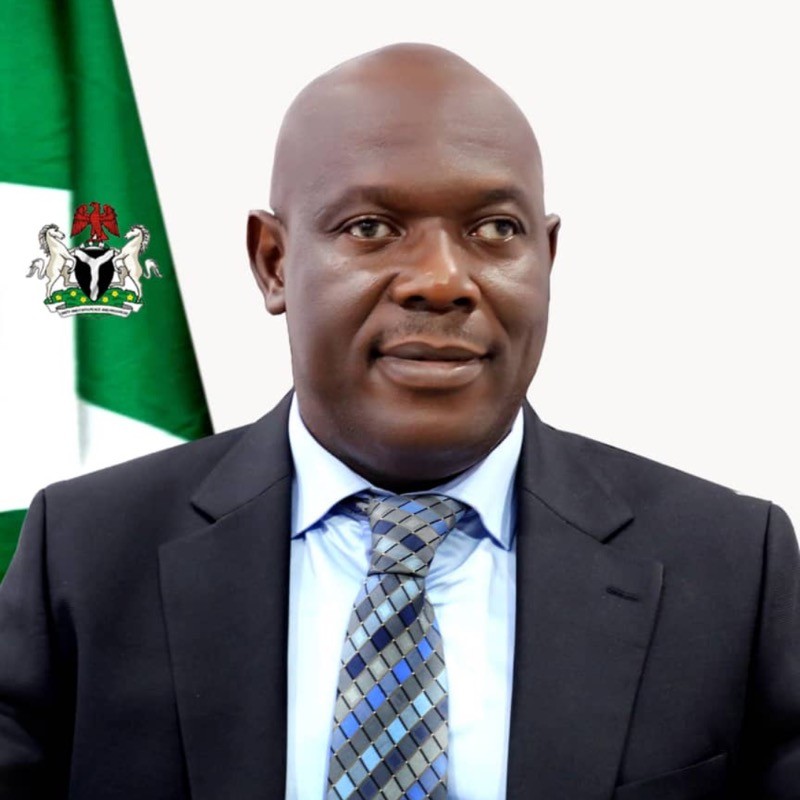
The Hydrocarbon Pollution Remediation Project (HYPREP) has announced that the mangrove wetlands in Ogoniland have been officially designated a Ramsar Site of International Importance by the Secretariat of the Ramsar Convention on Wetlands.
The designation, according to HYPREP, underscores the global ecological significance of Ogoniland’s mangrove wetlands and highlights ongoing restoration efforts aimed at addressing environmental degradation in the area.
In a press statement issued by the Project Coordinator of HYPREP, Prof Nenibarini Zabbey, the recognition was described as a major milestone for the agency, the people of Ogoni and other stakeholders working towards environmental restoration in the region.
Zabbey explained that the mangrove wetlands, which cover more than 31,700 hectares, consist of islands, tidal creeks, mudflats and mangrove forests that support a wide range of biodiversity. The ecosystem provides habitat for several species including fin fish, shellfish, crustaceans, crocodiles, turtles and the endangered grey parrot.
He noted that beyond biodiversity conservation, the wetland also provides essential ecosystem services such as fisheries production, flood control, water purification and carbon storage. According to him, the international recognition will further support local livelihoods, promote ecotourism and bring global attention to the region.
The HYPREP coordinator disclosed that the designation followed a meticulous process that began in 2024 when the project submitted a memorandum to the National Council on Environment seeking support for the recognition of the Ogoni wetlands as a Ramsar site.
Following the council’s review and approval, the Honourable Minister of Environment and Chairman of HYPREP’s Governing Council, Balarabe Abbas Lawal, formally wrote to the Ramsar Convention Secretariat requesting international recognition of the wetlands.
After a comprehensive ecological assessment, the Ramsar Secretariat granted the designation, officially recognising the Ogoniland wetlands as one of the world’s sites of international importance.
Zabbey said the recognition would strengthen ongoing environmental restoration efforts in the area and encourage stronger conservation measures and sustainable management of the wetlands for the benefit of present and future generations.
He added that the designation also fulfils a key recommendation of the United Nations Environment Programme (UNEP) Environmental Assessment Report on Ogoniland, marking another significant step in the implementation of the report’s recommendations.
The HYPREP project coordinator reaffirmed the agency’s commitment to restoring the Ogoni environment through the remediation of oil-polluted land, shorelines and mangrove ecosystems.
He also called for collective responsibility and stakeholder support to sustain the progress of the Ogoni cleanup programme and facilitate the development of a comprehensive and sustainable management plan for the Ogoni mangrove wetlands.

The Permanent Secretary, Rivers State Ministry of Social Welfare and Rehabilitation, Mrs Lauretta Davies-Dimkpa, has attributed the successes of the 12-day programme organised for adolescent girls aimed at eliminating Female Genital Mutilation(FGM) in some parts of the State to the ability of the respective stakeholders to take ownership of the programme.
Mrs Davies-Dimkpa, who dropped the hint in an interview at the end of the programme in Elele-Alimini Community in Emohua Local Government Area on Saturday, said the event had a buy-in component, an ownership mentality, whereby facilitators, staff, and everyone involved took ownership of the project.
She explained that the Rivers State Ministry of Social Welfare and Rehabilitation, in collaboration with the United Nations Children’s Fund (UNICEF) and the United Nations Population Fund (UNFPA) had packaged a series of training sessions for adolescent girls aimed at ending the practice of Female Genital Mutilation (FGM) in some communities across the State.
According to her, the initiative was designed to educate young girls on the harmful effects of the practice and empower them to become advocates against it within their communities.
She noted that the programme, which lasted for several weeks, targeted adolescent girls from different local government areas where the practice is still prevalent, stressing that
data collected by UNICEF and the Ministry revealed that Female Genital Mutilation is still practised in some parts of the State, prompting the need for intensified sensitisation and community engagement.
Mrs Davies-Dimkpa explained that the programme adopted a “train-the-trainer” approach where adolescent girls were educated on the dangers of the practice and encouraged to share the knowledge with their peers, families and communities.
“This is a programme by the Rivers State Ministry of Social Welfare and Rehabilitation with support from UNICEF and UNFPA to train adolescent girls towards ending Female Genital Mutilation, which is still practised in some local government areas,” she said.
She further explained that each participating local government area had a three-day training session, with the exercise running for a total of 12 days.
The local government areas, where the programme took place, she noted, included Ahoada West, Abua-Odual, and Emohua, adding that the initiative is part of broader efforts by the state government and development partners to eliminate harmful traditional practices and protect the rights and wellbeing of girls.
She revealed that prior to the training of the adolescent girls, the Ministry and its partners had also engaged community facilitators, including older women and men, to sensitise them on the dangers associated with Female Genital Mutilation.
According to her, the involvement of community leaders and adults is essential in addressing the cultural and social factors that sustain the practice.
Speaking on the response of the participants, the permanent secretary expressed satisfaction with the level of engagement and enthusiasm shown by the girls throughout the training sessions.
She noted that many of the participants said they were learning about the harmful effects of Female Genital Mutilation for the first time.
“The girls are between the ages of 12 and 17 and from the interactions we had with them, they were very excited. Some of them are hearing these things for the first time and never knew that the practice is harmful,” she said.
She expressed optimism that the knowledge gained from the training would enable the girls to serve as advocates for change within their communities.
She added that the Rivers State Government, alongside its partners, would continue to intensify efforts and expand community-based interventions aimed at ending the practice across the State.
Meanwhile, the participants for Emohua Local Government Area were drawn from Elele-Alimini, Egbeda, Rumuji, Ibaa, Rumuekpe, Rumuakunde, Eligbarada, and Ogbakiri Communities.
The participants,who spoke in separate interviews described the training as eye-opening, noting that it helped them better understand issues surrounding adolescent health, personal hygiene, reproductive health, and the harmful consequences of Female Genital Mutilation.
Favour Azukwu from Rumuekpe community, said the programme provided a deeper understanding of the dangers associated with the practice, particularly its impact on the health and wellbeing of girls and women.
She explained that the training sessions exposed participants to the medical, social and psychological effects of Female Genital Mutilation, including severe bleeding, infections and complications during childbirth.
She revealed that she personally experienced the practice at the age of 12 and suffered heavy bleeding afterwards, an experience that has strengthened her determination to advocate for its eradication.
According to her, many communities still practise Female Genital Mutilation because it is perceived as a cultural tradition, despite the dangers associated with it.
“I do not support Female Genital Mutilation because there are many dangers involved. I experienced severe bleeding when it was done to me as a child.
Another participant, Glory Ken, a 16-year-old secondary school student from Rumuji community, said the programme broadened her understanding of several important topics affecting adolescents.
She explained that beyond the discussion on Female Genital Mutilation, the training also focused on issues such as personal hygiene, reproductive health, peer education, and self-care.
According to her, the sessions helped participants understand the importance of making informed health decisions and supporting one another as peer educators.
“I learned about many things that affect young people in society and how to take care of myself. I also learned that Female Genital Mutilation is harmful to our health. The message I am taking back to my community is that this practice should stop,” she said.
Also speaking, Goodness Kenjika Nyeche described the programme as very impactful.
She noted that the training equipped participants with the skills and confidence to educate others about the harmful effects of Female Genital Mutilation.
She said she plans to organise sensitisation among adolescents in her community, particularly girls between the ages of 10 and 19, to ensure they understand the dangers associated with the practice.
“I learned many things from this programme and I feel very good about it. I will educate other young girls in my community and help them understand why Female Genital Mutilation should not continue,” she said.
For Queen Dike from Ibaa community, the programme helped clarify misconceptions surrounding the practice.
She explained that in some communities, the practice is still referred to as circumcision and is viewed as part of cultural identity.
She said the training helped participants understand that Female Genital Mutilation involves the cutting or removal of parts of the female genital organs and that it has serious health consequences.
She stressed that awareness and education are key to ending the practice, especially among communities that continue to uphold it as tradition.
“I think the programme is very helpful because many people still believe it is part of culture. More awareness is needed so people can understand why it should stop,” she said.
Another participant, MyJoy Echika Amadi, said the programme provided critical information about adolescent health and the dangers associated with Female Genital Mutilation.
She described the initiative as enlightening and said it encouraged young people to become advocates for change in their communities.
According to her, participants were encouraged to use various platforms such as churches, peer groups, schools and community gatherings to spread awareness about the harmful effects of the practice.
“This programme has enlightened us about the dangers of Female Genital Mutilation. I will do my best to create awareness in my community and encourage people to stop the practice,” she said.
Many of the participants emphasised that the knowledge gained during the programme has empowered them to challenge harmful traditions and promote healthier practices among young people.
They also called on the Rivers State Government, development partners and civil society organisations to sustain the sensitisation campaigns and extend the training to more communities across the State.
According to them, empowering young people with the right information will play a critical role in eliminating Female Genital Mutilation and protecting the rights, health and dignity of girls in Rivers State.
The participants expressed appreciation to the Rivers State Ministry of Social Welfare and Rehabilitation, UNICEF and UNFPA for organising the programme and for investing in the wellbeing and future of adolescent girls in the State.

-

 News15 hours ago
Navy Destroys Illegal Refinery In Rivers, Intercepts Stolen Fuel In C’ River
-

 News15 hours ago
You’re The Backbone Of Our Society, Fubara Salutes Mothers On Mothering Sunday
-

 Rivers11 hours ago
County Grammar School Old Boys Elect New Executive
-

 Environment12 hours ago
Illegal Buildings On Embassies’ Land Will Be Demolished – Wike
-

 News15 hours ago
ODU PLEDGES PARTNERSHIP WITH WACCIMA TO ADVANCE WOMEN’S ECONOMIC EMPOWERMENT
-

 Business13 hours ago
Wema Bank Admits 10 Startups into Hackaholics 2026
-

 News15 hours ago
RSNC To Partner Wikimedia In Documenting N’Delta
-

 Politics12 hours ago
HUNDREDS OF LATE BAYELSA DEP GOV’S KINSMEN DUMP PDP FOR APC