
Business
Remittances: Senate Accuses NNPC, CBN, Others Of Underpayment

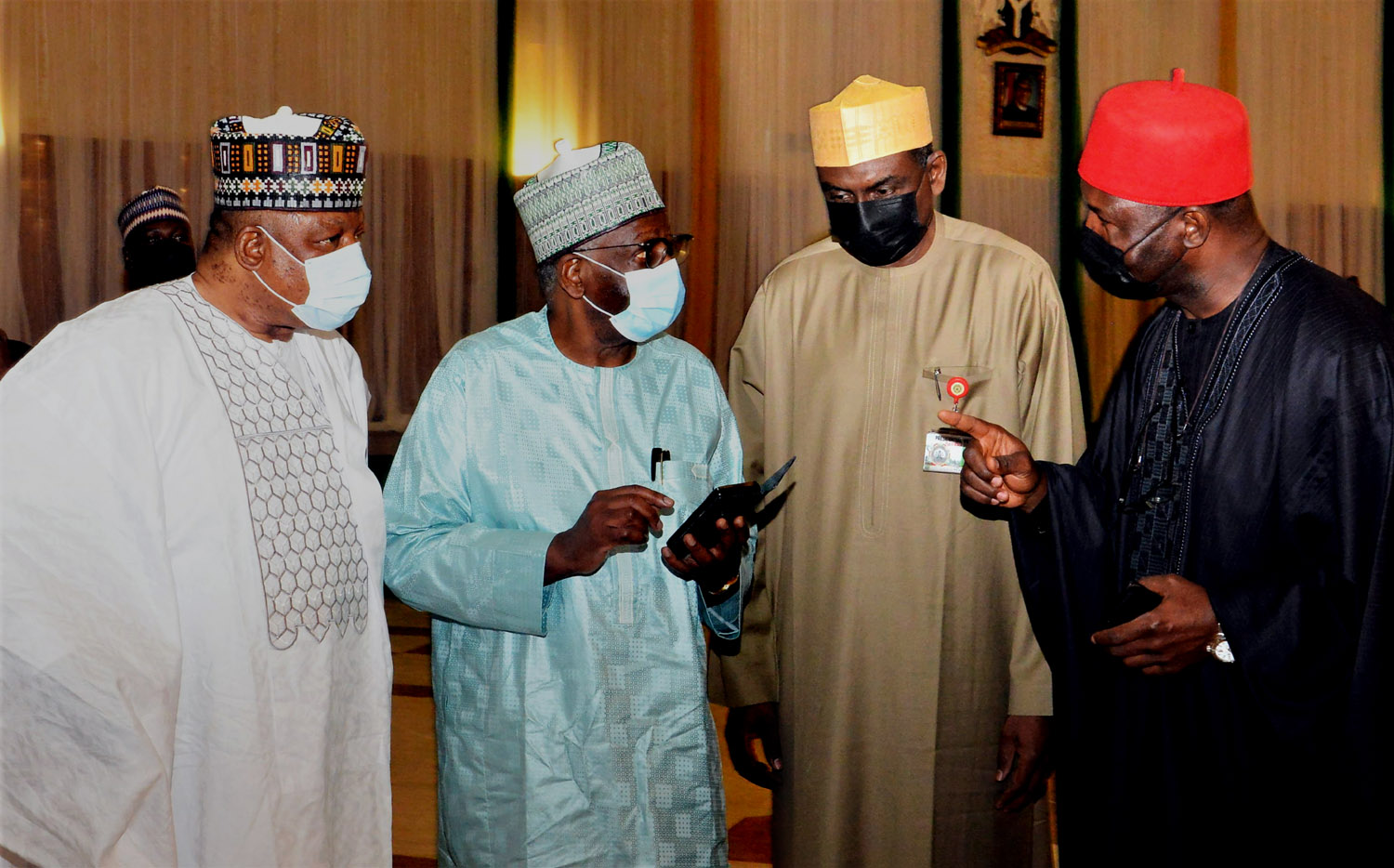
The Senate has accused government owned enterprises of worsening the current dwindling revenues in the country by engaging in spending spree instead of remitting the appropriate funds into the federation account.
The Chairman of the Senate Committee on Finance, Senator Solomon Adeola, made the accusation on Wednesday at a public hearing on the 2022-2024 Medium Term Expenditure and Fiscal Strategy Paper organised by his panel.
Adeola noted with concern that big spenders like the Central Bank of Nigeria, and the Nigerian National Petroleum Corporation among others had yet to remit their operational surplus to the consolidated revenue fund account over the years.
He said: “In budgeting, some revenue generating agencies spend their revenue hiding under the disguise that what accrued to them is not enough for them to carry out their functions.
“From the preliminary investigation carried out by this committee, our findings are not palatable at all. A lot of heads of agencies have taken over the agencies as their personal property.
“They have decided to embark on a spending spree with nobody challenging them.
“Out of the 60 Government Owned Enterprises, I can conveniently say that agencies like the NNPC, I don’t know when last they contributed from their excess revenue into the Consolidated Revenue Fund, except recently when they declared profit.
“The Central Bank of Nigeria, out of an average budget of about N2.3 trillion a year, it is expected that at the end of every financial year, whatever accrues to you as excess revenue, a certain portion of it must be paid into the Consolidated Revenue Fund. As we speak, within the last five to six years, CBN has not contributed anything.”
The Deputy Governor of the CBN, in charge of Economic Policy, Dr. Kingsley Obiora, who represented Godwin Emefiele at the session, disagreed with the assertion of the Senate Committee chairman.
Obiora said: “I just want to, with due respect and deep reverence, categorically say that the allegation that the CBN has not remitted surpluses in any year, let alone the last five years, is 100 per cent not correct.
“We have in the last five years remitted our surpluses in accordance with the law.
“As responsible government agency, we follow the Fiscal Responsibility Act and we do remit 80 per cent of our surpluses every year.”
The Chairman of the committee directed the CBN to produce documentary evidence of its remittances within the last five years unfailingly, Friday.
He also told the apex bank to produce its audited account in the last five years as well as its position paper on monetary policy.
There was a mild drama when the Comptroller General of the Nigerian Customs Service, Colonial Hameed Ali (rtd.), expressed frustrations over the inability of his agency to raise enough revenue from tariff on import.
He therefore solicited the support of the federal lawmakers to empower the NCS through appropriate legislation to impose excise duty on carbonated drinks.
But the senators disagreed with Ali’s proposal and maintained that such action could lead to the total collapse of the manufacturing companies which were currently struggling to survive the harsh economic situation in the country.



-

 Niger Delta16 hours ago
Diri Restates Stance On Lagos-Calabar Coastal Highway
-

 Niger Delta16 hours ago
C’River, NUJ Pay Tribute To Late Guardian Editor
-

 News17 hours ago
NDLEA Recovers Tons Of Illicit Drug Consignments In Nine States
-

 Opinion15 hours ago
Checking Voter Apathy In Nigeria’s Electoral Process
-

 Sports13 hours ago
Nigerian Trio Target Titles At PFL Africa Finals
-

 Education13 hours ago
FCE Yola Graduates 3,555 Teachers , Seeks Upgrade to University
-

 Politics13 hours ago
2027: DICKSON’S EX-ALLY VOWS TO WORK AGAINST NDC INTEREST IN BAYELSA
-

 Politics13 hours ago
2027: GROUP PLEDGES 40,000 SUPPORTERS FOR COALITION CANDIDATES IN RIVERS