
News
INEC Demands Election Expenditure Report From Parties

The Independent National Electoral Commission (INEC) has again reminded political parties to furnish the commission with their election expenses and contribution reports in line with the provisions of the Electoral Act 2010 (as amended).
The commission noted that only seven out of 14 political parties that participated in the Edo State governorship election had complied, while only eight out of 17 that participated in Ondo State governorship met the demand.
The INEC Chairman, Prof Mahmood Yakubu, gave the reminder in his remarks during the quarterly meeting between the commission and political parties.
According to him, “may I also draw your attention to your obligation under Sections 92 (3) and 93(4) of the Electoral Act 2010 (as amended) which require political parties to submit to the commission their election expenses reports within six months and election contribution report within three months after the declarations of result of an election.
“We have reminded political parties of these obligations in respect of the Edo and Ondo governorship elections held last year. However, only seven out of 14 political parties have responded in the case of Edo State and 7 out of 17 for Ondo State. We wish to remind political parties of the consequences of the failure to do so as enshrined in the Electoral Act. We therefore expect all defaulting parties to comply in earnest as you prepare for forthcoming elections.”
INEC also frowned at the inability of the parties to conduct rancor-free primaries to elect their candidates for elections, adding that the commission was pained that party candidates are now determined by judgment of courts after winners of elections have been announced.
“The commission is not happy that candidates for elections are now being determined through litigation long after elections have been concluded and winners declared by INEC. The problem lies squarely with the conduct of party primaries and nomination of candidates by some political parties. We urge you to hold yourselves to the same high standard of free, fair, and credible elections that you hold INEC in all elections,” Yakubu said.
According to him, “at our last meeting held on February 5, 2021, the main subject matter was our proposal to address the crisis of voter access to Polling Units in Nigeria. The commission proposed to do so by converting the well-known and well-established voting points and voting point settlements to polling units and consolidating them with the existing polling units.
“We decided to consult widely with stakeholders. Considering your central role in our democracy, the commission began the series of consultations with leaders of political parties. After extensive interactions with other stakeholders and fieldwork by officials of the commission, the number of polling units and consequently voter access to them has been substantially enhanced. Nigeria now has 176,846 polling units. Only Wednesday, June 16, 2021, the commission presented the new polling units to Nigerians and their distribution nationwide. The list is already uploaded on our website and social media platforms.
“On behalf of the commission, I would like to express our appreciation once again to leaders of political parties for your support. I want to reassure you that the commission will continue to consult you on matters critical to the consolidation of our electoral process.
“Infographics containing the summary of the new distribution of polling units in Nigeria is contained in your folders for this meeting. We believe that political parties will use the information in planning for future elections, including the nomination of your polling agents for elections.”
He added that, “closely tied to the expansion of voter access to polling units is the resumption of the Continuous Voter Registration (CVR), including the creation of a portal that will enable Nigerians to commence their registration online before concluding the process physically at designated centres. The Commission has fixed Monday, June 28, 2021, for the exercise to commence nationwide. The CVR will be a major issue for discussion at this meeting. The commission will demonstrate to you how the proposed online registration will proceed, including a presentation of the new INEC Voter Enrollment Device (IVED).
“As you are aware, a number of bye-elections and major end of tenure elections are scheduled to hold before the 2023 General Election. This weekend, two bye-elections are holding in Kaduna State for the Sabon Gari State Constituency in which five political parties are fielding candidates and in Jigawa State for the Gwaram Federal Constituency where ten political parties are participating.
“We have concluded all arrangements for these bye-elections, including the sensitive materials that will arrive today in the two constituencies. So far, the processes have been rancour-free. We urge you to appeal to your candidates and supporters to maintain the current peaceful atmosphere. For the outstanding bye-elections, I want to assure you that as soon as vacancies are declared by the Hon. Speaker of the House of Representatives, we will release the timetable for the Jos North/Bassa Federal Constituency of Plateau State and the Lere Federal Constituency of Kaduna State.
“Again, as you are aware, the commission has already released the Timetable and Schedule of Activities for the Ekiti State Governorship elections holding on June 18, 2022, and that of Osun State holding on July 16, 2022. Copies of the timetable have been sent to your various offices officially, but we have also included the infographics in your folders for this meeting.
“There purpose of the advanced notice for the two elections is to provide you and other stakeholders ample time to prepare for the elections as we have done in similar situations in the past, the latest being the Anambra Governorship election and the area council election in the Federal Capital Territory (FCT).
“In respect of the Anambra State Governorship election, all the 18 political parties have expressed interest to participate and have scheduled their primaries for the election in line with the dates provided for in the Timetable released by the commission.
“In the case of the FCT Area Council elections, political parties have concluded their primaries for the 68 constituencies made up of six area council chairmen and 62 councillors. A total of 14 out of 18 political parties have nominated 110 candidates for chairmanship/deputy chairmanship positions and 362 candidates for councillorships. Altogether, 14 political parties have nominated 472 candidates to vie for 68 elective positions in the FCT. An infographic distribution of the nominations by area councils is included in your folders for this meeting.
“On this note, I would like to remind political parties about the recent letters written to you by the commission on the imperative of complying with the provisions of the law as well as our regulations governing the conduct of party primaries and nomination of candidates.
“The commission is not happy that candidates for elections are now being determined through litigation long after elections have been concluded and winners declared by INEC. The problem lies squarely with the conduct of party primaries and nomination of candidates by some political parties. We urge you to hold yourselves to the same high standard of free, fair, and credible elections that you hold INEC in all elections.
“You must ensure strict compliance with your party constitutions, the law and the commission’s regulations and guidelines on party primaries in particular and the management of party affairs in general. After all, Nigerians only exercise their democratic right to elect leaders from the candidates presented by political parties. Electing good leaders begins with the quality of primaries conducted by political parties. We will do our part to ensure that our elections continue to improve.
“May I also draw your attention to your obligation under Sections 92 (3) and 93(4) of the Electoral Act 2010 (as amended) which require political parties to submit to the commission their election expenses reports within six months and election contribution report within three months after the declarations of result of an election. We have reminded political parties of these obligations in respect of the Edo and Ondo Governorship elections held last year. However, only seven out of 14 political parties have responded in the case of Edo State and 8 out of 17 for Ondo State.
“We wish to remind political parties of the consequences of the failure to do so as enshrined in the Electoral Act. We, therefore, expect all defaulting parties to comply in earnest as you prepare for forthcoming elections.”
In his address, Chairman of Inter-Party Advisory Council, Dr. Leonard Nzenwa, said the parties were aware of the concerns raised by the commission.
According to him, “as party mangers, we have not swept these concerns under the carpet as we are convinced that why this have continued to thrive is partly on account of dearth of credible, quality, patriotic and selfless individuals with impeccable democratic credentials to drive the push for organic and representative democracy in the country.
“To this end, the Inter-Party Advisory Council (IPAC), which I am privileged to lead is in advanced partnership discussion stage with the Chartered Institute of Forensics and Certified Fraud Examiners of Nigeria to help strengthen capacity of political parties to conduct proper and professional due diligence on aspirants seeking to contest for various positions under the platforms of the various parties in the country before and after elections.
“We are hopeful that this effort will yield positive result as deep professional background checks exercised on aspirants to ascertain their integrity, credibility and electoral worth before and after polls with further scrutiny by security agencies and other stakeholders will help the polity. This will support the parties to have rancor free party primary.”




The governor has also pledged to upgrade the Primary Healthcare Centre (PHC) in Bille with a view to addressing the health challenges confronting the community.
Fubara made the pledge on Wednesday at the Government House, Port Harcourt during an enlarged meeting of key stakeholders, comprising representatives of the Federal Government, the state government and leaders of the community.
The meeting was held to review the situation in the community and explore available opportunities to save the people from the adverse impacts of environmental pollution.
Addressing the journalists at the end of the meeting, the governor acknowledged the determination of the Federal Government and its agencies to get to the root cause of the problem in Bille and ensure that it is resolved permanently.
“The meeting is in respect of the situation in Bille. You’re aware that there is a case of gas leakage somewhere in Bille and the people have been making some requests that the government should come to their rescue to resolve the situation.
“As a state, we have gone to see the situation in the community, not alone but in conjunction with the industry operators and officials of the Federal Ministry of Petroleum Resources. What we are doing today is an enlarged meeting where all the parties are sitting together to look at the cause of the issue and the most possible way to get the problem resolved,” he said.
Fubara described the outcome of the meeting as successful, stressing that more action would be taken in the next couple of weeks to ensure that the issue is fully resolved.
The Minister of State, Petroleum Resources (Gas), Hon Ekperikpe Ekpo, who led the Federal Government’s delegation to the meeting, expressed appreciation to the governor for his warm hospitality and efforts to address the challenge in Bille community.
Ekpo explained that contrary to the perception in certain quarters, the Federal Government has not been silent over the “gas seepage” but has been working tirelessly towards finding a sustainable solution.
The minister explained that as soon as the incident was reported, the Federal Government deployed experts to the area to understudy the cause of the problem.
According to him, it was difficult at first to understand the cause of the problem since there were no oil or gas infrastructure within the vicinity of the incident, hence the need to conduct a more detailed investigation.
“The investigation is still going but we decided to do a follow-up visit to the area to talk to the people of Bille Community that we need collaboration on their part so that we would be able to arrive at a lasting solution.
“The safety of the people is paramount. We can understand their anxiety, the worry and the danger that this thing poses within the area, but the Federal Government is committed to finding a lasting solution to the problem. The primary responsibility of government is to take care of the welfare and security of the people and that is exactly why we are here to go and see things for ourselves,” he said.
The Chief Executive Officer (CEO), Nigerian Upstream Petroleum Regulatory Commission (NUPRC), Mrs Oritsemeyiwa Eyesan, also explained that as the regulatory agency at the centre of the issue, no effort will be spared in the task of resolving the issue.
Eyesan pledged that the NUPRC and operators in the industry were prepared to address the requests of the impacted people in terms of the provision of potable water and fire trucks to the community.
The Public Relations Officer, Council of Chiefs, Bille Kingdom, Chief Rena Dappa, had during the meeting, presented the challenges facing the community and pleaded for government’s support to save the lives and livelihoods of the people.

The President stated that the scheme is aimed at creating jobs, closing the country’s metering gap and improving electricity supply.
The President disclosed this in a statement on his verified X handle yesterday, describing the initiative, tagged “The Power Force,” as part of his administration’s Renewed Hope Agenda to expand employment opportunities for young people.
According to Tinubu, the programme will equip participants with practical technical skills and connect them to employment opportunities in Nigeria’s power sector.
“Through the Presidential Metering Initiative (PMI), which I established to close Nigeria’s metering gap, end estimated billing, protect consumers and strengthen the electricity market, we are opening a new pathway for 5,000 young Nigerians to be trained as meter installers and technicians under The Power Force. This programme is about jobs, skills and dignity,” he said.
Tinubu said the training would be open to eligible Nigerians who have completed their secondary school education, with a dedicated quota reserved for members of the National Youth Service Corps.
He noted that expanding electricity metering was critical to improving service delivery and promoting transparency in the power sector.
“When homes and businesses are properly metered, Nigerians can pay for what they actually use. When electricity distribution companies collect revenues more transparently and fairly, they are better able to reduce losses, maintain infrastructure, expand connections and invest in better service.
“This is how we build a power sector that is fairer to consumers, stronger for investors and better able to deliver reliable electricity to the Nigerian people,” the President said.
Tinubu said he had directed the Presidential Metering Initiative to work with the Federal Ministry of Youth Development, the National Power Training Institute of Nigeria, and other relevant stakeholders to commence the programme within the next 30 days.
He encouraged qualified young Nigerians to apply, saying the initiative would provide them with marketable skills while supporting efforts to eliminate estimated billing and improve electricity access nationwide.
“I encourage eligible young Nigerians to apply. Join The Power Force. Learn a skill. Earn with dignity. Help us end estimated billing and be part of the work to light up Nigeria,” he added.

The Ministry of Foreign Affairs disclosed this in a statement issued yesterday by its spokesperson, Mr Kimiebi Imomotimi Ebienfa.
According to the ministry, the Air Peace-operated flight is expected to arrive at the Murtala Muhammed International Airport, Lagos, at about 5:30 a.m. on Friday, July 3, 2026.
It said the evacuation is part of the Federal Government’s ongoing efforts to facilitate the voluntary return of Nigerians from South Africa.
“The third evacuation flight operated by Air Peace will depart Johannesburg today by 12 midnight with 271 returnees. The estimated time of arrival in Lagos is 5:30 a.m. on Friday, July 3, 2026,” the statement read.
The latest batch of returnees follows earlier evacuation flights that brought hundreds of Nigerians back to the country under the Federal Government’s voluntary repatriation programme.
-
News3 days ago
Rivers Court Jails Man Seven Years For Defiling Minor …Directs N5 Million Upkeep For Victim
-
News3 days ago
Alleged Coup Plot: DSS Docks Five For Hiding Sylva’s Whereabouts
-
Niger Delta3 days ago
24 Nigerian Universities Make 2026 THE Rankings … 4 S’South Versitieis Pull Through
-

 News3 days ago
FG To Replace NYSC Khaki With Adire
-
News3 days ago
BOI Unveils Maiden Impact Report, Disburses N644.9bn In 2025
-
Women3 days ago
NAWOJ Seeks Partnership With Hotel Presidential On Summit
-
 Politics3 days ago
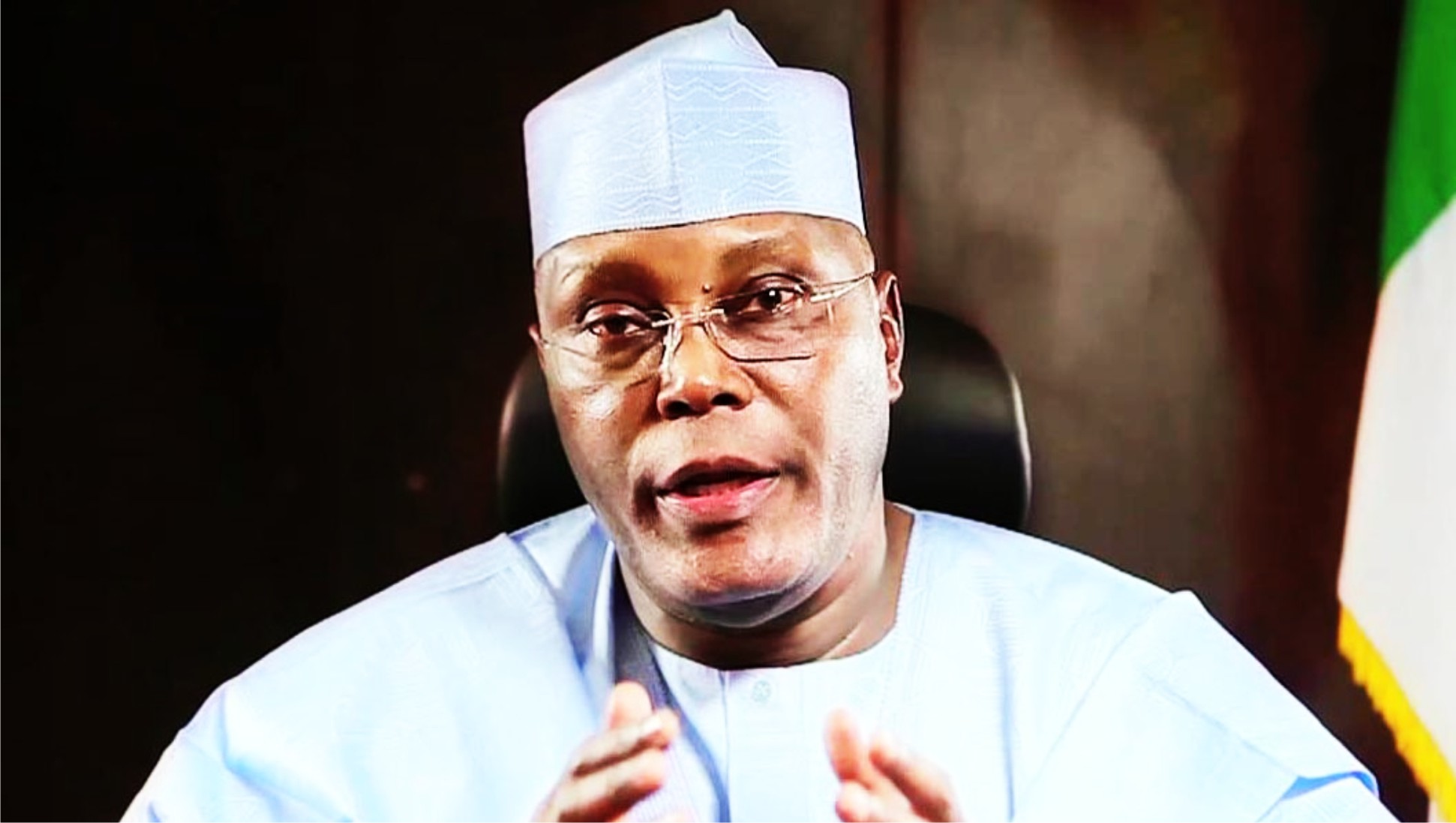
Atiku Names Kenneth Okonkwo As Spokesperson
-

 News3 days ago
Fubara Seeks Full Resolution Of Bille Gas Leakage …Pledges Upgrade Of Community Health Centre