Business
1,029MW Stranded Due To Gas Shortage, Unpaid Invoices
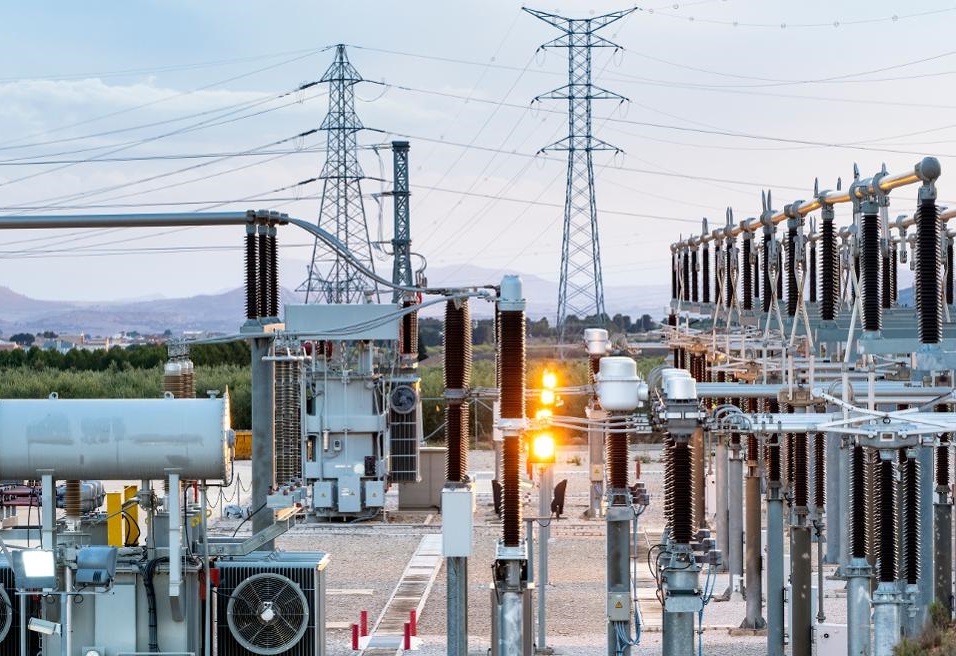
Eight of the power plants on the national grid suffered gas constraints on Wednesday amid concerns by gas producers over unpaid invoices in the Nigerian electricity supply industry.
A total of 1,029.80 megawatts of generation capacity was idle as of Wednesday morning due to gas constraints.
The nation’s total unutilised electricity generation capacity stood at 2,119.8 MW as of 6am on Monday, with low load demand by the distribution companies and water management stalling the generation of 1,090 MW.
The power plants affected by gas constraints, according to data obtained from the Nigerian Electricity System Operator, included Omotosho I , Olorunsogo I, Omoku , Afam VI , and Geregu II (NIPP), Omotosho II (NIPP), Gbarain NIPP and Trans- Amadi.
Total power generation in the country stood at 4,775.8 MW as of 6 am on Wednesday , compared to 4,755.8 MW on Tuesday.
The Oil Producers Trade Section (OPTS), comprising international and local operators in the Nigerian oil and gas industry, decried last Thursday the unpaid gas invoices in the power sector.
In its presentation at the international conference of the Nigeria Gas Association , the OPTS said, “ We must of a necessity repay all outstanding gas invoice arrears. Some companies are being owed as far back as 2015 -2016 . This is not sustainable; we must be able to get assurance that when we produce the gas, we will get paid for it.
“So , we must of a necessity quickly settle all outstanding debts and make sure that we establish bankable credit support that will make the gas business to grow so that investors can develop more gas resources”.

Transport
Nigeria Rates 7th For Visa Application To France —–Schengen Visa
Transport
West Zone Aviation: Adibade Olaleye Sets For NANTA President
Business
Sugar Tax ‘ll Threaten Manufacturing Sector, Says CPPE
In a statement, the Chief Executive Officer, CPPE, Muda Yusuf, said while public health concerns such as diabetes and cardiovascular diseases deserve attention, imposing an additional sugar-specific tax was economically risky and poorly suited to Nigeria’s current realities of high inflation, weak consumer purchasing power and rising production costs.
According to him, manufacturers in the non-alcoholic beverage segment are already facing heavy fiscal and cost pressures.
“The proposition of a sugar-specific tax is misplaced, economically risky, and weakly supported by empirical evidence, especially when viewed against Nigeria’s prevailing structural and macroeconomic realities.
The CPPE boss noted that retail prices of many non-alcoholic beverages have risen by about 50 per cent over the past two years, even without the introduction of new taxes, further squeezing consumers.
Yusuf further expressed reservation on the effectiveness of sugar taxes in addressing the root causes of non-communicable diseases in Nigeria.
-
Niger Delta2 days agoPDP Declares Edo Airline’s Plan As Misplaced Priority
-
Sports3 days agoSimba open Nwabali talks
-
News4 days agoDon Lauds RSG, NECA On Job Fair
-
Nation3 days agoHoS Hails Fubara Over Provision of Accommodation for Permanent Secretaries
-
Niger Delta3 days ago
Stakeholders Task INC Aspirants On Dev … As ELECO Promises Transparent, Credible Polls
-
Niger Delta2 days ago
Students Protest Non-indigene Appointment As Rector in C’River
-
Oil & Energy3 days agoNUPRC Unveils Three-pillar Transformative Vision, Pledges Efficiency, Partnership
-
Rivers3 days ago
Fubara Restates Continued Support For NYSC In Rivers