
Business
FEC Approves Concessioning Of Lagos, Abuja Int’l Airports

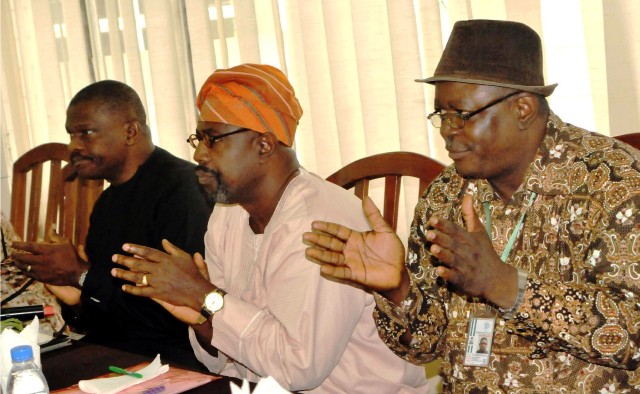
Vice President, Prof. YemiOsinbajo,on Monday said the Federal Executive Council (FEC) has approved the concessioning of the Lagos and Abuja International Airports for better management.
Osinbajo said this in Abuja at the fifth Presidential Quarterly Business Forum aimed at improving the ease of doing business in Nigeria.
“We are working hard to make the airports more passenger-friendly, but then we have several issues.
“Infrastructure is in a terrible state and we know that public sector has a poor record on maintenance of facilities.’’
He said the airports needed to be overhauled as they lacked basic facilities as most of the available ones were dilapidated.
He said for the economy to be improved, the private sector needed to be involved in many ways.
“Partnership with the private sector is not only a policy, it is the most sensible thing to do and our approach is to engage, work collaboratively to take criticisms and suggestions seriously and to respond.’’
He said a lot needed to be done in the whole process to ensure that what needed to be done was done to guarantee change and improve the economy.
He, however, said change was always slow but that the nation must remain focused to achieve the required objectives.
Osinbajo said the readiness to confront the covert and overt resistance of a system accustomed to rent seeking and gratification were also important
“The private sector is also used to a system where there is constant gratification and rent seeking and in order to reverse and stop that, it involves calling out public officials who are involved in such.
“So it means the private sector cannot say because I want to do my own business as quickly as possible I will not call out anybody who is seeking gratification or bribe.
“We have to do this thing and if we do not, we will not solve the problem,’’ he said.



-

 News5 days ago
Rivers NUJ Seeks Recruitment Into State Media Houses …Urges Govt To Reposition Public Service
-

 News5 days ago
Family Seeks Police Help As Woman Goes Missing After Fleeing Female Circumcision Threat
-
 News4 days ago
NDLEA Intercepts 1.63m Tramadol Pills, Arrests 80-Year-Old Suspect
-

 News5 days ago
Tinubu, Fubara Condole Amaechi Over Mother’s Death
-
 Oil & Energy4 days ago
NCDMB Partner Renaissance To Train 300 Youths On oil, gas Skills
-
 News5 days ago
Nigeria Hosts World Public Relations Forum Sept …As Experts Seek Inclusion Of PR In Decision Making
-
 Oil & Energy4 days ago
Abia Secures $145m Investment Commitment To Establish Solar Manufacturing Plant
-

 News4 days ago
FG Alerts Nigerians Of N50,000 Allowance Registration Scam