
Business
NITDA Set To Haunt Digital Crime Operations

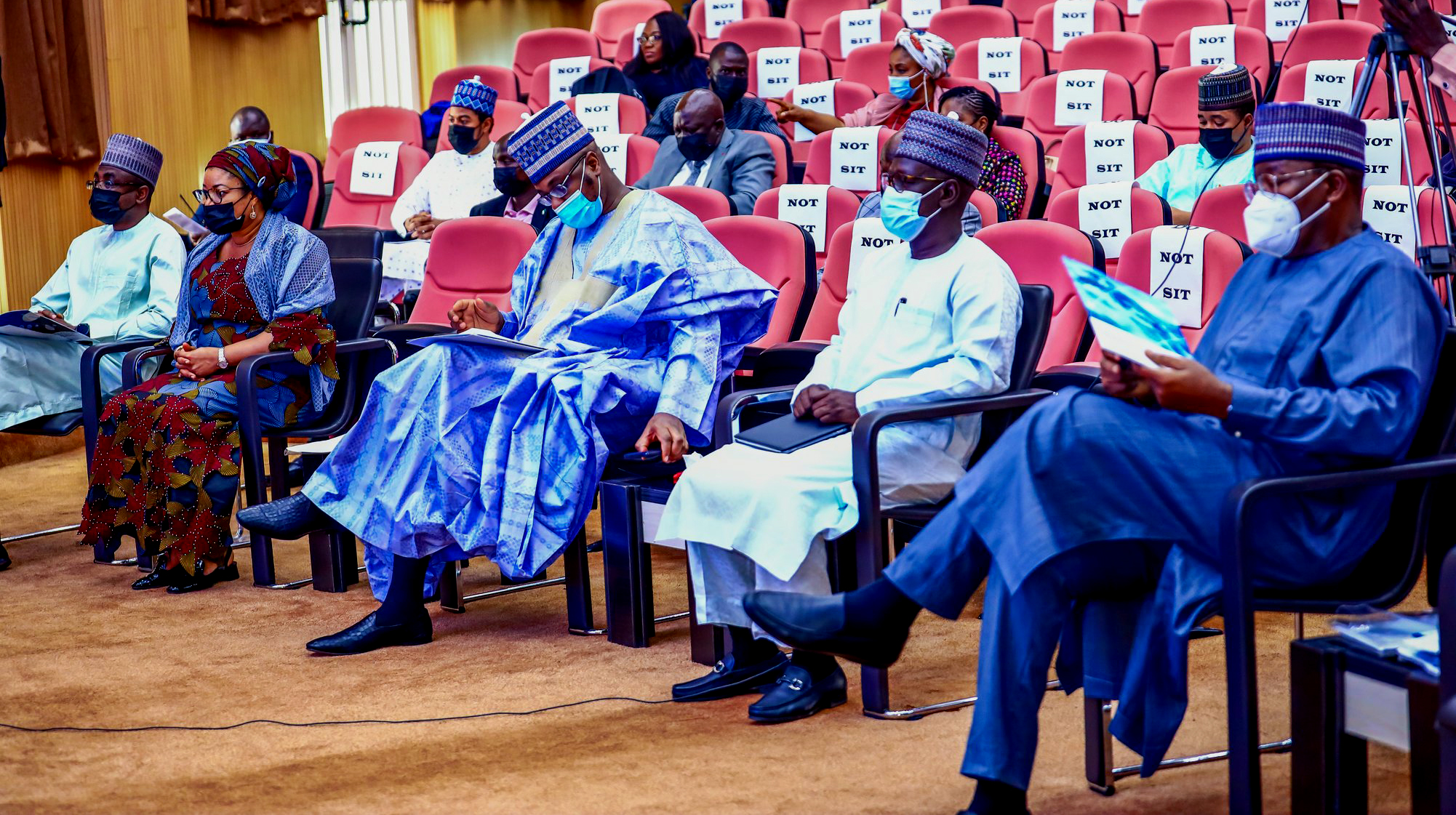
In response to security challenges bedeviling the Nigeria’s cyberspace, the National Information Technology Development Agency (NITDA) has established a dedicated digital emergency response centre to check rising threats.
Towards this end, the digital agency has set its target on achieving optimum commitment to attain 95 per cent digital literacy in Nigeria by 2030.
Director-General of the agency, Mallam Inuwa Kashifu Abdullahi, disclosed this recently at the end of a three-day Digital Journalism and Fact-Checking workshop organised by Image Merchants Promotion Limited and the Penlight Centre for Investigative Journalism with the support of the Ministry of Communications and Digital Economy through National Information Technology Development Agency (NITDA).
The NITDA boss explained that the cardinal responsibilities of the agency on awareness creation in social security, protection of digital cyberspace and national and corporate data information are being diligently entrenched in the interest of national security.
Mallam Kashifu emphasised that beyond piloting the digital economy, which has significantly enhanced developmental growth and contributed to gross domestic product, NITDA is promoting digital academy to breed the frontier of knowledge.
He stressed that over 12,000 Nigerians had so far benefitted from digital capacity building through the collaborative effort of corporate agencies and professional bodies nationwide.
Worried over the abuse of social media by unprofessional users, which is fast instigating misinformation and fake news, the NITDA biss expressed optimism that the capacity-building workshop for journalists would help mitigate the challenges.
“We are living in an era where everyone reports news with the era of digitisation, including those who know next to nothing in journalism.
“Unlike what is obtainable before now, people now take the advantage of social media to send or post unverified news. This is a big challenge to us as a nation.
“That is why NITDA is fully supporting the training of professionals like this to expose the hidden gender and reality in cyberspace. To know the logic why fake news goes viral more than good news and to get equipped with the necessary technique to change the narrative.
“As professionals, we rely so much on the media to use their medium to educate the general public on the dangers inherent in cyberspace and how to protect their data and information.
“We would continue to partner with agencies like PRNigeria, civil society organisations and journalists to achieve our target”, he said.
Executive Director, Image Merchants Promotion Limited, publisher of PRNigeria and Economic Confidential Magazine, Mallam Yusahu Shu’iab, said the agency is committed to building a new generation of digital journalists and exploring the new area of media communication using the new technology.
He applauded NITDA for supporting PRNigeria through the supply of computers and renewable energy to actualise her mission.
No fewer than 20 media practitioners selected from print, broadcast and online platforms benefitted from the digital training workshop that lasted three days.



-

 Editorial2 days ago
Enough Of Xenophobic Attacks On Nigerians
-

 Nation2 days ago
RSU, Otonti Nduka Foundation Holds Centenary Conference, Unveil Book on Values in Nigeria
-

 Oil & Energy2 days ago
Rivers PETROAN Elects 12-Member Executive
-
Politics2 days ago
APC Group Protests Ex–Presidential Aspirant’s Disqualification From Rivers Senatorial Race
-

 Sports2 days ago
Oparaodu Urges Rivers United To Win Katsina United
-
Politics2 days ago
Reps Speaker Secures APC Return Ticket For Fifth Term
-

 Sports2 days ago
” Nigeria’s best domestic players are not in NPFL”
-
Politics2 days ago
Primaries: Diri Lauds APC’s Unity, Cohesion In Bayelsa