
Business
AG Indicts NBET’s MD Over N517m Contract

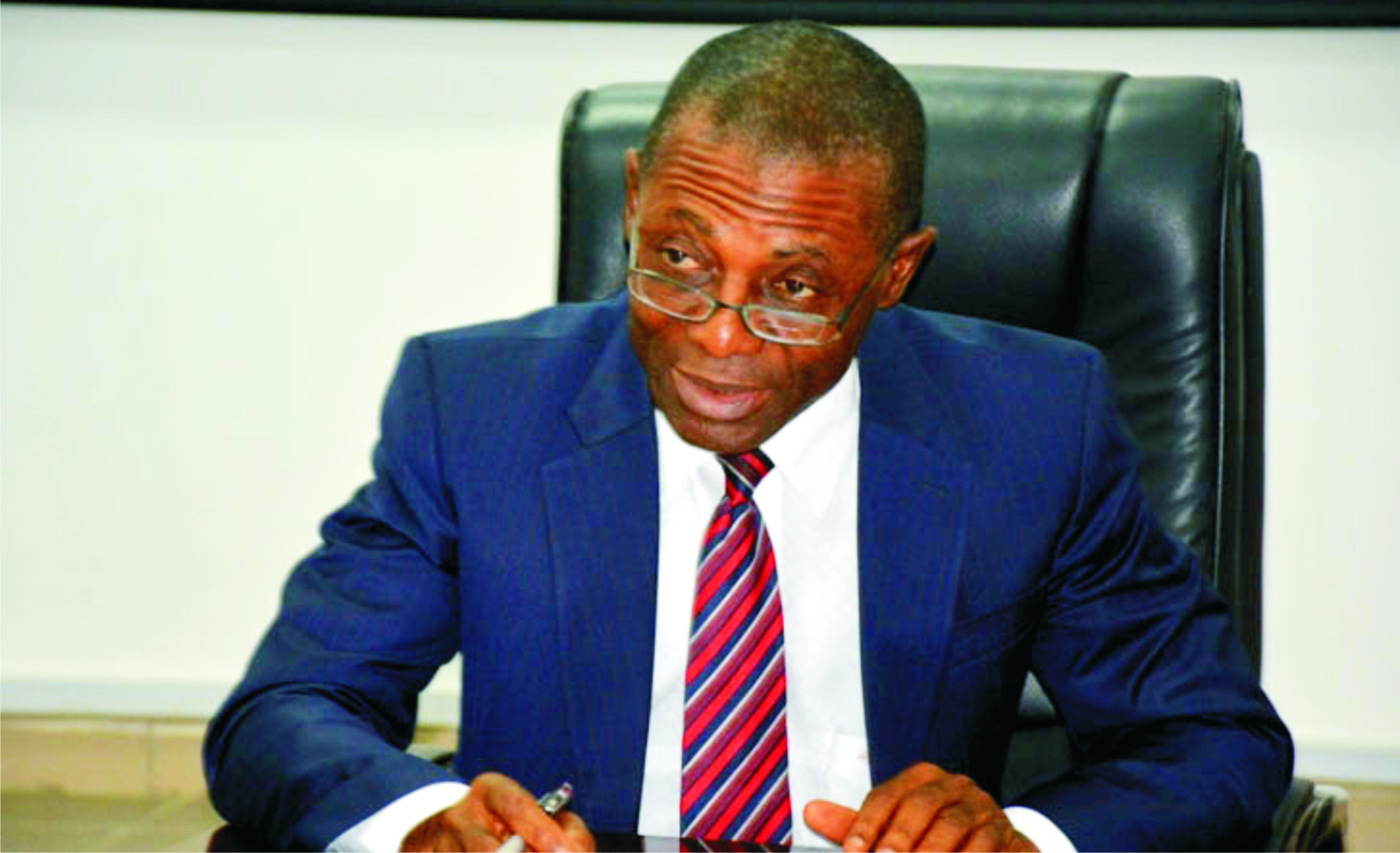
An audit report of the Auditor General of the Federation, Mr Anthony Ayine, has indicted the Managing Director of the Nigerian Bulk Electricity Trading Company Plc, Dr Marilyn Amobi, for contracting-splitting to the tune of N517m and other procurement violations.
According to a 13-page report by the AuGF, obtained by The Tide, the contracts were awarded for the same project to Julius Berger Plc in three different award letters – in violation of the provisions of Section 20(2e) of the Public Procurement Act and the 2017 Appropriation Act.
The section reads, “The accounting officer of every procuring entity shall have overall responsibility for the planning of, organisation of tenders, evaluation of tenders and execution of all procurements and in particular shall be responsible for ensuring that no reduction of values or splitting of procurements is carried out such as to evade the use of the appropriate procurement method.”
Section 58 (4d) of the Act also states that anyone who engaged in splitting tenders (contracts) is liable on conviction to at least five years’ imprisonment without any option of fine as well as summary dismissal from government services.
The AuGF, in his recommendation, said the NBET boss should, within 21 days, explain why she should not be sanctioned in line with Section 58(5a-b) of the PPA.
The Tide could not, however, ascertain whether Amobi was queried for violating the Act.
Eleven months after the indicting report, Amobi was suspended on December 24, 2019, alongside the MD, Rural Electricity Agency, Mrs Damilola Ogunbiyi, by the Minister of Power, Sale Mamman, while a five-man investigative committee was set up to look into the complaints against her.
The power minister had said Amobi and Ogunbiyi were part of a cabal that “held the power ministry by the throat” and were “denying Nigerians the full value of their huge investments in the power sector.”
But President, Muhammadu Buhari, last Wednesday directed that the NBET boss should be reinstated.
A copy of the AuGF report dated January 28, 2019, however, stated that the N517m was for the partitioning, design, manufacture, installation of boundaries and coupling of office fixtures and fittings in different amounts.
The report with reference number OAuGF/P&PAD/NBET/06 was signed by the Director of Audit/Programmes and Performance Audit department, OAuGF, A Owolo.



Business
Jonathan, Diri, Others Laud Firm’s Milestone in Bayelsa …Says Project Will Drive Industrialisation, Create Jobs



-

 News2 days ago
RSG Targets Nine Million Residents in Mosquito Net Distribution Campaign
-

 Oil & Energy2 days ago
Aiyedatiwa Signs New Electricity Bill
-

 Oil & Energy2 days ago
NLNG Commissions Research And Innovation Centre In RSU
-

 Maritime2 days ago
Marine Minister Commends President Tinubu On NPERA Bill Assent
-

 News2 days ago
KenPoly Holds Eight Convocations, August 29
-

 News2 days ago
RSG Begins Another Phase of Projects Commissioning Today
-

 News2 days ago
RMAFC Completes Revenue Sharing Review, Proposes New Pay
-

 Maritime2 days ago
NAGAFF Petitions IGP Over Alleged Maritime Police Harassment