
Business
Nwanosike Disband All Revenue Agents In Kelga

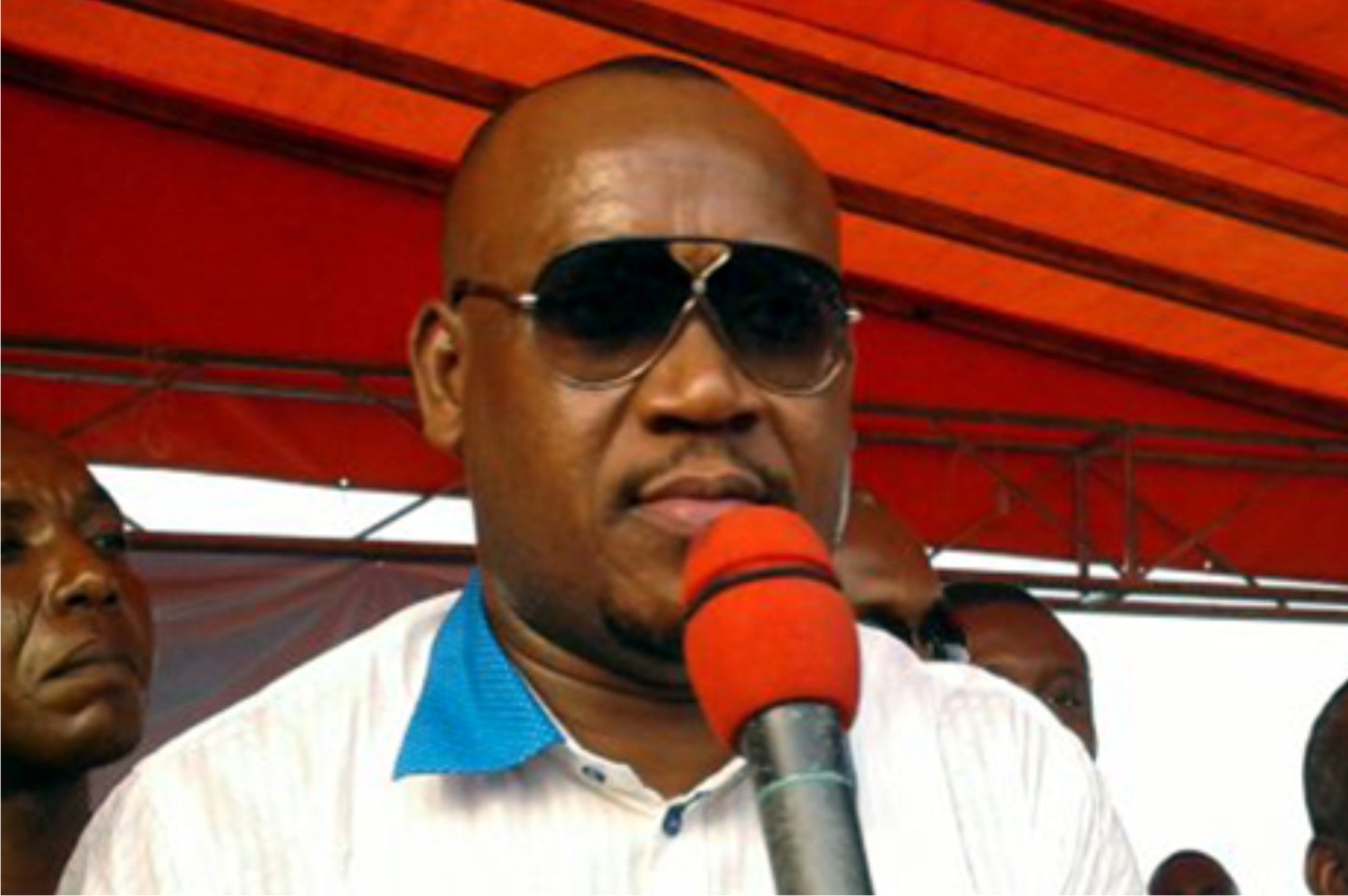
The Chairman, Ikwerre Local Government Area, Hon Samuel Nwanosike has disbanded all revenue teams and agents operating in the council.
Nwanosike said he would arrest and prosecute anybody caught collecting illegal revenue from business owners across the local government area.
The council boss stated this recently while briefing newsmen on how touts and hooligans collects all sorts of rates, revenues from business men and other investors, thereby duping innocent investors in the area.
Hon Nwanosike said following the disbandment of all revenue teams and agents by the council, nobody or staff is authorise to collect any revenue on behalf of the council.
According to him, “Ikwerre LGA has disbanded all revenue teams and agents and directs all revenue payment to council treasurer to avoid fraud”
He called on business owners and investors to direct all revenue payments to Ikwerre Local Government Area designated Bank Account, insisting that nobody is authorise to collect money on behalf of the council.
Nwanosike said all payments for fencing permit, building approval, sign post, tenament rates, land rate and local government identification letters should be paid to a designated bank operated by the Ikwerre Local Government.
“We want to stop double taxations, hooliganism and gangsterism in the payment of revenues in the LGA, as anybody caught demanding money from property owners without the council permission would be prosecuted,” he said.
The chairman said the council would also sue business owners, investors who had failed to pay their 2017,18, 19 revenue to the council.
The council ,he said is ready to partner with investors, business community to bring in investment into the LGA.
He decried the acts by some criminal minded persons in the LGA who print council letter headed letters, seal and other documents to dupe innocent investors and business men in the LGA.
Nwanosike lauded Governor Nyesom Wike for building a formidable third tier of government in the state and curbing criminalities across the state.
Chinedu Wosu



Business
Jonathan, Diri, Others Laud Firm’s Milestone in Bayelsa …Says Project Will Drive Industrialisation, Create Jobs



-

 News3 days ago
RSG Targets Nine Million Residents in Mosquito Net Distribution Campaign
-

 Oil & Energy3 days ago
Aiyedatiwa Signs New Electricity Bill
-

 Oil & Energy3 days ago
NLNG Commissions Research And Innovation Centre In RSU
-

 Maritime3 days ago
Marine Minister Commends President Tinubu On NPERA Bill Assent
-

 News3 days ago
KenPoly Holds Eight Convocations, August 29
-

 News3 days ago
RMAFC Completes Revenue Sharing Review, Proposes New Pay
-

 News3 days ago
RSG Begins Another Phase of Projects Commissioning Today
-

 Maritime3 days ago
NAGAFF Petitions IGP Over Alleged Maritime Police Harassment