
Business
Collapsed Building In PH, Cause For Concern-NIOB Boss

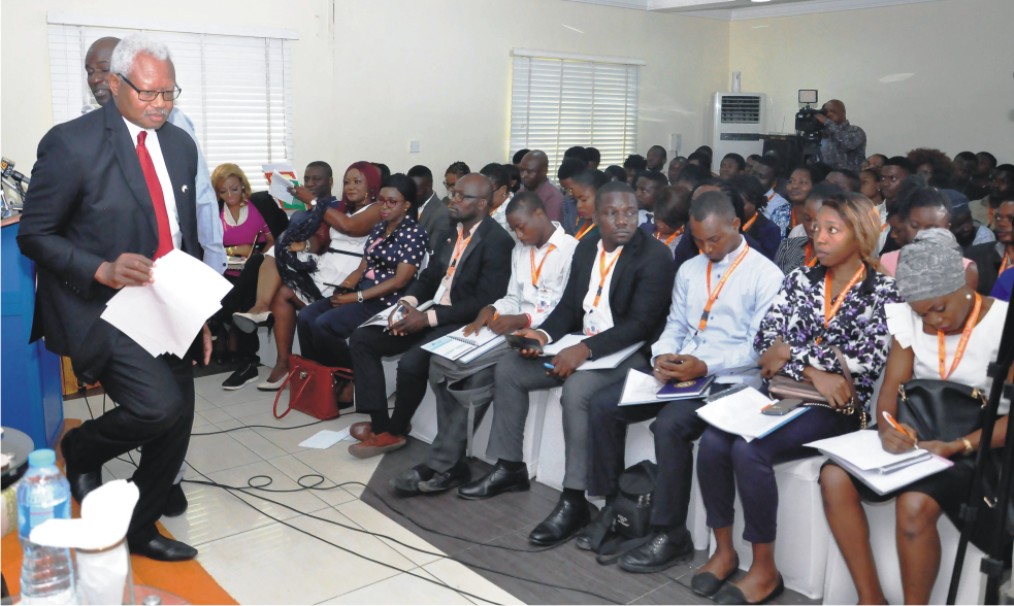
The Chairman, Nigerian Institute of Building (NIOB), Rivers State chapter, Akinola Bammeke, has said that the recent collapse of a seven-storey building under construction in Woji GRA in Port Harcourt, is a cause for serious concern as the unfortunate incident suggests that building collapse has become a recurring decimal across the nation in recent times.
Bammeke said that the situation calls for urgent steps to be taken to stop the trend.
He disclosed that so far, 15 bodies have been recovered from the rubbles while the search continues, adding that the mishap has changed the Yuletide mood in the state.
He recalled that Rivers State has between 2001 and 2017 recorded six cases of building collapse where close to 100 persons lost their lives.
“In 2001, a four-storey building under construction collapsed on the Abacha Road with three deaths recorded. In 2006, another four-storey building went down at the Elelenwo part of the state. In 2017, a three-storey building collapsed in Alakahia Community in Obio Akpor Local Government Area of the state. The building located along the NYSC Road, Alakahia, collapsed”, he said.
Bammeke and other building experts suggested that a number of factors were responsible for the collapse.
A civil engineer at the collapse site, Mr. Ebenezer Ogundipe, noted that the materials used for the collapsed building were quite in order, but the structural design was faulty, saying, “they used heavier rods where they should have used lighter ones and so that made areas that should have been lighter too heavy for the pillars to withstand”.
Some others attributed the collapse to the use of substandard materials and the soil type in the area.
Bammeke said, “we are deeply concerned with the current spate of building collapse across the country, we will be working with government agencies until we ascertain the remote and immediate cause of the collapse and bring culpable persons to book.”
By: Tonye Nria-Dappa



Business
Jonathan, Diri, Others Laud Firm’s Milestone in Bayelsa …Says Project Will Drive Industrialisation, Create Jobs



-

 News5 days ago
RSG Targets Nine Million Residents in Mosquito Net Distribution Campaign
-

 Oil & Energy5 days ago
Aiyedatiwa Signs New Electricity Bill
-

 Maritime5 days ago
Marine Minister Commends President Tinubu On NPERA Bill Assent
-

 Oil & Energy5 days ago
NLNG Commissions Research And Innovation Centre In RSU
-

 News5 days ago
KenPoly Holds Eight Convocations, August 29
-

 News5 days ago
RSG Begins Another Phase of Projects Commissioning Today
-

 News5 days ago
RMAFC Completes Revenue Sharing Review, Proposes New Pay
-

 Maritime5 days ago
NAGAFF Petitions IGP Over Alleged Maritime Police Harassment