
Nation
THE STATES


Adamawa
The Adamawa State Government says it will close all
Internally Displaced Persons (IDPs) camps in the state in January 2017.
The Deputy Governor of the state, Mr Martins Babale, made this known in Yola while briefing newsmen on the outcome of the State Security Council meeting.
Babale said that the administration was not happy with the continuous existence of IDPs in camps across the state.
The deputy governor, who is also the chairman of the State Emergency Management Agency, said that the continuous stay of IDPs in the camps when all parts of the state affected by the insurgency had been recovered, was not good publicity for the state.
Benue
The wife of the Benue State Governor, Mrs Eunice Ortom,
has donated two cows and foodstuffs worth millions of naira to 300 widows and youths in the state.
Ortom donated the foodstuffs in Tse-Aondona-Naka in Gwer-West Local Government Area of the state, including bags of rice, salt, millet, guinea corn, garri, and gallons palm oil.
Ortom, who hails from the local government area, said she made the donation so that her kinsmen would be able to celebrate Christmas and New Year merrily.
The governor’s wife, who was accompanied by her siblings and children, assured the people of the area that Governor Samuel Ortom would uplift their living standard.
Borno
The Nigerian Army says it has arrested about 1,240 sus
pected Boko Haram terrorists during a mop-up operation by troops inside the Sambisa forest.
The Theatre Commander, Operation Lafiya Dole, Maj. -Gen. Leo Irabor, disclosed this while giving update to newsmen on Operation Rescue Final at the Maimalari Cantonment, Maiduguri.
Irabor said that 413 of the suspects were adults; 323 were female adults; 251 male children, while 253 were female children.
He said that the suspects were apprehended during a mop-up operation against the sect members in the forest.
Ekiti
A Magistrates’ Court in Ado-Ekiti has ordered one 54-
year old Gabriel Asateru to be remanded in prison over alleged defilement of a five-year old girl.
The police prosecutor, Insp. Bayo Ajiboye, had told the court that the accused committed the offence on December 23 at Ifishin-Ekiti.
Ajiboye said the accused, on the said date, defiled the minor by luring her to sit on his laps.
Ajiboye said a duplicate of the case file had been sent to the Director of Public Prosecution (DPP), for legal advice.
Gombe
Governor Ibrahim Dankwambo of Gombe State has con
doled with Malam Sidi and Jigawa State communities of Kwami and Nafada local government areas over the death of 22 persons in vehicle crashes.
They were crushed by a vehicle during Maulud celebration on December 12 in an accident that left 33 others hospitalised.
Dankwambo, who spoke through his Chief of Staff, Alhaji Ahmed Yayari, said he received news of the incident with shock while out of the state.
The governor called on the families to take it as an act of God and to continue to pray for the souls of the deceased.
Kaduna
The Nigerian Police, have said that they have arrested 17
suspects and recovered different types of arms and ammunitions since it started a special operation in southern Kaduna State.
The special security outfit, tagged “Operation Harmony”, to restore lasting peace in southern Kaduna, was launched on December 24.
The Deputy Inspector General (DIG) incharge of the Operations, Mr Habila Joshak, paraded the suspects to newsmen in Kafanchan, and said the suspects were all linked to the crisis.
The items recovered from the suspects included, six locally made AK-47 guns, four pump action guns, two revolver guns and one single barret.
He also said 75 different of types of ammunition and 13 cartridges were also recovered.
Katsina
The Federal Road Safety Commission (FRSC) says no
fewer than 141 people had so far lost their lives in road accidents in Katsina State in 2016.
The FRSC Sector Commander, Alhaji Abdu Bagadawa, disclosed this in an interview with newsmen in Katsina.
He explained that over 116 road accidents had been recorded while 559 persons had sustained various degrees of injuries in road crashes across the state.
Bagadawa attributed the accidents to dangerous driving, speeding, over-loading, wrong overtaking, route violation and burst tyres.
Kebbi
Governor Atiku Bagudu of Kebbi State said that the
litigation on tenure of past chairmen had delayed the conduct of local government election in the state.
Bagudu made the disclosure while conducting the swearing-in ceremony for 18 newly appointed sole administrators of local government councils in Birnin Kebbi.
He said the determination of the suit would enable his administration to conduct fresh local government election.
The governor, however, urged the newly appointed administrators to ensure rapid development in rural areas by ensuring comprehensive implementation of policies and programmes of the state and Federal Government.
Kwara
The Kwara State Governor, Dr Abdulfatah Ahmed, says
that the proposed creation of Local Council Development Areas (LCDAs) in the state, when created, will bring about development and drive revenue generation at the local level in the state.
The governor said this in Ilorin during the submission of the report of Committee on Creation of LCDAs by its Chairman, Alhaji Kawu Baraje.
Ahmed said that revenue to be generated from the planned LCDAs revenue would fund their operations and contribute to the promotion of welfare and other socio economic benefits for the people at the grassroots.
He said the establishment of the committee was informed by the desire of his administration to bring development to the grassroots in the state.
Kogi
An environmentalist, Mrs Chinelo Agu, has called for
intensified awareness about fire prevention and training on emergency response to fire outbreaks in Nigeria.
Agu, a lecturer at the Shell Centre for Environmental Management and Control (CEMAC), University of Nigeria, Nsukka, made the call in an interview with newsmen in Lokoja.
She said that government agencies and other relevant stakeholders, responsible for emergency management, should educate the populace on the management of emergency situations.
The environmentalist also stressed the need for every employee in the Ministries, Departments, parastatal Agencies (MDAs), and organisations to undergo a special training on safety and emergency response to fire outbreaks.
Niger
The Commissioner of Police in Niger State, Mr Zubairu
Muazu, says the state police command recorded violence free Christmas celebration due to the residents’ peaceful conduct during the period.
Muazu said in Minna that crime or violence was not recorded in the state during the period because the command was conscious of its duty.
This, he explained, was made possible by the cooperation received from residents.
He said that the police would continue to initiate various forms of security measures to sustain the peaceful nature the area was known for.
Ogun
The Ogun State House of Assembly has passed the 2017
Appropriation Bill of N221.09 billion into law.
The legislature however cut N38.5 million from the initial N221.12 billion presented to the House by Governor Ibikunle Amosun.
The bill, passed at the assembly’s plenary, had a recurrent expenditure of N91.4 billion while N118.5 billion was appropriated for capital expenditure.
Amosun had on November 22 presented a fiscal proposal of N221.12 billion to the House.
The Majority Leader, Mr Adeyinka Mafe, moved the motion for the third reading which was seconded by Mr Mojeed Soyebo, after which the Clerk, Mr Lanre Bisiriyu, did the third reading.
Ondo
Ondo State Governor-elect, Chief Rotimi Akeredolu, has
inaugurated a 21-member Transition Committee ahead of his inauguration on February 24, 2017.
Akeredolu also inaugurated two other committees to help chart a course for the incoming administration.
He said that the transition committee, headed by Dr Funso Kupolokun would “interact with the incumbent government of Ondo State to ensure a seamless transition and effective receipt of detailed handover notes.”
The governor-elect, also announced the formation of a 158-member Strategic Development and Policy Implementation Committee, headed by Mr Agboola Ajayi.
Osun
A 30- year-old man, Kola Banjo, who allegedly stole a mo
torcycle valued N133,000, was arraigned before a Modakeke Magistrates’ Court in Osun State.
The accused is facing a charge of stealing.
The prosecutor, Sgt. Glory Ona said the accused committed the offence on December 1, around 4.00 a.m. at No 4, Yaya Quarters, Modakeke, in Ife North-East.
She said the accused stole a Bajaj Boxer motorcycle with registration No: WDE 378 AQ; property of one Oluwaseyi Ojediran.
Taraba
The police in Taraba State have confirmed the death of one
person in an attack on the convoy of a chieftain of the All Progressives Congress (APC) Alhaji Adamu Mohammed, in Ibi Local Government Area of the state.
The command’s Public Relations Officer, David Misal said in an interview with newsmen in Jalingo that the incident occurred at about 6 p.m. last Wednesday at Mala village.
He added that three persons, critically injured in the attack, were on admission at the Federal Medical Centre, Jalingo.



As the world marked the 2026 International Day of the Girl Child on Sunday, October 11, 2026, a non-governmental organisation, Stand Up for Women Society (SWS) has intensified its campaign against child marriage, urging schoolgirls to prioritise education, protect their rights and develop skills for a better future.
The organisation joined the global observance of the day under the theme, “International Day of the Girl Child: End Child Marriage and Invest in Girls’ Rights,” with a sensitisation programme at Government Girls Secondary School, Oromenike, D-Line, Port Harcourt, Rivers State.
Led by its Vice Chairperson, Daba Benebo, the group engaged the students in discussions on the dangers of early marriage, teenage pregnancy, sexual abuse and other challenges that threaten the education, safety and development of the girl child.
Speaking during the programme, Benebo urged the students to reject early marriage and remain focused on their studies, stressing that education would empower them to make informed decisions about their lives and future.
She cautioned the girls against allowing anyone to deprive them of their right to education and dignity, advising them to report cases of harassment, abuse and other violations of their rights to the appropriate authorities.
Benebo assured the students that SWS remained available to support them whenever they encountered violations of their rights.
She also encouraged them to maintain discipline and responsible conduct while avoiding behaviours that could expose them to negative influences and jeopardise their future.
Beyond formal education, the SWS vice chairperson urged the students to acquire vocational skills that could provide additional opportunities for economic independence and help them navigate future challenges.
The sensitisation programme, enlivened by singing, dancing and to share their views and experiences on issues affecting the girl child interactive sessions, provided an opportunity for the students to share their views and experiences on issues affecting the girl child.
One of the major issues raised during the discussion was the appropriate age for marriage. While some participants maintained that 18 years was the constitutionally approved age, the discussion highlighted the need to consider not only age but also the maturity, preparedness and responsibilities associated with marriage.
The speaker stressed that marriage required adequate mental and emotional preparation, as well as the capacity to shoulder its responsibilities.
She therefore advised the students to concentrate on acquiring a sound education before considering marriage, noting that education would equip them with the knowledge and skills needed to make responsible decisions and manage family life.
The issue of teenage pregnancy also featured prominently during the question-and-answer session.
In addressing the subject, the speaker explained that pregnancy could occur even at the age of 12, using the example to underscore the vulnerability of young girls to the consequences of early sexual activity.
She advised the students to avoid sexual intercourse and prioritise their education, personal safety and future aspirations.
The discussion also examined the difficulties some girls encounter when living with hostile spouses, relatives or guardians.
Benebo encouraged the students to cultivate patience, humility and diligence, noting that these qualities could help them navigate difficult situations and build a brighter future.
However, she warned that patience and humility should never be interpreted as an obligation to endure violence, abuse or degrading treatment.
She urged girls experiencing hostile or abusive living conditions to seek help from their parents, trusted adults or appropriate support services rather than remain in environments that could expose them to physical or emotional trauma.
“When such happens, please return to your parents and engage in petty trade or learn a skill to support your education rather than stay in a hostile environment,” Benebo stressed.
The programme also underscored the importance of protecting girls from early marriage and other harmful practices that can disrupt their education, compromise their well-being and limit their opportunities in life.
It also reinforced the need for families, schools, communities and relevant organisations to work together to ensure that girls have access to education, vocational training, protection and the support they need to realise their potential.
For SWS, the message was clear: empowering the girl child begins with protecting her rights, investing in her education and equipping her with the confidence and skills to make informed choices about her future.
Stories by Kevin Nengia
The Egberipapa Foundation has unveiled a mass transit scheme aimed at easing transportation difficulties and improving connectivity among communities in the three Kalabari local government areas of Asari-Toru, Degema and Akuku-Toru in Rivers State.
The initiative, established by former Caretaker Committee Chairman of Akuku-Toru Local Government Council, High Chief Sobomabo Jackrich, popularly known as Egberipapa, is designed to make transportation more accessible and affordable for residents across the Kalabari area.
The scheme was launched on Monday, October 12, 2026, and is expected to address longstanding transportation challenges confronting residents, particularly those in riverine and hard-to-reach communities.
Communities expected to benefit from the initiative include Krakrama, Minama, Angulama, Sangama, Omekwe-Tariama and Omekwe-Ama.
The project is expected to ease movement within and beyond the Central Group area, while providing residents with a more convenient means of transportation for their daily activities.
For decades, transportation difficulties have posed significant challenges to several Kalabari communities, making movement between settlements both cumbersome and expensive. These challenges have also affected commercial activities, social interactions and access to essential services.
The introduction of the mass transit scheme is therefore expected to provide relief to residents, strengthen inter-community connections and stimulate economic activities across the benefiting communities.
Beyond improving mobility, the initiative could contribute to community development by facilitating the movement of people and goods, supporting local businesses and enhancing social and economic interactions within the Kalabari area.
As the scheme gets underway, attention will be focused on its implementation, accessibility and sustainability, as well as its capacity to deliver lasting transportation benefits to the target communities.
The initiative represents a potentially significant step towards addressing transportation challenges and promoting grassroots development across the Kalabari Kingdom.
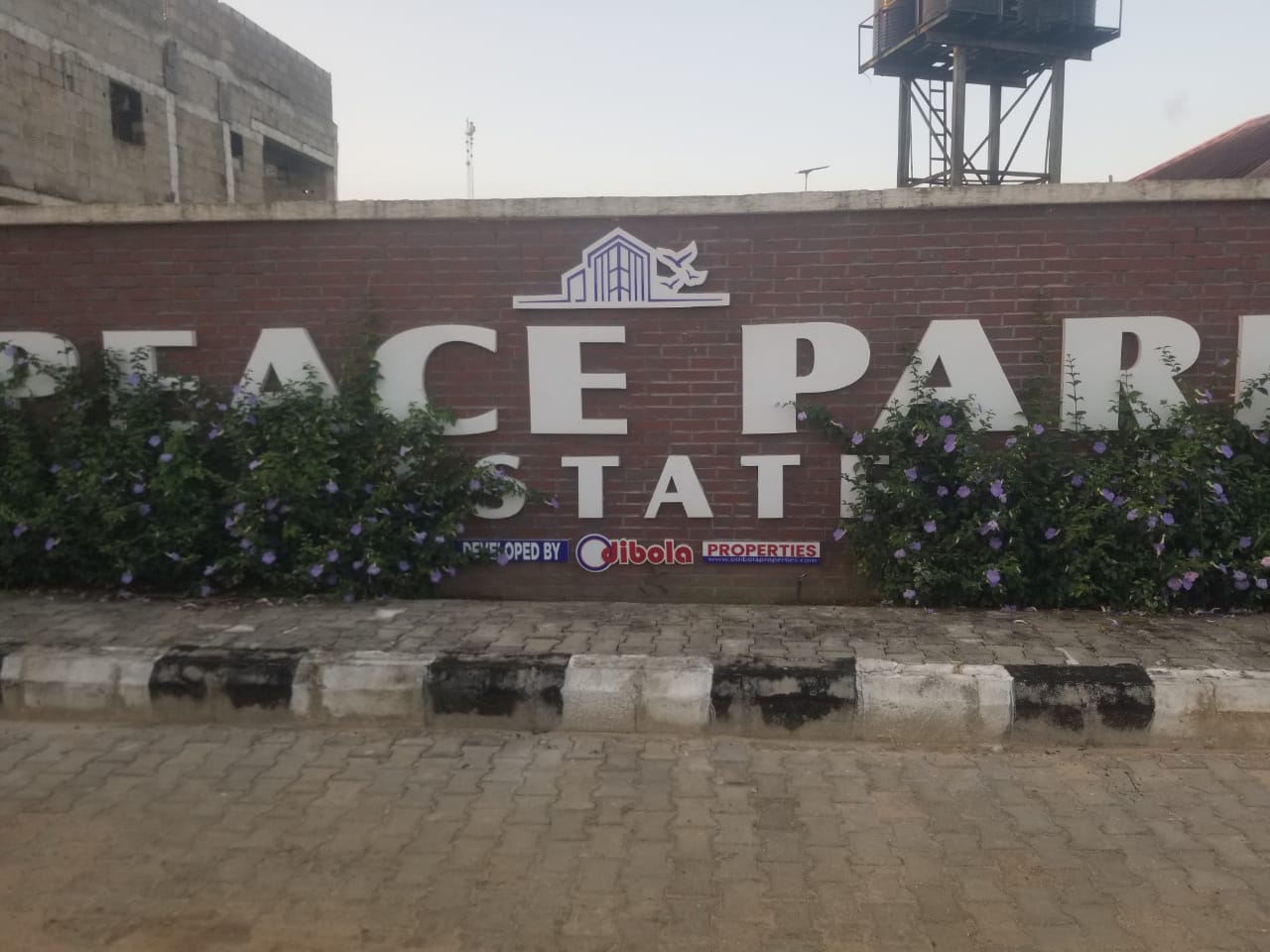
The Amaewhule family of mbodo Aluu in Ikwerre Local Government Area of Rivers State has cautioned members of the public against entering into any land transaction involving a disputed property known as “Ada Oro Fam Land,” located behind the OPM Church along Airport Road.
The family, through its legal counsel, Barrister Ndubuisi Agumagu, issued the warning amid an ongoing legal dispute over the ownership and control of the property, which is said to comprise more than 900 plots of land.
The matter is currently before the Isiokpo High Court of Rivers State in a suit numbered IHC/246/CS/2026, presided over by Justice Sobere Biambo.
The claimants in the suit include Chief Green Amaewhule and others, while Fabulous Amaewhule and Odibola Properties are listed among the respondents.
Counsel to the Amaewhule family, Barr Ndubuisi Agumagu, advised prospective land buyers and members of the public to exercise caution and refrain from purchasing any portion of the disputed property pending the determination of the case by the court.
According to the legal counsel, the property is a family estate belonging collectively to the Amaewhule family, and no individual member of the family has the authority to unilaterally dispose of portions of the land.
The counsel specifically maintained that Fabulous Amaewhule, one of the respondents in the suit, does not have the legitimate authority, according to the family’s position before the court, to sell portions of the disputed property.
The family further warned that anyone who proceeds to purchase land from the respondents while the matter remains before the court would be doing so at their own risk.
It stressed that such buyers could potentially lose their investments should the court eventually deliver judgment against the validity of the transactions.
The legal team said the warning became necessary to prevent unsuspecting members of the public from committing their resources to a property whose ownership and right of disposition are currently the subject of judicial determination.
The family also urged prospective investors, developers and land buyers to conduct proper legal inquiries and obtain independent verification of the status of the property before committing funds to any transaction relating to it.
The Amaewhule family said its position was intended to protect members of the public from possible financial losses and further legal complications while the case remains sub judice, stressing that interested parties should await the final determination of the court.
Akujobi Amadi
-
 Education20 hours ago
FCE Yola Graduates 3,555 Teachers , Seeks Upgrade to University
-

 Niger Delta23 hours ago
Diri Restates Stance On Lagos-Calabar Coastal Highway
-

 Sports20 hours ago
Nigerian Trio Target Titles At PFL Africa Finals
-

 Niger Delta23 hours ago
C’River, NUJ Pay Tribute To Late Guardian Editor
-

 News24 hours ago
NDLEA Recovers Tons Of Illicit Drug Consignments In Nine States
-

 Opinion22 hours ago
Checking Voter Apathy In Nigeria’s Electoral Process
-

 Politics20 hours ago
2027: DICKSON’S EX-ALLY VOWS TO WORK AGAINST NDC INTEREST IN BAYELSA
-

 Politics20 hours ago
2027: GROUP PLEDGES 40,000 SUPPORTERS FOR COALITION CANDIDATES IN RIVERS