
Nation
THE STATES

Benin
The Vice Chancellor of the University of Benin, Professor
Osayuki Oshodi, resumed work Monday after almost three months absence due to ill health.
It would be recalled that Prof Oshodin, until yesterday, was last seen in the institution’s campus in May, fuelling speculations about his health and calls for the appointment of a successor.
Amidst such speculation, Prof Oshodin, who wore a grey suit, yesterday made a surprise appearance at the institution’s Senate building at about 11:00 a.m. to attend a meeting of the appointment and promotion board of the university amidst shouts of joy by senior staff of the university who welcomed him.
Meanwhile, three associations in the university’s branch of the Senior Staff Association of Nigerian Universities (SSANU), the National Association of Academic Technologists (NAAT) and the Non-Academic Staff Union of Education and Associated Institutions (NASU) Monday berated calls by some sections in the university for the appointment of a substantive vice-chancellor for the institution because of the absence of Prof Oshodin.
SSANU, NAAT and NASU, who were represented at a press briefing at the institution by Comrade John Osaretin Alile, Comrade S.M. Momoh and Joel Idonije respectively, noted that it smacked of mischief for anyone to claim that the absence of the vice-chancellor had created tension and slowed down activities within the university.
Ekiti
The current wave of policy change across some states
controlled by the All Progress Congress (APC) has been attributed to the defeat suffered by the party in the June 21 governorship election.
The Minister of State for Works, Prince Adedayo Adeyeye who spoke yesterday, commended the people of Ekiti State for “liberating Yoruba people from bondage”.
Adeyeye, who briefed journalists in his Ise-Ekiti country home, said the reversal of tuition fees from over N300,000 to N25,000 by Lagos State Governor Babatunde Fashola and the planned review of the ban on Okada in the state was an “act of deceit propelled by the fear of an impending rejection by the people in 2015.”
The minister said he was proud to be part of the June 21 governorship election, which according to him has forced the APC governors to embark on “desperate review of anti-people policies. Ekiti people can now hold their heads high having liberated the South-west from oppression”.
FCT
An Abuja-based group, Service Integrity Group, has faulted
a news report purportedly insinuating that the new Head of Service (HoS), Mr. Danladi Kifas, was not qualified to be appointed into the exalted position because he was allegedly indicted by a probe panel.
A statement issued by the Coordinator of the group, Mallam Sherrif Abdulahi, said: “Our attention was drawn to a news-report purported to insinuate that the new Head of Service of the Federation, Mr Danladi Kifasi , was indicted by a panel and therefore not qualified to hold public office.
“We affirm that Mr. Kifasi was cleared of any purported indictment as early as March 2006 and was also given clean bill of health by the Attorney General of the Federation in July 2006.
Kano
Dr. Abdullahi Umar Ganduje, Deputy to Governor Rabiu
Musa Kwankwaso of Kano state has broken his silence over his ambition to govern Kano after 2015, saying he is interested in the guber-race.
Ganduje during a meeting with Kano Correspondents Chapel Nigeria Union of Journalists (NUJ) said his willingness to subject himself to succeed his boss, if given the chance was borne out of his large wealth of experience and urge to build on the gigantic legacies of Governor Kwankwaso.
Ganduje, however, stated that he would be willing to wait until the Kwankwasiyya political movement of the Kano All Progressive Congress (APC) decides who will carry the flag.
Ours is a party that has just been put in place. The APC it is a merger party. So, I will urge you to wait until the time when there will be news or no news. I am interested, but I have not declared, we are still consulting, Ganduje added.
Kebbi
The office of the Permanent Secretary at the Government
House in Birnin Kebbi was gutted by fire yesterday.
Sources at the Government House told our reporter that the incident which occurred at about 4:40pm affected files and documents inside the permanent secretary’s office. An official said there was no injury or loss of life.
“The Head of Civil Service, Alh Baballe Umar Yauri, just visited the scene and a committee will be set up to investigate the cause of the fire. He will also talk to the press later,” he said. Unconfirmed sources said the fire was caused by an electrical surge.
Kogi
The traditional ruler of Itoduma community in Ibaji Local
Government Area of Kogi State, Ogah Attah, David Ademu Onate, has called on Governor Idris Wada to provide the community with electricity.
Chief Onate made the call yesterday in an interview with newsmen at Itoduma community, shortly after a reception organized in his honour.
Onate said “people of the area had been fighting for an autonomous traditional ruler, and that now that they had gotten one, they would now fight for development.
Onate, who was crowned on October 14, 2013 by Attah Igala, Michael Ameh Oboni 11, called on the people to remain peaceful and united.
Nasarawa
The Nasarawa State House of Assembly has suspended,
Tanko Tunga, an All Progressives Congress (APC) lawmaker for six months.
Our correspondent reports that Tunga was suspended for violating the Assembly’s rules.He was also accused of attempting to snatch the mace and insulting his colleagues.
Tunga has been placed on half salary for the duration of his suspension.
Also, the state house of assembly directed its Clerk, Ego Maikeffi, to write the National Judicial Council (NJC) reporting Chief Judge, Justice Suleiman Dikko, for violating Section 188.
Niger
The Petroleum Technology Development Fund (PTDF) will
train 8,000 professional welders with a view to replacing expatriates working in similar capacity in the oil and gas industry.
Executive Secretary of PTDF, Mr. Femi Ajayi, said this yesterday while flagging off an entrepreneurship development training programme for trainees of the welders in Minna, Niger State.
”The skills gap audit and several reports since 2011 have identified fabrication as the area with the highest potential for Nigerian content development. Yet, it is one in which the least capacity development has been recorded over time.
Ondo
Many more lives in the Niger Delta region would be
touched through the programme and projects of the Niger Delta Development Commission, (NDDC) as its funding improves.
The Ondo State Representative on the Governing Board of the Commission, Barrister Benson Amuwa, said this while speaking at the flag- off of the Free Medical Programme in Igbobini, Ese Odo Local Government Area and Igo, Ilaje Local Government Area of Ondo State.
During the programme, which was organised in collaboration with Universal Medical Foundation and Pro-Health International, over 6,000 residents of the riverine communities of Ondo State received free medical services.
Barr. Amuwa urged the people to cooperate and support the medical teams to work effectively, promising that NDDC is determined to bring healthcare to the doorstep of the people.
Oyo
Former governor of Oyo State, Senator Rashidi Ladoja,
has decried the omission of his name on the voters’ registration list.
Ladoja expressed his disappointment when he visited Ward 3, Ibadan North Local Government area of the state, where he went to collect his permanent voter card.
Commenting on the development, Publicity Secretary, Accord Party, Dr Nureni Adeniran, urged the Independent National Electoral Commission (INEC) to improve upon the process, so as not to deny eligible voters their rights.
Adeniran also urged the people yet to register to avail themselves of the opportunity.
Taraba
The Taraba State House of Assembly has resolved to
investigate the N10 billion loan procured in 2012 for the construction of four kilometres roads in each of the 16 local councils of the state.
Charles Maijankai had in a motion told the House that the roads were poorly done and prayed that a committee be set up to investigate utilisation of the funds.
He recalled that the House in 2012 approved the sum of N10 billion for the road projects, which were handled by Taraba State Road Construction Agency (TARCMA) and PW Company.
The motion was seconded by Muhammad Gaayam at a sitting which was presided over by the Deputy Speaker, Alhaji Adamu Tanko Maikari.
Contributing to debate on the motion, former speaker of the House, Istifanus Haruna Gbana, said the contractors compromised standards in handling the project, adding that those concerned should be summoned.



As the world marked the 2026 International Day of the Girl Child on Sunday, October 11, 2026, a non-governmental organisation, Stand Up for Women Society (SWS) has intensified its campaign against child marriage, urging schoolgirls to prioritise education, protect their rights and develop skills for a better future.
The organisation joined the global observance of the day under the theme, “International Day of the Girl Child: End Child Marriage and Invest in Girls’ Rights,” with a sensitisation programme at Government Girls Secondary School, Oromenike, D-Line, Port Harcourt, Rivers State.
Led by its Vice Chairperson, Daba Benebo, the group engaged the students in discussions on the dangers of early marriage, teenage pregnancy, sexual abuse and other challenges that threaten the education, safety and development of the girl child.
Speaking during the programme, Benebo urged the students to reject early marriage and remain focused on their studies, stressing that education would empower them to make informed decisions about their lives and future.
She cautioned the girls against allowing anyone to deprive them of their right to education and dignity, advising them to report cases of harassment, abuse and other violations of their rights to the appropriate authorities.
Benebo assured the students that SWS remained available to support them whenever they encountered violations of their rights.
She also encouraged them to maintain discipline and responsible conduct while avoiding behaviours that could expose them to negative influences and jeopardise their future.
Beyond formal education, the SWS vice chairperson urged the students to acquire vocational skills that could provide additional opportunities for economic independence and help them navigate future challenges.
The sensitisation programme, enlivened by singing, dancing and to share their views and experiences on issues affecting the girl child interactive sessions, provided an opportunity for the students to share their views and experiences on issues affecting the girl child.
One of the major issues raised during the discussion was the appropriate age for marriage. While some participants maintained that 18 years was the constitutionally approved age, the discussion highlighted the need to consider not only age but also the maturity, preparedness and responsibilities associated with marriage.
The speaker stressed that marriage required adequate mental and emotional preparation, as well as the capacity to shoulder its responsibilities.
She therefore advised the students to concentrate on acquiring a sound education before considering marriage, noting that education would equip them with the knowledge and skills needed to make responsible decisions and manage family life.
The issue of teenage pregnancy also featured prominently during the question-and-answer session.
In addressing the subject, the speaker explained that pregnancy could occur even at the age of 12, using the example to underscore the vulnerability of young girls to the consequences of early sexual activity.
She advised the students to avoid sexual intercourse and prioritise their education, personal safety and future aspirations.
The discussion also examined the difficulties some girls encounter when living with hostile spouses, relatives or guardians.
Benebo encouraged the students to cultivate patience, humility and diligence, noting that these qualities could help them navigate difficult situations and build a brighter future.
However, she warned that patience and humility should never be interpreted as an obligation to endure violence, abuse or degrading treatment.
She urged girls experiencing hostile or abusive living conditions to seek help from their parents, trusted adults or appropriate support services rather than remain in environments that could expose them to physical or emotional trauma.
“When such happens, please return to your parents and engage in petty trade or learn a skill to support your education rather than stay in a hostile environment,” Benebo stressed.
The programme also underscored the importance of protecting girls from early marriage and other harmful practices that can disrupt their education, compromise their well-being and limit their opportunities in life.
It also reinforced the need for families, schools, communities and relevant organisations to work together to ensure that girls have access to education, vocational training, protection and the support they need to realise their potential.
For SWS, the message was clear: empowering the girl child begins with protecting her rights, investing in her education and equipping her with the confidence and skills to make informed choices about her future.
Stories by Kevin Nengia
The Egberipapa Foundation has unveiled a mass transit scheme aimed at easing transportation difficulties and improving connectivity among communities in the three Kalabari local government areas of Asari-Toru, Degema and Akuku-Toru in Rivers State.
The initiative, established by former Caretaker Committee Chairman of Akuku-Toru Local Government Council, High Chief Sobomabo Jackrich, popularly known as Egberipapa, is designed to make transportation more accessible and affordable for residents across the Kalabari area.
The scheme was launched on Monday, October 12, 2026, and is expected to address longstanding transportation challenges confronting residents, particularly those in riverine and hard-to-reach communities.
Communities expected to benefit from the initiative include Krakrama, Minama, Angulama, Sangama, Omekwe-Tariama and Omekwe-Ama.
The project is expected to ease movement within and beyond the Central Group area, while providing residents with a more convenient means of transportation for their daily activities.
For decades, transportation difficulties have posed significant challenges to several Kalabari communities, making movement between settlements both cumbersome and expensive. These challenges have also affected commercial activities, social interactions and access to essential services.
The introduction of the mass transit scheme is therefore expected to provide relief to residents, strengthen inter-community connections and stimulate economic activities across the benefiting communities.
Beyond improving mobility, the initiative could contribute to community development by facilitating the movement of people and goods, supporting local businesses and enhancing social and economic interactions within the Kalabari area.
As the scheme gets underway, attention will be focused on its implementation, accessibility and sustainability, as well as its capacity to deliver lasting transportation benefits to the target communities.
The initiative represents a potentially significant step towards addressing transportation challenges and promoting grassroots development across the Kalabari Kingdom.
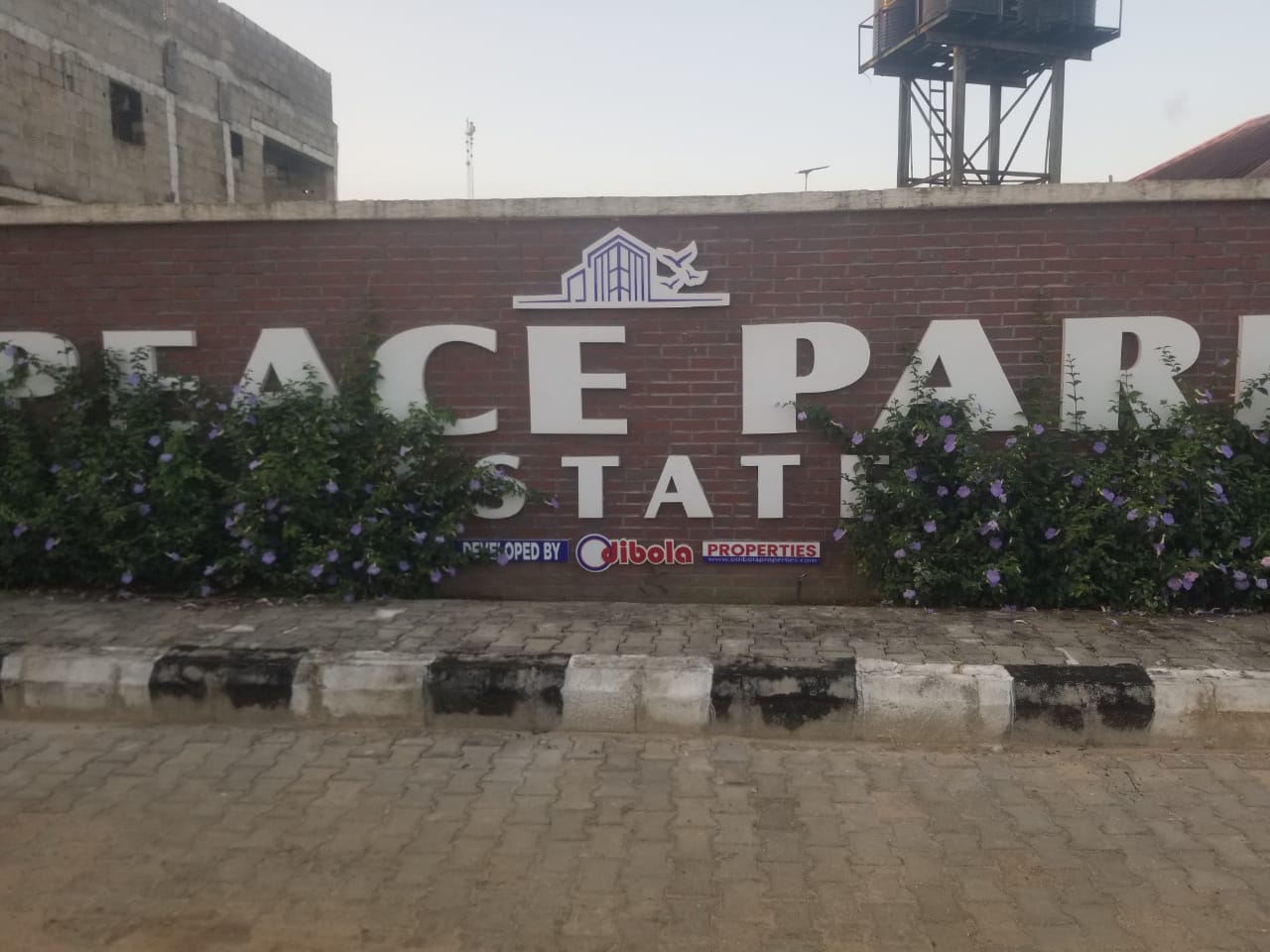
The Amaewhule family of mbodo Aluu in Ikwerre Local Government Area of Rivers State has cautioned members of the public against entering into any land transaction involving a disputed property known as “Ada Oro Fam Land,” located behind the OPM Church along Airport Road.
The family, through its legal counsel, Barrister Ndubuisi Agumagu, issued the warning amid an ongoing legal dispute over the ownership and control of the property, which is said to comprise more than 900 plots of land.
The matter is currently before the Isiokpo High Court of Rivers State in a suit numbered IHC/246/CS/2026, presided over by Justice Sobere Biambo.
The claimants in the suit include Chief Green Amaewhule and others, while Fabulous Amaewhule and Odibola Properties are listed among the respondents.
Counsel to the Amaewhule family, Barr Ndubuisi Agumagu, advised prospective land buyers and members of the public to exercise caution and refrain from purchasing any portion of the disputed property pending the determination of the case by the court.
According to the legal counsel, the property is a family estate belonging collectively to the Amaewhule family, and no individual member of the family has the authority to unilaterally dispose of portions of the land.
The counsel specifically maintained that Fabulous Amaewhule, one of the respondents in the suit, does not have the legitimate authority, according to the family’s position before the court, to sell portions of the disputed property.
The family further warned that anyone who proceeds to purchase land from the respondents while the matter remains before the court would be doing so at their own risk.
It stressed that such buyers could potentially lose their investments should the court eventually deliver judgment against the validity of the transactions.
The legal team said the warning became necessary to prevent unsuspecting members of the public from committing their resources to a property whose ownership and right of disposition are currently the subject of judicial determination.
The family also urged prospective investors, developers and land buyers to conduct proper legal inquiries and obtain independent verification of the status of the property before committing funds to any transaction relating to it.
The Amaewhule family said its position was intended to protect members of the public from possible financial losses and further legal complications while the case remains sub judice, stressing that interested parties should await the final determination of the court.
Akujobi Amadi
-

 Education1 day ago
FCE Yola Graduates 3,555 Teachers , Seeks Upgrade to University
-

 Sports1 day ago
Nigerian Trio Target Titles At PFL Africa Finals
-

 Niger Delta2 days ago
Diri Restates Stance On Lagos-Calabar Coastal Highway
-

 Niger Delta2 days ago
C’River, NUJ Pay Tribute To Late Guardian Editor
-

 News2 days ago
NDLEA Recovers Tons Of Illicit Drug Consignments In Nine States
-

 Opinion2 days ago
Checking Voter Apathy In Nigeria’s Electoral Process
-

 Politics1 day ago
2027: DICKSON’S EX-ALLY VOWS TO WORK AGAINST NDC INTEREST IN BAYELSA
-

 Politics1 day ago
2027: GROUP PLEDGES 40,000 SUPPORTERS FOR COALITION CANDIDATES IN RIVERS