Quote: “Ogoniland does not need leaders competing over who can destroy another’s platform; it needs leaders competing over who can create more opportunities, empower youths and build a better future.”
The latest attack by Chief Gani Topba on the President of KAGOTE and Chief Executive Officer of Giolee Global Resources Ltd, Chief Lesi Maol, appears to have opened another troubling chapter in the politics of leadership and influence in Ogoniland. While disagreements are inevitable, the frequency and manner of attacks directed at individuals or organisations contributing to Ogoni development should concern every stakeholder. The concluded extraordinary meeting of Ogoni stakeholders in Bori was convened to deliberate on challenges confronting the people, including insecurity, farmers-herders clashes, youth disunity, education and development. It also considered harmonising the numerous youth organisations operating across Ogoniland under a strong and representative umbrella capable of giving Ogoni youths a more coordinated voice. One would have expected such an initiative to attract constructive contributions, especially from those with reservations about it.
Instead, the gathering and its organisers have come under criticism, raising a fundamental question: what exactly is wrong with Ogoni stakeholders coming together to discuss problems affecting their people? If there are legitimate concerns about the meeting, its organisers or resolutions, such concerns should be supported by facts and subjected to constructive engagement rather than personalised attacks. Leadership is demonstrated through service, sacrifice, participation and results. If Chief Gani Topba believes the stakeholders’ meeting was unnecessary or lacked legitimacy, nothing prevents him from convening another meeting and demonstrating that he can attract traditional rulers, professionals, academics, clergy and youths. Different approaches to development should therefore be allowed to compete on their merits.
The proposal for a unified youth platform should equally not be presented as an attempt to silence Ogoni youths. Rather, it should be examined against the reality of numerous organisations claiming to represent different segments of Ogoni youths. Too many competing organisations can create confusion, weaken collective bargaining power and make it difficult for genuine concerns affecting young people to receive coordinated attention. A credible umbrella body, if properly constituted and broadly accepted, could strengthen the voice of Ogoni youths and provide an organised platform for employment, education, skills acquisition, security and governance. Ogoniland has experienced enough institutional fragmentation. Its history contains painful lessons about divisions that allow personal interests, leadership struggles and competing platforms to overshadow collective objectives. The present generation should learn that destroying institutions one does not control damages society.
The question should be: who benefits when Ogoni youths remain divided and every attempt at unity is interpreted as rivalry? Against this background, KAGOTE deserves objective scrutiny rather than blanket condemnation. Any organisation with influence must be accountable, but accountability is different from a campaign aimed at delegitimising initiatives associated with its leadership. Chief Lesi Maol’s activities through KAGOTE and Giolee Global Resources Ltd have attracted attention in areas including skills development, education, youth empowerment and community support. Such interventions should be assessed on their impact and encouraged where they serve the public good. Those who believe Chief Maol is not doing enough should not stop at criticism. They should show Ogoni what they can do better. Where are the alternative skills programmes? Where are the educational interventions? Where are the youth empowerment schemes? Where are the community development initiatives?
It is easy to criticise someone who is building; it is harder to mobilise resources and sustain programmes that benefit ordinary people. This is not to suggest that Chief Maol or KAGOTE should be immune from criticism. No leader or institution should be beyond scrutiny, and legitimate questions about accountability must be welcomed. But responsible criticism should be based on facts, evidence and alternative ideas. Personal attacks and attempts to destroy initiatives simply because their leadership is not controlled by particular interests cannot provide the solutions Ogoniland needs. What is unfolding is bigger than one meeting, one statement or even two individuals. It reflects a broader contest over influence and leadership. If anyone believes KAGOTE is taking Ogoni in the wrong direction, the response is to present a better direction. If anyone believes Lesi Maol is not doing enough, the answer is to demonstrate what more can be done. Ogoni does not need leaders competing over who can destroy another’s platform; it needs leaders competing over who can create opportunities, improve education, promote security, empower youths and contribute to development.
The people are looking beyond rhetoric. They are examining records, observing programmes and measuring results. No individual owns the permanent right to speak for Ogoni or determine which organisation must survive or collapse. Ogoni must replace the politics of personal control with a culture of ideas, service, accountability and measurable achievement. Differences should produce better alternatives, not destruction. Every Ogoni leader and stakeholder should ask whether his actions are strengthening the region or deepening divisions. Ogoni needs people who can build bridges, institutions, opportunities and hope. Those who genuinely love Ogoni should support what is good, correct what is wrong and offer better alternatives. The future of Ogoni will not be secured by destroying its builders, but by encouraging more people to build.
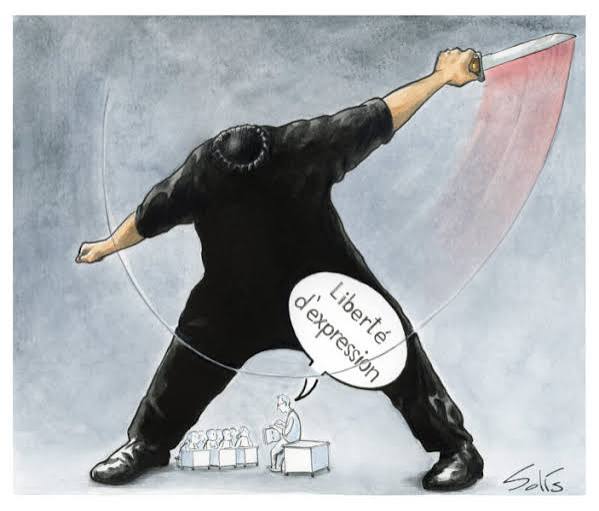
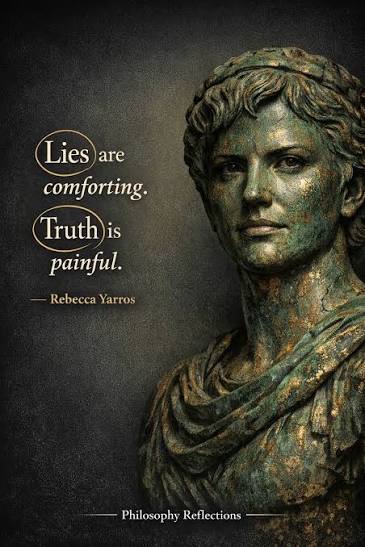
onest people can reach different conclusions based on different experiences and information. Public debate should therefore remain respectful, evidence-based and open to correction. Truth is strengthened by honest examination, not insults, suspicion or personal attacks. The phrase “Truth has no agenda” carries a powerful message. Truth does not belong to any political party, ethnic group, religion or ideology. It cannot be permanently owned or manipulated by those in power. Governments change, institutions rise and fall, and public opinion shifts, but truth remains indifferent to popularity.The real test of character comes when speaking honestly threatens influence, privilege or personal advantage. It is easy to defend justice when there is nothing to lose. It is far more difficult when the truth may cost us something. That is when conscience must rise above convenience.
Society must therefore cultivate a culture where integrity is valued more than comfort and accountability is welcomed rather than feared. Leaders should learn to accept criticism without hostility, while citizens should express disagreement responsibly. Progress becomes difficult when honest questions are treated as acts of disloyalty. Ultimately, every society must choose the future it desires. A nation built on silence cannot sustain justice, while a community where comfort consistently outweighs conscience risks making injustice ordinary. But people committed to truth, even when inconvenient, lay the foundation for stronger institutions, trustworthy leadership and lasting progress. The call is not to condemn those who succeed or to glorify perpetual criticism. It is to remember that privilege should never silence principle, influence should never replace integrity, and personal gain should never outweigh the public good. Truth has no hidden agenda. It seeks neither applause nor favour. It simply asks to be spoken, defended and lived. When truth is silenced by comfort, everyone eventually pays the price.
By: King Onunwor






 News1 day ago
 Oil & Energy1 day ago
 Oil & Energy1 day ago
 Maritime1 day ago
 News1 day ago
 News1 day ago
 News1 day ago
 Maritime1 day ago