
Editorial
COVID-19 2nd Wave As Schools Resume

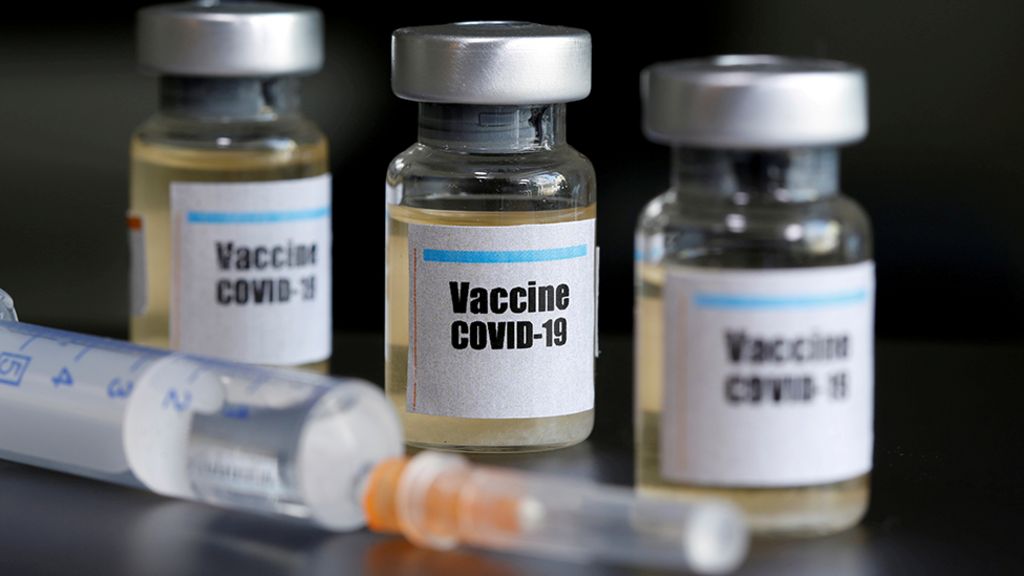
As schools in Rivers State and many others resume for academic activities this month,
there is an urgent need for the federal, state and local authorities to take adequate precautionary measures to curtail further spread of the second wave of the COVID-19 pandemic in Nigeria.
Countries across Europe are observing a resurgence in COVID-19 cases after successfully slowing outbreaks last year, declaring more cases each day now more than they were during the first wave earlier in the pandemic. England, Portugal and Hungary are among nations in a second lockdown as the new wave of infections sweeps through, shattering efforts and responses to keep the contagion at bay.
Following this global upsurge in the pandemic, the Nigerian government, through the Chairman of the Presidential Task Force (PTF) on COVID-19, Boss Mustapha, ordered schools in the country to suspend resumption from the Christmas and New Year break till January 18, 2021. But contrary to the Federal Government’s directive, many states scheduled the first and second weeks of January for resumption.
If there is a time complaisance with the preventive COVID-19 measures have to be rigorously carried out, especially in our institutions, it is now. The enforcement of all safety protocols outlined by the Nigeria Centre for Disease Control (NCDC) in all our schools must not be ignored. There is no basis to relax. Many countries experienced an upsurge in COVID-19 infections after reopening their schools.
In Israel, for instance, where schools were reopened following a noticeable decline in the number of infections, a total of 1,335 students and 691 staff contracted the virus just within two months of resumption and more than 28,000 students and teachers were quarantined. The volume of the spread resulted in the decision of Prime Minister Benjamin Netanyahu to close down no fewer than 125 schools in an aggressive drive to arrest the spread of the virus.
Barely two weeks after the schools were reopened, Israel was compelled to make a new policy, ordering the closure of any school which had recorded at least one case of COVID-19 infection while all students and staff of the school were quarantined. Similarly, Ghana, a neighbouring West African country, which had reported minimal cases of COVID-19 with low fatalities, also witnessed a rise in infection after reopening schools.
The Nigerian government and school authorities should imbibe useful lessons from the cases of Israel and Ghana by making certain that all COVID-19 protocols are not only deliberately put in place, but are also strictly observed. This has become imperative because an outbreak of infections in schools will spell doom for the country.
Acting in line with NCDC’s prescribed rules to ensure safety in schools, the Rivers State Government has made it mandatory for all institutions in the state to install and provide handwashing facilities in the schools including higher institutions and all persons arriving the campus environment must be subjected to temperature checks, among others. These measures were reiterated as schools in the state resumed from the Christmas and New Year vacation.
The move is applauded. But the truth is that only very few public schools in the state, less than five per cent, can meet the guidelines. Many public schools are dilapidated. Pupils and students learn under seriously compromised circumstances. Schools in Rivers State should be equipped with functional sick bays, maintain the acceptable standard number of students in a class, have functional water and sanitation facilities to promote hygiene as directed by the government.
We need to be cautious and heed the Federal Government’s warnings that a significant increase in Coronavirus infections in Nigeria appears imminent by January 2021 due to continued violation of safety protocols. The NCDC reinforced the same that Nigeria would in January 2021 pay the price of violating the COVID-19 protocols. And schools remain the most vulnerable areas. That is why the authorities in Rivers State have to upgrade public schools for necessary observance of the preventive procedures.
Given the rising rate of the virus in the state, we urge the governor, Chief Nyesom Wike, to introduce severe curtailing measures not only in schools but the entire state. Regrettably, most churches, commercial vehicles, and markets have failed to enforce the compulsory wearing of face mask in adherence to COVID-19 protocol, a fact Wike noted in a recent statement, threatening re-imposition of a lockdown.
“When you go to some churches, they don’t wear a face mask. Go to market, they don’t wear a mask. They believe COVID is not real. It’s not real because it has not happened to you; nobody had died whom you know. When somebody has died and the person is close to you, you will know that COVID is real,” Wike said.
It is necessary to intensify awareness for people to take precautions against the pandemic. Nigerians are not taking enough care against the disease. In this moment of economic recession, the country cannot afford a lockdown which might be introduced if preventive measures are not adhered to. The only option is for the people to observe the new normal, which are the COVID-19 protocols to reduce the spread of the virus.
The relevant authorities, particularly the Ministry of Education and their agencies in various states should dispatch their staff on an inspection tour of every school to certify compliance with COVID-19 protocols. The Ministry of Health in each state should equally join in these efforts. Prevention, as conventional wisdom teaches, is always better than cure. But in the case of COVID-19, there is yet no cure!



Nigeria stands at a critical juncture as the world marked World Press Freedom Day (WPFD) on May 3. This annual observance is a reminder that a free press is central to democratic life, good governance, and public accountability. For Nigeria, it is also a moment for sober reflection on how far the country has come and how far it still has to go in safeguarding the independence of its media.
World Press Freedom Day exists to highlight the fundamental importance of freedom of expression and to honour journalists who risk their lives in pursuit of truth. It underscores the idea that without a free press, societies cannot function transparently, nor can citizens make informed decisions. In countries like Nigeria, where democracy continues to evolve, the observance carries particular urgency.
This year’s theme, “Shaping a Future at Peace: Promoting Press Freedom for Human Rights, Development and Security”, places journalism at the heart of global stability. It emphasises that a peaceful society cannot be built on silence, fear, or manipulated information. Rather, it depends on the free flow of accurate, timely, and independent reporting.
At its core, the theme highlights the role of journalism in fostering accountability, dialogue, and trust. These are not abstract ideals. In Nigeria, where public confidence in institutions is often fragile, the media remains one of the few platforms through which citizens can question authority and demand transparency. When press freedom declines, so too does public trust.
Journalism serves as a foundation for peace, security, and economic recovery. Countries with robust media systems tend to attract greater investment, maintain stronger institutions, and resolve conflicts more effectively. Nigeria’s economic challenges, ranging from inflation to unemployment, require open scrutiny and informed debate, both of which depend on a free press.
However, the issue of information integrity has become increasingly complex in the digital age. Artificial Intelligence (AI) and online platforms have amplified the spread of misinformation and disinformation. In Nigeria, where internet penetration has grown rapidly, false narratives can travel faster than verified facts. This makes the role of credible journalism more vital than ever.
The challenge is not only technological but also ethical. AI-driven manipulation of information threatens to distort public discourse, influence elections, and deepen social divisions. In such an environment, professional journalism must act as a stabilising force, ensuring that truth prevails over sensationalism and propaganda.
Equally troubling is the safety of journalists. Across Nigeria, reporters face growing levels of online harassment, judicial intimidation, and physical threats. Self-censorship is becoming more common, as media practitioners weigh the risks of reporting sensitive issues. This trend undermines the very essence of journalism.
A particularly alarming incident involved a serving minister in the present administration, who openly threatened to shoot a journalist during a televised exchange. Such conduct, broadcast to the public, sends a dangerous signal that hostility towards the press is acceptable. It erodes the norms of democratic engagement and places journalists in harm’s way.
This year’s theme aligns closely with the United Nations Sustainable Development Goal (SDG)16, which promotes peace, justice, and strong institutions. Freedom of expression is a cornerstone of this goal. Without it, institutions weaken, corruption thrives, and justice becomes elusive. Nigeria’s commitment to SDG 16 must therefore include genuine protection for the media.
Historically, the Nigerian press has been a formidable force. From resisting colonial rule to challenging military dictatorships, our journalists have played a central role in shaping the nation’s political landscape. Today, however, that legacy appears to be under strain, as the media operates under what can best be described as a veneer of freedom.
Beneath this facade lies a troubling reality. Journalists are routinely harassed, detained, and prosecuted for performing their constitutional duties. Reports from media watchdogs indicate that dozens of Nigerian journalists face legal threats or arrest each year, often for exposing corruption or criticising those in power.
The Cybercrimes (Prohibition, Prevention, etc.) Act of 2015 has become a focal point of concern. Originally intended to combat cyber threats, it has increasingly been used to silence dissent. Sections 24 and 27(1)(b), in particular, have been invoked to target journalists, bloggers, and social commentators.
Although amendments introduced in February 2024 were meant to safeguard journalists, concerns persist. The law continues to be wielded in ways that stifle investigative reporting and restrict freedom of expression. Legal reforms must go beyond cosmetic changes to address the root causes of misuse.
To safeguard the future of journalism in Nigeria, decisive action is required. The Cybercrimes Act must be revisited to ensure it cannot be weaponised against the press. Law enforcement agencies must operate free from political influence, upholding the rule of law and protecting journalists’ rights. Civil society and international partners must also strengthen independent media through funding, training, and platforms for wider reach.
In this rapidly evolving world shaped by artificial intelligence and digital innovation, Nigeria faces a clear choice. It can either allow press freedom to erode under pressure, or it can champion a truly independent media landscape. The path it chooses will determine not only the future of journalism, but also the strength of its democracy and the peace it seeks to build.

-

 Featured1 day ago
WASSCE: RSG Distributes Science Materials To Secondary Schools
-
News1 day ago
Xenophobic Attacks: Nigerian Lives More Important Than Foreign Investment – Oshiomhole
-
Rivers1 day ago
MBA Forex Trial Adjourn To June 3, Amid Bereavement … As Court Declines Cost Application
-
News1 day ago
ActionAid Demands Probe Of Govs Using Public Funds For Campaign
-
Aviation1 day ago
Passengers Stranded As Delta Airline From Atlanta Route Back Eight Hours After
-
Business1 day ago
Customs Impound N2.35bn Cocaine, 15 Trailers of Rice
-
Politics1 day ago
2027: Bayelsa Senator Gets Critical Endorsement For Second Term
-

 Politics1 day ago
INEC Sets Rivers South-East Senatorial By-Election For June 20