
Opinion
Towards Clean And Safe Environment

We need to be reminded once again that our environments need
to be protected from degradation and continuous depletion of the ozone layer,
particularly as we live in a time and age when global warming and rising temperature,
coupled with gaseous emissions from
industries and vehicles, all culminating in climate change, affect all regions
of the world today.
What with the tsunamis, tidal waves, cyclones, hurricanes,
landslides, flooding, erosion, heat waves, drought, wild fibres,
desertification etc? These and more are
some of the effects of global warming and climate change on our environment. It
is therefore necessary for Nigerian government to put in place policies that
would safeguard our wetlands including creeks, rivulets, canals and other
waterways in our urban areas and cities to help stem erosion and flooding, as
well as maintain a safe environment for all and sundry.
For instance, in many of our cities today, many areas that
should be preserved or kept as wetlands or serve as channels for waterways to
drain water after heavy rainfall have been taken over by construction
activities in the name of urbanisation. This has made difficult for water to
drain or empty out after heavy downpour, thus causing flooding and erosion,
which in turn causes untold hardships and disaster to residents and many urban
dwellers.
Now that we are in the rainy season, blocked drains are
supposed to be cleared and de-silted. Also, the various canals, creeks should
be dredged, while the over- grown weeds that have taken over the banks of these
channels including illegal, indiscriminate dumping of refuse and other waste
materials ought to be cleared and properly evacuated.
Nigerians should be wary of the experiences of Lagos State
last year when they experienced a high
magnitude of flooding twice in the year after continuous torrential rainfall
that lasted hours. Indeed, all the coastal States and towns including Calabar,
Eket, Warri, Bonny, Yenagoa, Excravos etc should put in necessary measures to
prevent the Lagos experience especially in the face of the predictions of the
Nigerian Meteorological Agency (NIMET) that there will be more rainfall and
thunderstorms in 2012.
It therefore behoves Nigerians to take precautionary
measures and safety measures to protect their houses, properties etc. from
violent thunderstorms and other effects of climate change like the expected
landslides, flooding, severe rainfalls and the like. We know that violent
thunderstorms wreak a lot of havoc and destruction to buildings particularly
residential houses, offices, trees and other tall structures like masts or
towers etc. Also, when there is severe rainfall, visibility becomes almost
impossible especially for motorists driving through our roads. The aviation
sector is mostly affected. There is usually cancellation of flights or flight
delays by various airlines due to bad weather, and lack of proper communication
signals.
It is pertinent to note that severe rainfall, violent
thunderstorms and other effects of climate change come with attendant cases of
health hazards that affect mostly urban dwellers and sometimes rural
inhabitants. Take the case of the Lagos flooding last year for example, there
were casualties; many people were rendered homeless. The flood led to the
spread of air and water borne communicable diseases like cholera, malaria,
pneumonia etc. Vehicles and valuable properties were destroyed by the flood,
leaving its victims more impoverished.
Like an adage that says a stitch in time saves nine, we, as
a people, have to put our hands on deck to check flood. We all need to work to
protect and safeguard our environment from these vagaries and dangers; first
and foremost, by changing our attitude and re-orientating our mindset and
behaviour towards the environment and environmental related matters. For
instance, we should always ask ourselves when we want to commit an act or take
any action, if it is in the overall best interest of us and our environment, or
if it constitutes a hazard and danger to the environment.
Most Nigerians have the habit of dumping refuse – solid
wastes in drains, canals or rivers. We really need to have a rethink on that.
Some industrial organisations discharge effluents and toxic chemicals into our
rivers and creeks, thereby polluting our waters. Also, the many cases of oil
spills and pollution by oil companies
contribute in making the environment unfriendly for human habitation,
animals and aquatic life.
As a matter of urgency and seriousness, government should
enforce strict respect for the environment and compliance with laid down
legislations by citizens and industrial organisations, including oil companies.
Any act of violation by any offender should attract the full wrath of the law
with no sacred cow. That is the more reason why Environmental Impact Assessment
(EIA)must be carried out on any site or project earmarked for construction,
pipeline laying, communication installation, roads etc. In order to make
environment suitable for our ecosystem and bio-diversity, as well as boost
social and economic well-being of our immediate community and the society at
large, Nigerians should embrace better environmental attitude to keep our
environment clean and safe.
Ayooso is a Port Harcourtbased public policy analyst.
Samson Ayooso



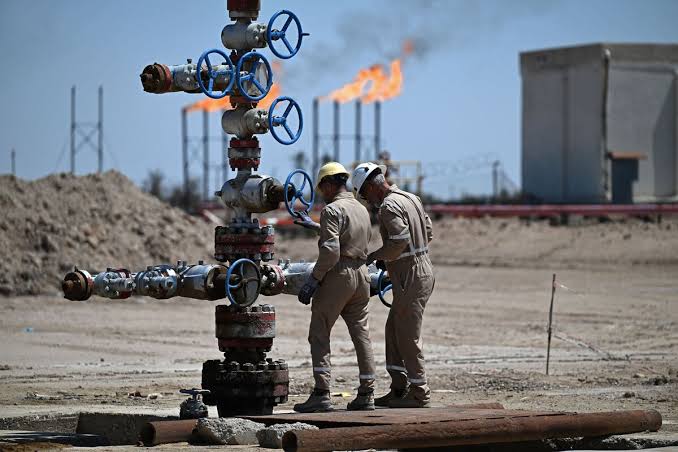
Quote: “No oil vessel, commercial contract or operational deadline is worth the loss of innocent lives; where environmental grievances are ignored and dialogue gives way to confrontation, the entire society pays a price that no compensation can adequately erase.”

Quote:”The value of wealth is
Will and gifts are subjects
A Will is an important legal
Where documentation is
This does not mean every
Properly completed lifetime
Property owners must also
My appeal is simple: let us
-

 Niger Delta13 hours ago
Diri Restates Stance On Lagos-Calabar Coastal Highway
-

 Niger Delta13 hours ago
C’River, NUJ Pay Tribute To Late Guardian Editor
-

 News14 hours ago
NDLEA Recovers Tons Of Illicit Drug Consignments In Nine States
-

 Opinion12 hours ago
Checking Voter Apathy In Nigeria’s Electoral Process
-

 Sports10 hours ago
Nigerian Trio Target Titles At PFL Africa Finals
-

 Education10 hours ago
FCE Yola Graduates 3,555 Teachers , Seeks Upgrade to University
-

 Politics10 hours ago
2027: DICKSON’S EX-ALLY VOWS TO WORK AGAINST NDC INTEREST IN BAYELSA
-

 Politics10 hours ago
2027: GROUP PLEDGES 40,000 SUPPORTERS FOR COALITION CANDIDATES IN RIVERS