
Business
AfCTA: $450bn Potential Income Gains At Stake – Osinbajo

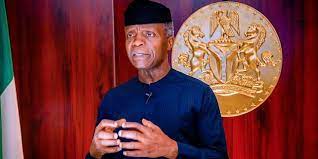
Vice President Yemi Osinbajo says there is a potential income gain of up to 450 billion dollars from the African Continental Free Trade Area (AfCFTA).
Osinbajo’s spokesman, Laolu Akande, in a statement on Wednesday in Abuja, said the vice president spoke virtually at the closing of the 2021 Conference of African Insurance Practitioners.
He said that amidst monumental challenges posed by climate change, particularly energy transition and related issues, the coming decade anchored on AfCFTA offered great opportunities for Africa’s socio-economic transformation.
Osinbajo urged African insurance practitioners to leverage opportunities in the AfCFTA,
“Every smart economic grouping, whether governments or businesses, must be thinking, planning and strategising for these new times.
“The free trade agreement presents a major opportunity for African countries, as the theme of conference is, “Rebuilding Africa’s Economy: An Insurance Perspective”.
“By some estimates, if we get it right, we can bring several millions out of extreme poverty and raise the incomes of 68 million others who live on less than 5.50 dollars per day.
“There are potential income gains of up to 450 billion dollars, and just cutting red tape and simplifying customs procedures alone could drive up to 250 billion dollars of that sum.”
He said that all amounted to plenty opportunities for the insurance industry in Africa.
The vice president said it entailed more trade in goods which would mean greater need for insurance services; brokers, in particular, should expect a boon.
“Demand for trade facilitation services will rise, but obviously companies that already have market presence in other African countries, even if by collaboration, will benefit more than others.
“We can expect to see more well capitalised insurance providers from other African countries coming to compete in the Nigerian market.
“And we shouldn’t be surprised if this happens quickly.
“Services can be set up faster than manufacturing plants. Nigerian financial services companies, especially banks, are already in many African Countries, the likes of Zenith, Access, UBA.
“How about Insurance companies? We should now be looking at developing homegrown international African insurance conglomerates; the time is now.”
On the issue of climate change, Osinbajo probed on how the African insurance industry prepared for the interesting days ahead.
He made a reference to a Mackenzie podcast transcript.
“It was quite eye opening; while there will obviously be opportunities for new insurance products and solutions, especially in the property and casualty segment of the business, insurance companies must also be prepared for the systemic nature of climate-induced damage, with the possibilities of market failures and more system-wide destabilisation.
“Here in Nigeria, the growing intensity of flooding and damage to vast agricultural acreages might have a knock-on effect on other areas of the economy.
“Further slump in the economy is bad for everyone, even insurers.”
Osinbajo said that for Africa, there was perhaps a more significant challenge.
He said that in the past two years, the wealthier countries, after building their own economies on fossil fuels, had started banning or restricting public investments in fossil fuels, including gas.
“Seven European countries, including France, Germany, and the UK, announced that they would halt public funding for certain fossil fuel projects abroad.
“Also, the World Bank and other multilateral development banks are being urged by some shareholders to do the same.
“The African Development Bank, for instance, is increasingly unable to support large natural gas projects.
“Already, some OECD based insurance companies are already committing to reducing their commitments to carbon intensive industries by 2030.”
He explained the implication of the trend on Africa’s growing oil and gas markets.
“I think African insurance companies must now speak and act differently.



Business
Jonathan, Diri, Others Laud Firm’s Milestone in Bayelsa …Says Project Will Drive Industrialisation, Create Jobs



-

 News2 days ago
RSG Targets Nine Million Residents in Mosquito Net Distribution Campaign
-

 Oil & Energy2 days ago
Aiyedatiwa Signs New Electricity Bill
-

 Oil & Energy2 days ago
NLNG Commissions Research And Innovation Centre In RSU
-

 Maritime2 days ago
Marine Minister Commends President Tinubu On NPERA Bill Assent
-

 News2 days ago
KenPoly Holds Eight Convocations, August 29
-

 News2 days ago
RSG Begins Another Phase of Projects Commissioning Today
-

 News2 days ago
RMAFC Completes Revenue Sharing Review, Proposes New Pay
-

 Maritime2 days ago
NAGAFF Petitions IGP Over Alleged Maritime Police Harassment