
Business
FG Spends N13trn On Subsidy, Sets Guideline For Removal

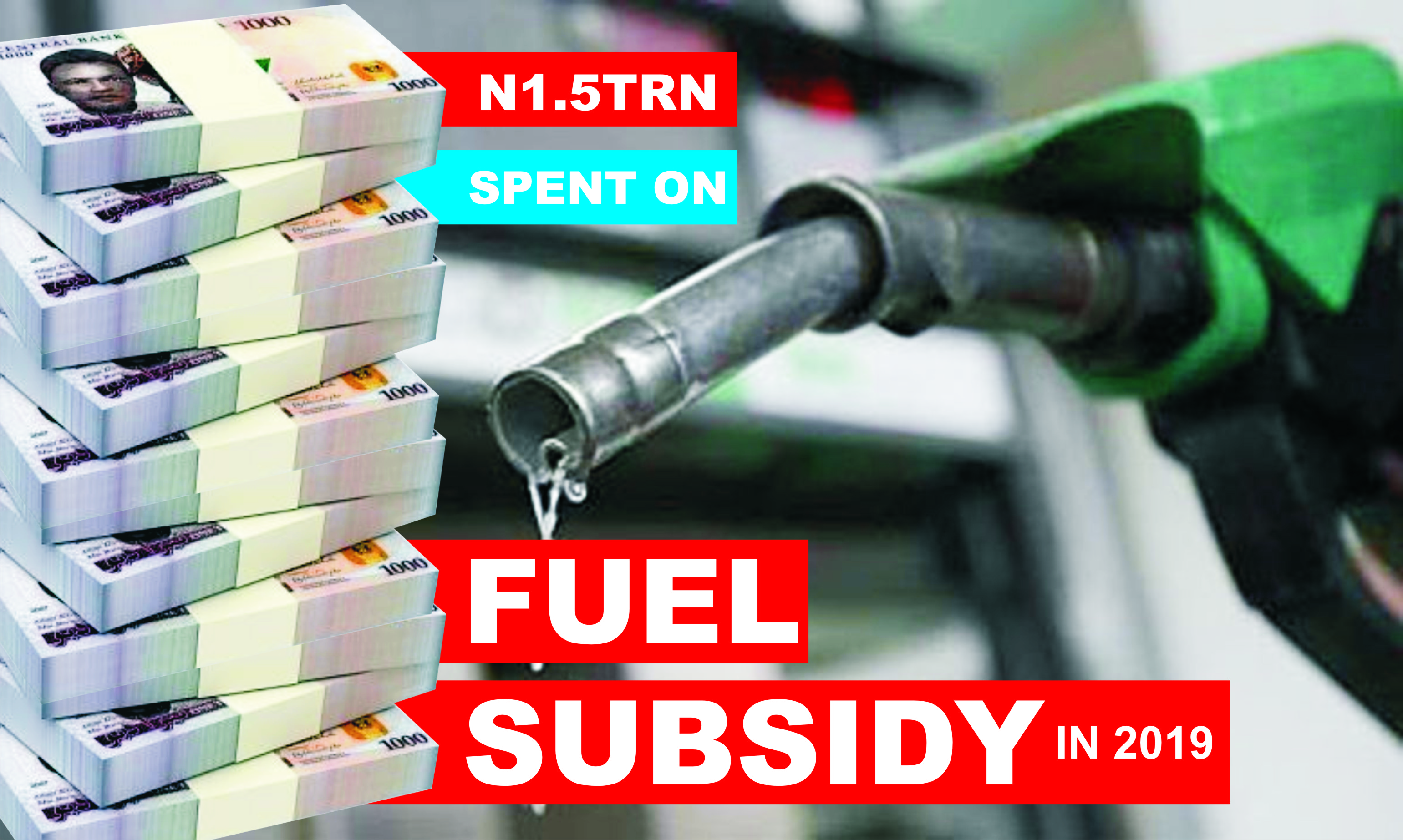
The Federal Government has said it was developing a comprehensive guide for the incoming administration of Bola Tinubu, on how to manage the removal of subsidy on Premium Motor Spirit (PMS), popularly called petrol.
The Government also stated that the regime of the outgoing President, Muhammadu Buhari, had done well in managing fuel subsidy, even as Nigeria spent over N13trilion subsidising PMS between 2005 and 2021.
Speaking at the unveiling of the 2022-2026 Strategic Plan of the Nigeria Extractive Industries Transparency Initiative, in Abuja, Secretary to the Government of the Federation, Boss Mustapha, said the Federal Government had been following the debates around subsidy removal by citizens.
He said some of the debates include the need to fix Nigeria’s refineries and the creation of visible safety net programmes to reduce the impact on the poor and vulnerable in the society, especially workers.
“There is also the strong argument on adequate mechanisms to be put in place to ensure that the revenues that will be accruing from the subsidy removal are prudently managed and channeled to the development of key infrastructure and other areas of national development.
“Let me use this opportunity to reassure Nigerians that the Federal Government has followed these conversations with keen interest having borne the burden of fuel subsidy over these years.
“While we remain open to the ongoing debate, a comprehensive position to guide the incoming administration on when and how to make this decision is being developed by the Presidential Transition Council which I currently head”, Mustapha said.
Represented by a Permanent Secretary from the Office of the Secretary to the Government of the Federation, Maurice Mbaeri, Mustapha stated he had no doubt that the incoming administration would “consider our position on the issue and make an informed decision in the overriding public interest.
“However, I must state that the Buhari administration has done excellently well in managing the subsidy burden in-spite of the complex challenges it has posed to the economy over these years, putting at the forefront of its considerations, the welfare and needs of the average Nigerian”.
The SGF said he had carefully studied the NEITI policy advisory on fuel subsidy that was forwarded to his office and commended the agency for the in-depth research and outline of options to assist the government in making a decision on the subsidy removal debate.
“From that policy advisory, over N13tn is documented to have been expended on the payment of subsidy between 2005 – 2021. The figure in relative terms is equivalent to Nigeria’s entire budget for health, education, agriculture, and defence in the last five years, and almost the capital expenditure for 10 years between 2011 2020.
“I guess that this could be more if we compute in financial terms other economic and opportunity costs to the nation. These include the slashing of allocations for the health, education, and technology infrastructure sectors; deterioration of the downstream sector with the declining performance of Nigeria’s refineries, a discentivised private sector investment in the down and mid-stream petroleum sector.
“It also include the low employment generation since the refining process is done outside the shores of Nigeria and inefficient supply arrangements which often leads to scarcity and its attendant queues, etc”, he said.



Business
Jonathan, Diri, Others Laud Firm’s Milestone in Bayelsa …Says Project Will Drive Industrialisation, Create Jobs



-

 News4 days ago
RSG Targets Nine Million Residents in Mosquito Net Distribution Campaign
-

 Oil & Energy4 days ago
Aiyedatiwa Signs New Electricity Bill
-

 Oil & Energy4 days ago
NLNG Commissions Research And Innovation Centre In RSU
-

 Maritime4 days ago
Marine Minister Commends President Tinubu On NPERA Bill Assent
-

 News4 days ago
KenPoly Holds Eight Convocations, August 29
-

 News4 days ago
RSG Begins Another Phase of Projects Commissioning Today
-

 News4 days ago
RMAFC Completes Revenue Sharing Review, Proposes New Pay
-

 Maritime4 days ago
NAGAFF Petitions IGP Over Alleged Maritime Police Harassment