
Business
Telcos Begin Harmonised Shortcodes Implementation

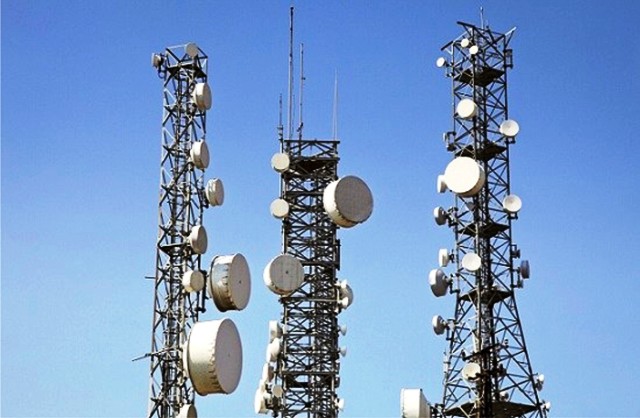
The Association of Licensed Telecoms Operators of Nigeria (ALTON) has commenced harmonisation of short codes across all networks.
This is in response to a regulatory modernisation initiative by the Nigerian Communications Commission (NCC), aimed at implementing a streamlined process for common shortcodes across the industry,
It is done by making life easier for Nigerians through the memorisation of single codes, for various services across all networks, and providing a cohesive regulatory framework that is consistent with global best practices.
A statement by ALTON jointly signed by its National Chairman, Engr. Gbenga Adebayo, and Head of Operations, Gbolahan Awonuga, said following the directive from NCC, “the Network Operators have begun implementing the shortcodes, working closely with the NCC.
“The Commission has provided adequate time for subscribers to get used to this new development. We are confident this will enhance customer experience across networks”.
During migration, which is to be concluded by 17th May, 2023, old and new common codes will run concurrently, after which the old codes will cease to operate.
The proposed harmonised shortcodes are: Call Center/Help Desk – 300, Voice Mail Deposit – 301, Voice Mail Retrieval -302, Borrow Services – 303, STOP Services – 304, Check Balance – 310, Credit Recharge – 311, Data Plan – 312, Share Services – 321, Data Plan Balance – 323, Verification of SIM Registration/ NIN – SIM Linkage – 996, and Porting Services (MNP) – 2442.
According to NCC, the harmonisation of shortcodes entails making the common shortcodes utilised by customers to be uniform across all networks. For instance, the code for recharging a line can be used across all mobile networks for the same function.



-
Politics3 days ago
2027: NIGERIANS FAULT INEC ON DIGITAL MEMBERSHIP REGISTER DIRECTIVE
-

 Environment3 days ago
LAWMA Director Says Sweeping Reforms Have Improved Waste Collection
-
Politics3 days ago
LP Crisis: Ex-NWC Member Dumps Dumps Abure Faction
-

 Politics3 days ago
Umahi Dismisses Allegations On Social Media, Insists On Projects Delivery
-

 Sports3 days ago
Abia Not Sure To Secure continental Ticket
-
Politics3 days ago
NATASHA ELECTRIC VEHICLES INITIATIVE IN KOGI CENTRAL
-
Sports3 days ago
La Liga: Yamal Records First Career Hat-trick
-
Politics3 days ago
IT’S A LIE, G-5 GOVS DIDN’T WIN ELECTION FOR TINUBU – SOWUNMI