
Business
FG Borrows N24trn From CBN Amid Fiscal Risks

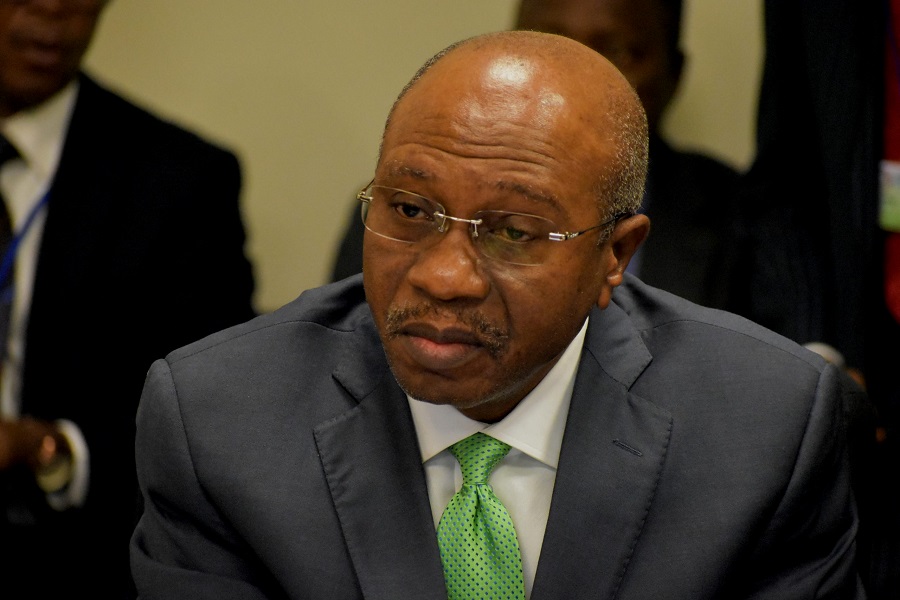
Federal Government of Nigeria has borrowed N6.31trillion from the Central Bank of Nigeria (CBN) through Ways and Means Advances in 10 months.
This amount has increased the total amount the Federal Government got from the CBN from N17.46trillion in December 2021 to N23.77trillion in October 2022.
It does not include the N23.77trillion the Federal Government is already owing CBN that is part of the country’s total public debt stock, which stood at N42.84trillion as at June 2022, according to the Debt Management Office.
The public debt stock only includes the debts of the Federal Government of Nigeria, the 36 state governments, and the Federal Capital Territory.
Ways and Means Advances is a loan facility through which the CBN finances the shortfalls in the government’s budget.
Section 38 of the CBN Act, 2007, states that the CBN may grant temporary advances to the Federal Government with regard to temporary deficiency of budget revenue at such rate of interest as the bank may determine.
The Act read in part, “The total amount of such advances outstanding shall not at any time exceed five per cent of the previous year’s actual revenue of the Federal Government.
“All advances shall be repaid as soon as possible and shall, in any event, be repayable by the end of the Federal Government financial year in which they are granted and if such advances remain unpaid at the end of the year, the power of the bank to grant such further advances in any subsequent year shall not be exercisable, unless the outstanding advances have been repaid.”
The CBN, however, said on its website that the Federal Government’s borrowing from it through the Ways and Means Advances could have adverse effects on the bank’s monetary policy to the detriment of domestic prices and exchange rates.
“The direct consequence of central bank’s financing of deficits are distortions or surges in the monetary base leading to adverse effects on domestic prices and exchange rates i.e macroeconomic instability because of excess liquidity that has been injected into the economy,” it said.
The apex bank had last November warned the Federal Government against financing deficits by borrowing from the CBN through the Ways and Means Advances, saying this putd fiscal pressures on the country’s expenditures.
Despite warnings from experts and organisations, the Federal Government has kept borrowing from the CBN to fund budget deficits.
The Tide source noted that the Federal Government paid an interest of N2.03trillion from January 2020 to November 2021 on the loans it got from the CBN through the Ways and Means Advances.
It was also reported that the Federal Government paid an interest of N405.93billion from January 2022 to April 2022 on the loans it got from the CBN.
Managing Director/Chief Executive Officer of Cowry Asset Management Limited, Mr Johnson Chukwu, recently said the Central Bank’s lending to the government was putting pressure on the exchange rate and the inflation rate, with “liquidity that has no productivity attached to it coming into the system.”
An economist, Dr Aliyu Ilias, criticised the government for its constant reliance on borrowing, which was unhealthy for the economy.
He further urged the government to seek better ways of generating revenue rather than persistently borrowing from the apex bank.


