
Niger Delta
NGO, Firm Partner On Environmental Safety In N’Delta

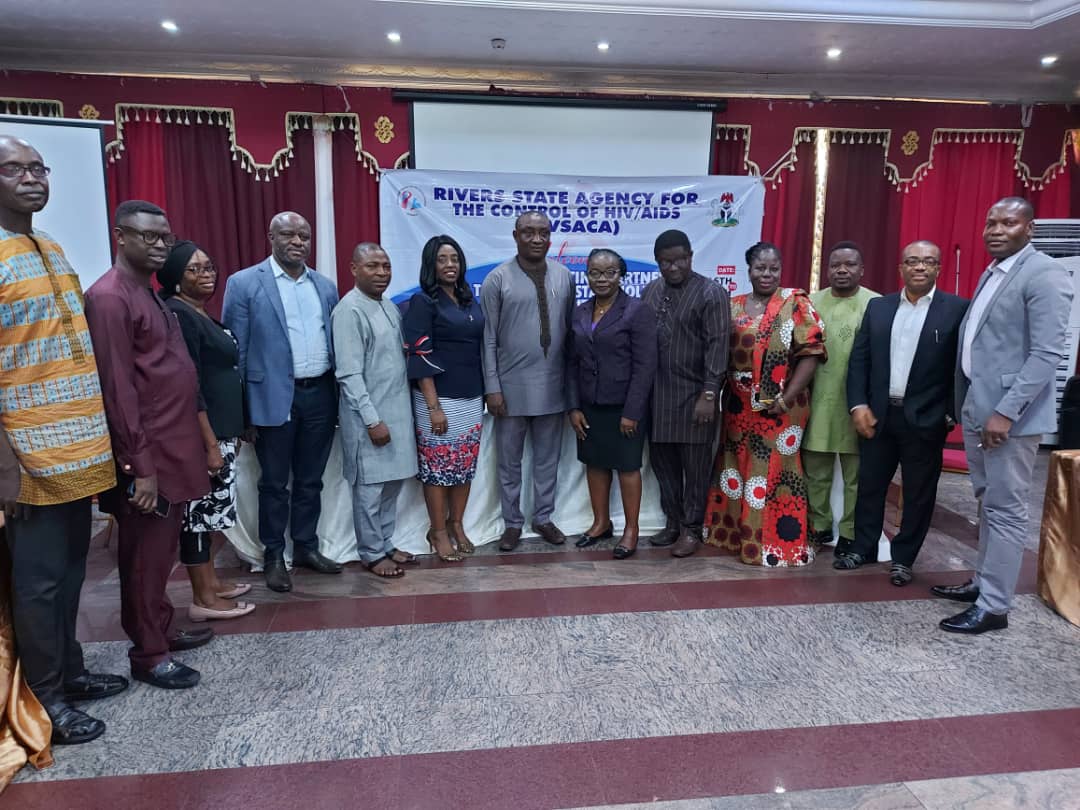
A non-governmental organisation, Stakeholders Alliance for Corporate Accountability (SACA), the Nigerian Agip Oil Company (NAOC) and governmental institutions have re-emphasized the need for safe and healthy environment in the oil-rich Niger Delta region.
The Tide gathered this at the inauguration ceremony of the United Nations Guiding Principles on Business and hiuman Rights (UNGP-P2R) programme, which was held by the SACA in conjunction with NAOC, in Yenagoa, the Bayelsa state capital.
In his keynote address, the Executive Director of SACA, Mr Kingsley Ozegbe, decried the spate of oil spills in the Niger Delta region, emphasizing that the danger it portends on the environment and human life is worrisome.
He noted that following SACA’s quest in curbing the hazards related to oil spills, it had gone into partnership with the oil firm(NAOC), towards finding lasting solutions through campaigns against oil spillages in the Niger Delta region.
Ozegbe said as a result of the NGO’s willingness to take the campaign against oil spills and the resultant hazards on the Environment and human life to the nooks and crannies of the Niger Delta region, SACA and NAOC intend to carry on the project for a three year period, saying the first phase of the partnership was to refocus the attention of the Niger Delta Communities on Agricutural businesses, especially on cash crops production.
The SACA boss hinted that about 70 Communities would be engaged in the first phase of the programme, noting that it promises to be beneficial to all, including the unborn generations.
“Today’s gathering marks another great effort towards addressing a common problem that is facing humanity in this region.
“This project was jointly conceived in April, 2020 by our organization (SACA), and the NAOC, to contribute to the implemention of Ruggie Principles under the leadership of the United Nations Business and Human rights Working Group (UNGP).
“We’ve structured the project on the tripod of the UNGP framework that seek to protect, respect and remedy human rights breaches. The project is published in the website of the office of United nations High Commissioner for human rights.
“It is framed to be implemented through multi-stakeholders and non-violent approaches. Partnering organizations include agencies, commissions, security architecture of the Federal Government of Nigeria, the Bayelsa State Government, international research institutes, financial institutions, civil society organizations and the media”, he said.
The Executive Director who decried the heightening risk associated with oil and gas activities in the Niger Delta region, also restated that over 40 organizations would be working with SACA at different times towsrds bringing the needed outcomes that would ultimately change the narratives of oil spills across the Niger Delta region.
He stressed that due to the environmental hazards of spills and other problems linked to oil and gas in the region, investments were diminishing in the Niger Delta yearly.
“Currently, the risk associated with oil and gas activities in the Niger Delta region are heightening and investment climate is dimming.
“The oil spillages into the environment is becoming very alarming, thus, it calls for stronger teamwork to safeguard humanity and improve the environment so as to attract investors in order to create opportunities to absorb the working population that is surging on daily basis”, the SACA boss added.
Speaking with newsmen shortly after the programme, the Bayelsa State Commissioners of Agriculture and Natural Resources, Chief David Alagoa, and his Environment counterpart, Iselema Gbaranbiri, represented by the Permanent Secretary, Ministry of Environment, Mr Martin Waripamo and Director, Agricutural Services, Dr. Okoya Ebasi, respectively, commended SACA and the oil firm for the programme, promising that the State Government was ready to continue partnering the NGO in their awareness and enlightenment projects across the State.
Giving an overview of the expected benefits of the three UNGP-P2R Committees inaugurated, the SACA Executive Director stated that the Agricutural Management committee (AMC), would function to increase cash crop production, increase food production,increase aquaculture production, and also Increase value-addition.
The EMC, on its part, is to increase awareness to the hazards associated with human exposure to crude oil pollution and its impact on human rights, improve understanding of gatekeepers to sustain advocacy against oil pollution in Communities, sustain access to better health, clean water and sanitation by right holders, etc.
The NGO also noted that the expected benefits of the HRD would include improved awareness of laws and human rights instruments that binds state, organized arm groups, individuals, security personel and actors on armed conflict in 24 Communities, reduce restiveness and willful damage of oil facilities in Communities and to sustain access of entitlement through right-handed approach, as well as to strengthen knowledge of the human rights due diligence/alternative dispute resolution syst, SACA peace building process, and the NAOC grievance mechanisms, in Communities, amongst others.
High points of the programme were the inaugurations of the Environmental Management Committee (EMC), the Agricutural Management Committee (AMC), as well as the Human rigthts due deligence Committee (HRD), respectively, while participants were drawn from both the public and private sectors.
The Tide reports that the NGO and SACA are funded by Misean Cara of the Republic of Ireland.
By: Ariwera Ibibo-Howells, Yenagoa



-

 Politics4 days ago
Senate Urges Tinubu To Sack CAC Boss
-

 News4 days ago
Amend Constitution To Accommodate State Police, Tinubu Tells Senators
-

 News4 days ago
Disu Takes Over As New IGP …Declares Total War On Corruption, Impunity
-
Business4 days ago
Crisis Response: EU-project Delivers New Vet. Clinic To Katsina Govt.
-
Business4 days ago
President Tinubu Approves Extension Ban On Raw Shea Nut Export
-
Business4 days ago
President Tinubu Extends Raw Shea Nuts Export Ban To 2027
-
Business4 days ago
Fidelity Bank To Empower Women With Sustainable Entrepreneurship Skills, HAP2.0
-
Sports4 days ago
NDG: Rivers Coach Appeal To NDDC In Talent Discovery