
Business
FG Targets $40bn Investment In Digital Infrastructure By 2025

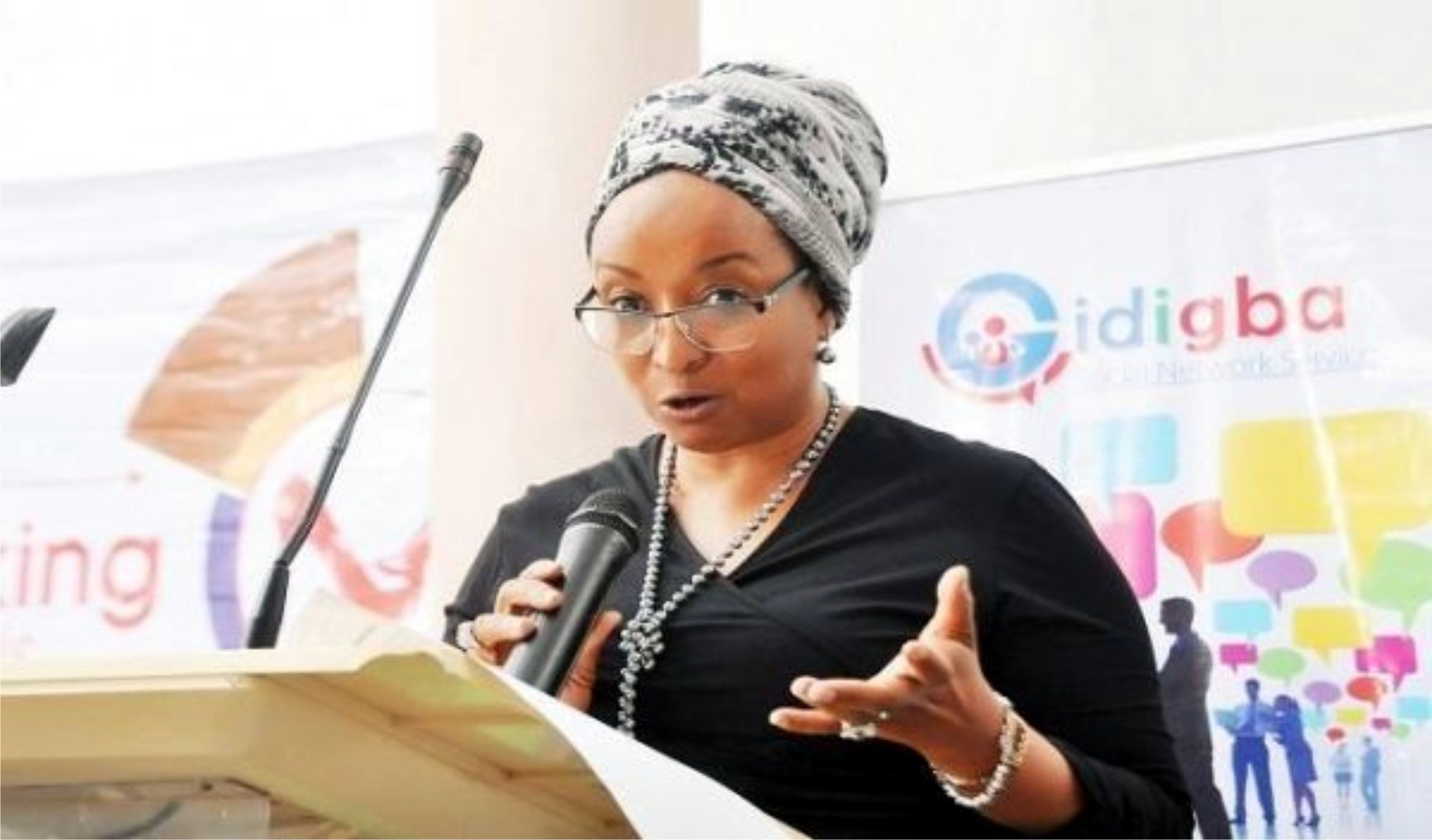
The Federal Government says it expects $40bn in private capital investments in digital infrastructure by 2025.
The government disclosed this in its ‘National Development Plan 2021-2025: Volume I.’
It said, “To achieve the goals outlined in the sector, the estimated public investment is N150bn from 2021-2025. Allocations will be made to priority projects in the sector as well as projects essential to the operations of the relevant ministries.
“In addition, the ICT sector is projected to facilitate the formation of up to $1bn in private equity and private capital investments in digital infrastructure of approximately $40bn”.
According to the government, to unleash Nigeria’s potential for industrialisation and sustainable economic growth, it will take measures to digitise the economy and make digitalisation a key driver of national economic development strategies.
It said it would grow the digital economy from 10.68 per cent to 12.54 per cent and improve e-governance by 100 per cent by 2025.
It added that to unleash the nation’s digital economic objective, it would need to improve legal framework of the sector through policy amendment and implementation; drive investment for infrastructural development through public funds and blended financing; prioritise skills development through the promotion of STEM and digital technology education; and drive local and foreign investments.
The government said, “There has been a gradual global transition to a fourth industrial revolution through the diffusion of digital technologies encapsulated in 5G, cybersecurity, artificial intelligence, machine learning, robotics, Internet of Things, computer vision, etc.
“These global trends have created an urgency for Nigeria to improve its digital and technological capacity in order to generate innovations that will enable Nigeria to harness the benefits of digitalisation for economic development and competitiveness.
“For economies to build resilience in a fast-paced, and ever-changing global environment, there is a need for a robust digital, ICT, and R&D ecosystem to drive innovation and continuous adaptability for sustainable economic growth.
“With its teeming, young, and tech-savvy population, and increased investor interest, Nigeria holds the potential to become a leading technological powerhouse and boost productivity across its economic sectors”.



Business
NAFDAC Decries Circulation Of Prohibited Food Items In markets …….Orders Vendors’ Immediate Cessation Of Dealings With Products


Importers, market traders, and supermarket operators have therefore, been directed to immediately cease all dealings in these items and to notify their supply chain partners to halt transactions involving prohibited products.
The agency emphasized that failure to comply will attract strict enforcement measures, including seizure and destruction of goods, suspension or revocation of operational licences, and prosecution under relevant laws.
The statement said “The National Agency for Food and Drug Administration and Control (NAFDAC) has raised an alarm over the growing incidence of smuggling, sale, and distribution of regulated food products such as pasta, noodles, sugar, and tomato paste currently found in markets across the country.
“These products are expressly listed on the Federal Government’s Customs Prohibition List and are not permitted for importation”.
NAFDAC also called on other government bodies, including the Nigeria Customs Service, Nigeria Immigration Service(NIS) Standards Organisation of Nigeria (SON), Nigerian Ports Authority (NPA), Nigerian Maritime Administration and Safety Agency (NIMASA), Nigeria Shippers Council, and the Nigeria Agricultural Quarantine Service (NAQS), to collaborate in enforcing the ban on these unsafe products.
-

 Politics3 days ago
Senate Receives Tinubu’s 2026-2028 MTEF/FSP For Approval
-

 News3 days ago
RSG Lists Key Areas of 2026 Budget
-

 Sports3 days ago
New W.White Cup: GSS Elekahia Emerged Champions
-

 News3 days ago
Dangote Unveils N100bn Education Fund For Nigerian Students
-

 News3 days ago
Tinubu Opens Bodo-Bonny Road …Fubara Expresses Gratitude
-
Sports3 days ago
Players Battle For Honours At PH International Polo Tourney
-

 Sports3 days ago
AllStars Club Renovates Tennis Court… Appeal to Stop Misuse
-
News3 days ago
Nigeria Tops Countries Ignoring Judgements -ECOWAS Court