
Editorial
Advancing The Cause Of Women (1)

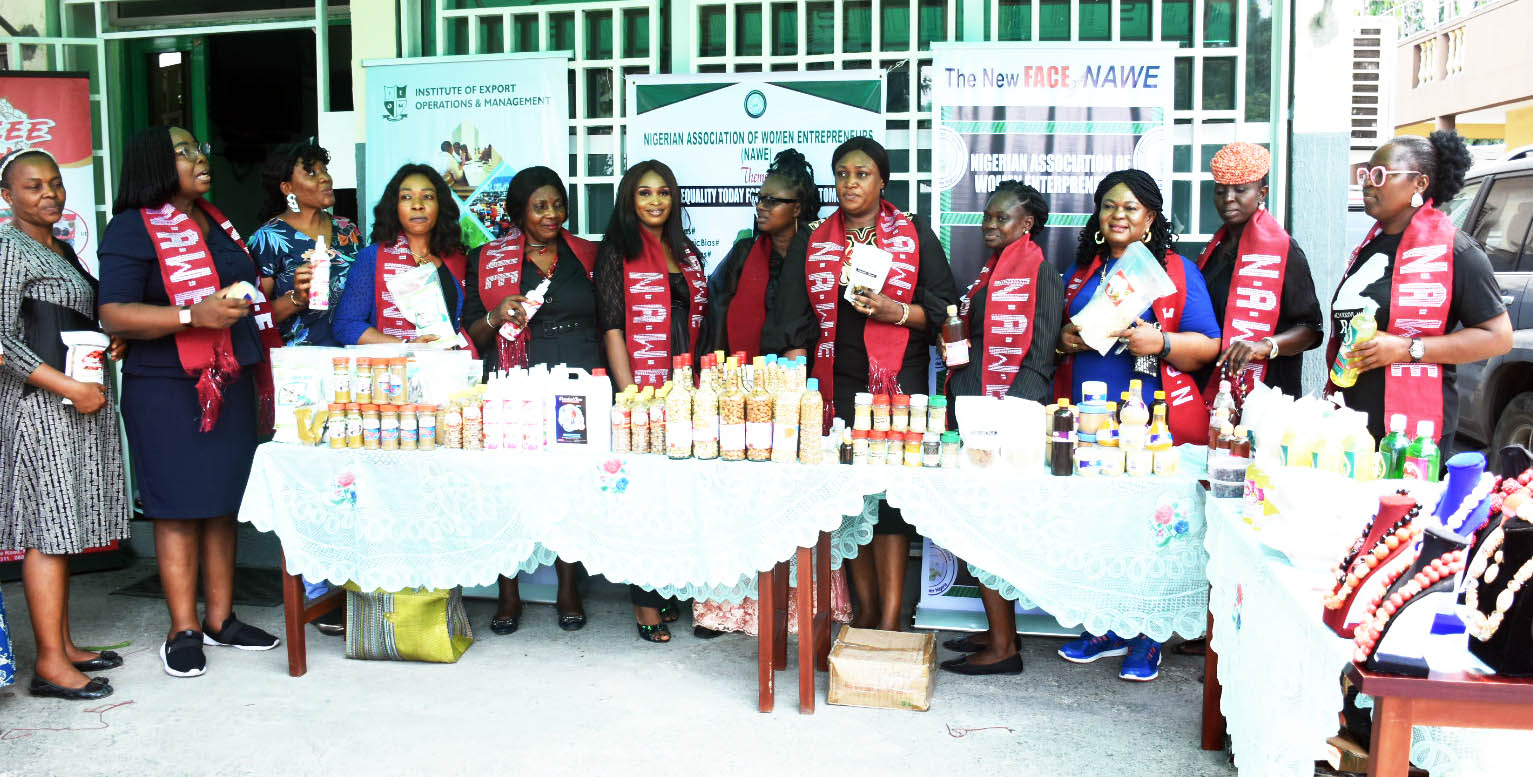
Tomorrow, March 8, marks this year’s International Women’s Day (IWD). It is impressive that the annual event aims to draw the world’s attention to the predicament of women and their role as leaders in the political and socio-economic development of society. It is also about promoting peace-building, subsistence and raising consciousness of women’s rights and the institutional defiances of gender equality.
Women’s Day has been designated by the United Nations General Assembly (UNGA) characteristically to celebrate women’s attainments in the political, economical, religious and cultural sphere and to raise understanding about women’s equality as well as lobby for accelerated gender parity. It is also to bring to the front burner the imperative of expediting women’s equality, giving voices to female actors and players on various podiums.
The theme of this year’s event is “Gender Equality For A Sustainable Future”. This theme is critical for achieving gender parity in the context of climate change and environmental and disaster risk reduction, one of the largest global challenges of the 21st century. In the absence of gender equality today, a sustainable future and a prospect of equality remain unattainable.
From the turn of events, we need not be told that women, and worst of all, African women, are at the greatest risk of being left out from progression in Africa. Decisions about their general well-being are taken right behind them. We must not back a scenario that cannot be absolved from the erosion of the continent’s development pace.
In Nigeria, former President Goodluck Jonathan sparked the spirit of inclusion of women in governance by considering 35 per cent affirmative action. It was customary to expect future administrations to consolidate the work of Jonathan. Regrettably, this is not the case. The recent decision by the National Assembly to rebuff the long-standing clamour for affirmative action for Nigerian women is sad, as it reveals how our leaders appreciate the perplexity of women.
Nigerians were disappointed and aggrieved at the actions of the 9th National Assembly (NASS) on Tuesday, March 1, 2022, when they denied women the opportunity of inclusion and representation in governance by voting against the gender bills. The proposed gender bills in the 5th Constitution Alteration Bills that were all rejected are Bills targeted at addressing the current gender imbalance in the legislative arm of government.
This quota-type model aimed at increasing the number of women in a legislative rank is currently being enforced in over 33 countries in sub-Saharan Africa, including 13 countries such as Rwanda, Kenya, Burundi, Uganda, and Tanzania where the reserved seat approach is adopted. In South Africa, voluntary quotas were deliberately adopted by political parties to embellish women’s participation, leading to 42.4 per cent political representation respectively.
In Namibia, the ruling party, SWAPO, ensures 50 per cent of parliamentary seats is filled by women, thus, guaranteeing a gender-equal parliament, while also ensuring gender balance in ministerial positions through their “zebra system” whereby if a minister is a man, then, the deputy must be a woman and vice versa. But Nigerian women, although they make up about 50 per cent of the population, are only demanding 35 per cent positive action across the country, without positive result.
It is unacceptable that women must always negotiate what must be achieved, and that men must always vote and decide whether they will accept it or not. This trend is troubling and should be discontinued. There is no reason for women to be treated as such, because the Constitution does not impede them from exercising the same rights as their male counterparts.
There is a need to ensure that every institutional constraint or bottleneck on the way to women empowerment, especially in politics and leadership, is disenabled to enhance their contributions to socio-economic development. As a study by the National Bureau of Statistics revealed, only three out of the 109 members in the Senate in 1999 were women, representing 2.75 per ent, while 12 out of 360 members or 3.3 per cent of the House of Representatives were women.
After the 2019 election, only seven women, or 6.42 per cent, made their appearance in the 109-seat Senate and only 12 in the lower chamber, or 3.3 per cent. At the administrative leadership level, of the 43 ministers in the Buhari cabinet, only seven are female (16.28 per cent), while 26.2 per cent of Nigerian judges are women, and out of the 13 Justices of the Supreme Court, only three are females (23 per cent). This is a far cry from what obtains in other climes.
To achieve equality between women and men, it is essential to have a clear understanding of how women are discriminated against and denied equality to develop appropriate strategies to eliminate such prejudices. Therefore, given their vital role in generating and maintaining peace and engineering social justice and equitable societies, they should be given more leadership opportunities at all levels.
It is clear that the best way to achieve sustainable socio-political and economic development is for Nigeria to consciously enact legislation and policies that contribute to the cause of women. Human rights must be looked upon as women’s rights. Societies which promote and protect human rights do better in advancing the cause of women.
Efforts to reduce violence against women and their children need to be scaled back. At least, 1.2 million Nigerian women over the age of 15 have been victims of domestic violence. In most cases, adolescent girls and women experience intersecting disadvantages due to factors such as age, gender, ethnic origin, gender identity, religious beliefs, income, disability and more.
There are images that stir up girls and women in various situations such as domestic violence, favouritism, gender inequality and human rights abuses. Women should emancipate themselves from the coercive patriarchal systems that deny them heritage rights and other harmful cultural practices, and end their limited access to credit, health care and education.



-

 Niger Delta2 days ago
Warri Airport Manager Disputes Air Peace Bird Strike Claim
-

 News2 days ago
Nigeria Won’t Surrender Any Territory To Criminals -Tinubu
-

 News2 days ago
FG Begins Trial Of Over 600 Terrorism Suspects
-

 Rivers2 days ago
79th IAUE Inaugural Lecture: Prof Anero Advoctes Tuition-Free Education For Children
-

 Politics2 days ago
Parties’ Deregistration: How Justice Lifu Overruled Appeal Court Justices
-

 Politics2 days ago
ADC: Okonkwo Rejects Amaechi As Presidential Running Mate, Withdraws Support
-

 News2 days ago
Rivers Judges Commence Annual Vacation, July 20
-

 Politics2 days ago
2027: Tinubu’s Projects Give APC Edge In South East – Yilwatda