
Politics
2023 And Emerging Challenges

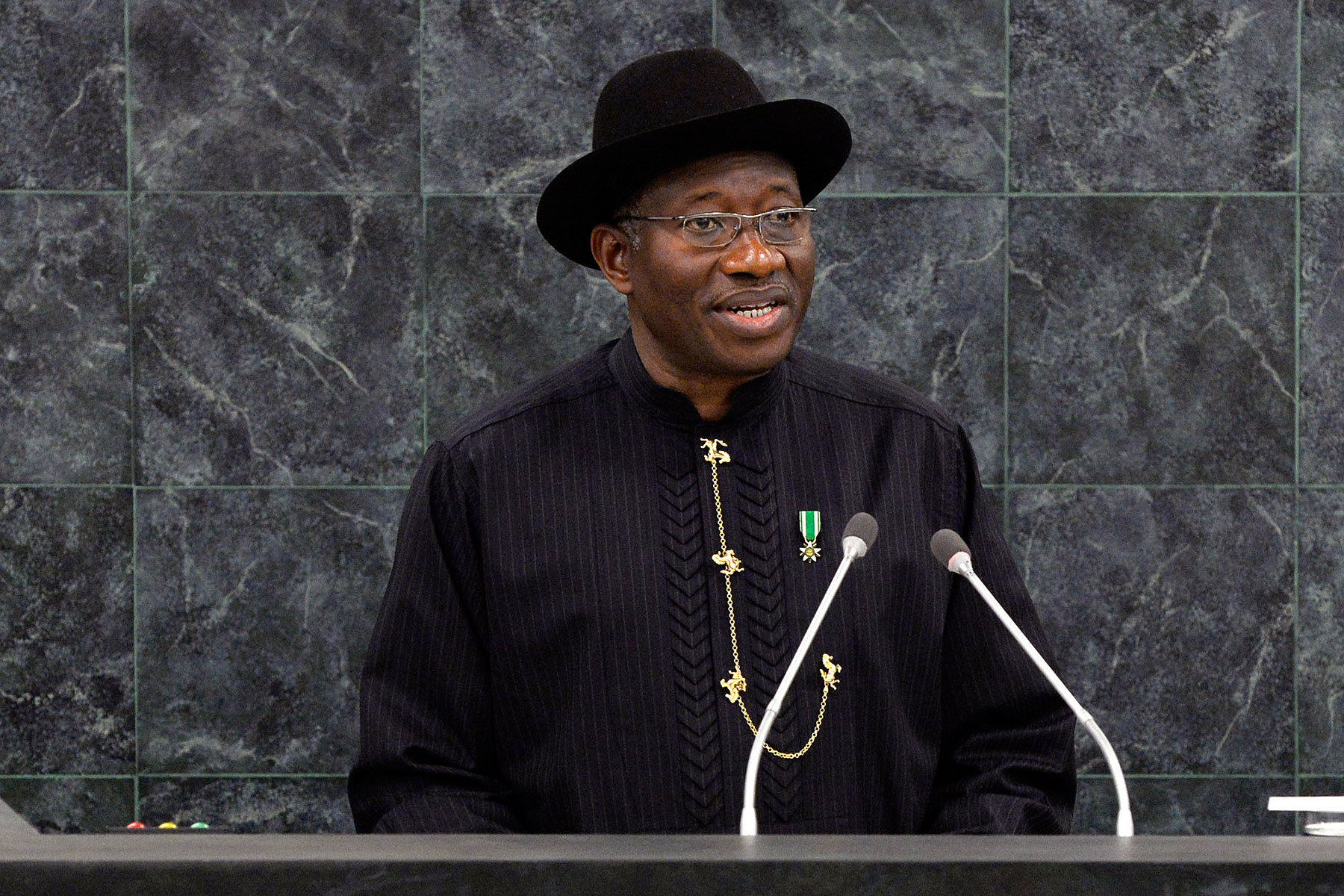
In preparation towards the nation’s general elections, the year 2022 is expected to witness a surge in array of political activities. Political permutation and scheming by political gladiators, parties and regional interests could upshot inflammatory statements, inter/intra party conflicts, assassination and thuggery.
Furthermore, internal conflicts within political parties, if not properly managed could lead to increased defections,new alliances and/or formation of political parties thereby overheating the polity.Inadvertently, underlining threats such as terrorism, banditry, kidnapping among others will be exacerbated while regional agitations, organised crimes, arms proliferation and activities of unknown gunmen are expected to escalate. And because political support for election in Nigeria is generally divided along geographical lines, the possibility of ethno-religious crises is imminent. The year could also witness rejuvenation of the civil society space and infiltration of these groups by opposition parties within and outside the country to advance subversive interests.
On a general note, gubernatorial elections in the South-West region, particularly in Osun and Ekiti States,scheduled for June and July, 2022 respectively, will mark the start of the 2023 elections.
In Osun State, with the incumbent governor on the ballot, it will be a close-fought battle due to the political infighting in the All Progressives Congress (APC) structure in the State.The region would also witness tense political wranglings between the camps/loyalists to Bola Ahmed Tinubu, the Vice President and Ekiti State Governor over speculated Presidential aspirations. In addition, heightened secessionist agitations by coalition of Yoruba Nation groups may evolve.
Likewise, the political arena in the South-East is expected to be dominated by increased unscrupulous activities of the outlawed Indigenous Peoples of Biafra (IPOB) leading to amplified acts of civil disobedience.
Also, unrelenting politicians may continue to exploit Nnamdi Kanu’s detention to attract sympathy and political gains. The power tussle between the erstwhile Governor of Imo State, Rochas Okorocha, his son-in- law, Uche Nwosu and the current Governor, Hope Uzodinma could worsen the security situation in the state and the region in general.Although the declaration of interest by the duo of Anyim Pius Anyim and the Governor of Ebonyi State, Dave Umahi, though in different parties, will no doubt pith their supporters against one another. This and the quest by the PDP in Ebonyi State to retake power from the APC may heat up political activities in the days to come.
Similarly, the South-South is rife with speculations on the return of former president, Goodluck Jonathan which is generating varied public reactions that could also overheat the polity in the region. The political atmosphere in Cross River State is envisaged to be tensed especially with the decamping of the state governor to the ruling APC. This is moreso that the PDP may intensify political gimmicks to clinch back power.
The rift between Rivers State Governor, Nyesom Wike and the Minister of Transportation, Rotimi Ameachi coupled with the intra-party conflict in the APC may degenerate with implication for peace and stability of the State.
In the North Central, though Yahaya Bello has not formally declared interest to run for president, his posture and sideline campaigns, suggest that he is undoubtedly going to contest. The perceived intra-party squabbles between Bello’s loyalists and that of Tinubu could snowball into violence in the State.
The Nationalities Alliance for Self-determination Group (NINAS) may also intensify clamour for secession in the region premising on perceived marginalisation and inequitable distribution of resources. On the other hand, activities of bandits in Niger, Nasarawa and Benue States may disrupt electioneering processes and public order/ and safety.
Equally, considering that all the Governors in the North West except the Governor of Zamfara State will be finishing their tenures, it is projected that some of them may vie for National Assembly positions, which may cause major disaffection between the governors, serving Senators and party loyalists. Similarly, the issue of anointing a successor may likely generate clashes between the Governors and party executives in the States.
Lastly, though the political arena in the North East is relatively peaceful,the threat of terrorism in Borno, Yobe and part of Adamawa could affect electioneering process. Also, the APC may attempt to reclaim power in Adamawa and Bauchi States, which may heat up the political atmosphere.
That aside, it is worthy to note that as political factors shape the year’s activities, citizens remain the most viable tool for manipulation by some political actors to pursue self-centred motives. At this stage in Nigeria’s democracy, citizens must adopt and demonstrate an awakened attitude, taking into cognizance the fact that sustainable growth and development of the country lies in electing credible leaders.
By 2023, Nigeria’ democracy will have advanced to the point where citizens should not allure current manipulation by some politicians to use them to promote electoral malpractices and other acts of civil disobedience.
In the interest of peace and national stability, politicians must strictly play by the rules and have it at the back of their minds that rulership is only possible if the country is peaceful. Like wise,the Independent National Electoral Commission (INEC), as the electoral umpire, should be conscious of its actions as it will dictate the tone of the nation’s socio-political atmosphere before and after the elections. Security agencies should remain professional in discharging their duties and also properly analyse emerging threats and come up with measures to manage them. Therefore, a strong collaboration is recommended for the critical stakeholders.
By: Gani Abdullahi
Abdullahi, a veteran journalist, resides in Abuja.



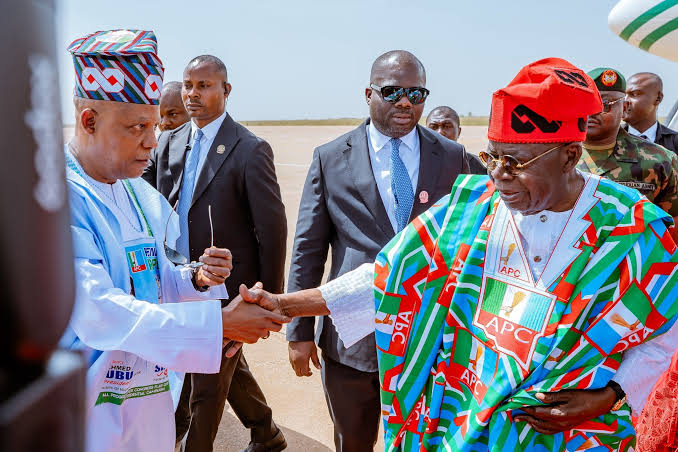
The campaign rally, held at the Kaduna Township Stadium, attracted Vice-President Kashim Shettima, APC governors, party leaders, federal and state lawmakers, political stakeholders and supporters from across the country.
The flag-off marks the beginning of the APC’s drive to secure a second presidential term for President Tinubu, with the party expected to promote its achievements, defend its economic reforms and outline its policy priorities under the proposed Renewed Hope 2.0 agenda.
Kaduna’s selection for the campaign launch underscores the strategic importance of the North-West, a region with a substantial voting population and considerable influence on presidential election outcomes.
The APC faces a significant challenge in Kaduna, where the Peoples Democratic Party’s presidential candidate, Alhaji Atiku Abubakar, defeated President Tinubu in the 2023 election. The rally therefore provides the ruling party an opportunity to strengthen its grassroots structures and regain electoral support in the state.
Addressing supporters, Vice-President Shettima appealed to Northern voters, highlighting President Tinubu’s political relationships with prominent Northern leaders, including Alhaji Abubakar, Mallam Nuhu Ribadu and the late President Muhammadu Buhari.
The Vice-President’s appeal reflects the APC’s determination to consolidate its support in the North as the party intensifies preparations for the presidential contest.
The Renewed Hope 2.0 agenda is expected to feature prominently in the campaign, providing a platform for President Tinubu to explain his administration’s economic policies and outline plans for another term.
However, the President’s record on economic reforms, rising living costs, petrol prices, employment, infrastructure and insecurity is expected to attract considerable scrutiny during the electioneering period.
-

 Education21 hours ago
FCE Yola Graduates 3,555 Teachers , Seeks Upgrade to University
-

 Niger Delta23 hours ago
Diri Restates Stance On Lagos-Calabar Coastal Highway
-

 Sports20 hours ago
Nigerian Trio Target Titles At PFL Africa Finals
-

 Niger Delta23 hours ago
C’River, NUJ Pay Tribute To Late Guardian Editor
-

 News1 day ago
NDLEA Recovers Tons Of Illicit Drug Consignments In Nine States
-

 Opinion23 hours ago
Checking Voter Apathy In Nigeria’s Electoral Process
-

 Politics21 hours ago
2027: DICKSON’S EX-ALLY VOWS TO WORK AGAINST NDC INTEREST IN BAYELSA
-

 Politics21 hours ago
2027: GROUP PLEDGES 40,000 SUPPORTERS FOR COALITION CANDIDATES IN RIVERS