
Editorial
PIB: Supporting 10% Trust Fund

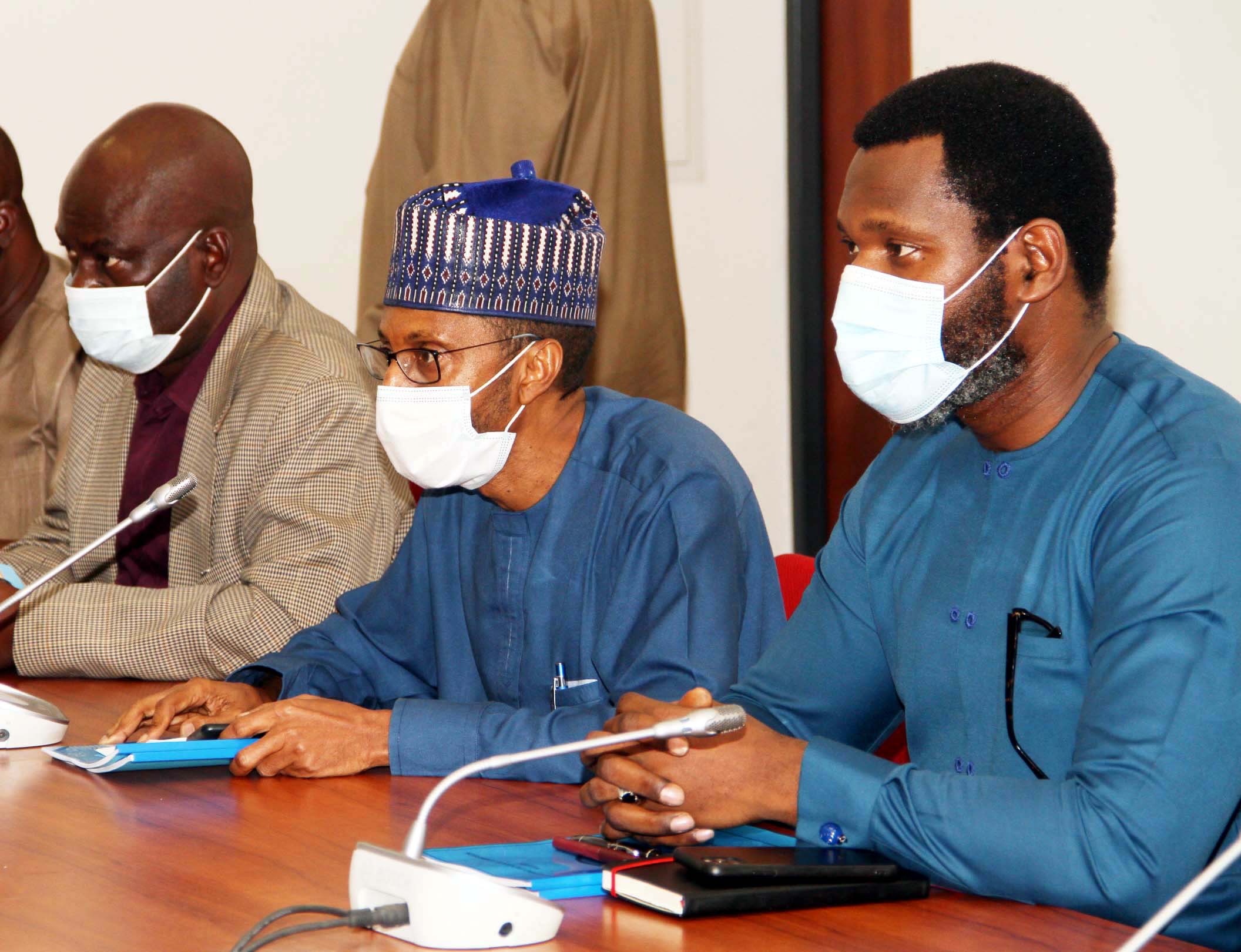
Arising from their last meeting held earlier this month at the Government House in Port Harcourt, the Rivers State capital, governors of the South-South region bared their mind on the Petroleum Industry Bill (PIB) currently receiving legislative attention at the National Assembly.
Addressing newsmen at the end of the meeting, Chairman of the South-South Governors’ Forum and governor of Delta State, Dr Ifeanyi Okowa said the governors had rejected the provision of 2.5 per cent contribution into the Host community Trust Fund as contained in the bill and instead demanded a 10% contribution.
According to the Chief Executive Officers of the oil bearing states, the 2.5 per cent proposal was grossly inadequate and incapable of addressing the issues it is meant to resolve in the overall interest of all stakeholders in the oil exploration and exploitation activities including the nation, the impacted communities and the oil companies.
“We took up the issue of the PIB, the Petroleum Industry Bill which is already before the House (National Assembly) and having compared notes with ourselves, we are of the view that while we welcome the Host Community Trust Fund, we do believe that the 2.5 per cent that is appropriated in that bill for the purpose of host community fund is inadequate.
“We have discussed with our people and collectively as leaders of the people in our various states and as leaders standing in on behalf of our people, we urge that the National Assembly should increase the provision in the host community fund from 2.5 per cent to 10 per cent in the best interest of our communities, in the best interest of our nation”, they said.
The governors expressed the firm belief that the provision of adequate funding to cater for the needs of the host communities to compensate for the adverse effect of the hydrocarbon industry upon their lives and livelihood was the sure way to securing a stable, secure and crisis-free atmosphere and environment for the industry that sustains the nation.
“And the peaceful environment that would be seen in the various oil communities would enable us to have greater production and a seamless production in which we do not have any form of disruption in our oil productions going into the future”, they stressed.
The Tide endorses and supports the governors on this well-considered and modest demand as it faithfully represents the yearnings and aspirations of the deprived, dehumanised, neglected, environmentally devastated, economically strangulated and physically exposed to certain painful death by instalment inhabitants of the region.
It is a truism that adequately fed and well tended cows yield the most milk and healthiest meat. The same is true of poultry where the quality and quantity of eggs produced by the birds is directly derived from the quality and quantum of feed and other requisite treatment given. To receive more from the God-given wealth to the people of the Niger Delta, the Federal Government should have no difficulty making appropriate investments into the lives and environment of the people in order to reap bountiful and sustainable benefits for the nation.
Against this backdrop, The Tide urges the governors not to shift grounds on their demand. In the same vein, we urge the National Assembly to see the position of the people of the region as expressed by the governors as service to the nation and therefore brook no reluctance to accede to the patriotic call for an upward review of the earlier proposed 2.5 per cent contribution to 10 per cent.
We are not unmindful of the general principle of the bill and its intendment to find lasting solution to the perennial conflicts between oil bearing communities and the oil multinationals that have had dire consequences for accruable revenues to the national treasury, social stability and environmental preservation. As captured in the bill: “The objectives of the host communities development trust shall include; to finance and execute projects for the benefit and sustainable development of the host communities within the scope of funds available to the Board of Trustees for such purposes; facilitate economic empowerment opportunities in the host communities as well as advance and upgrade educational development for the benefits of members of the host communities”.
It is to take care of the above that the bill provides that “Each settlor, where applicable through the operators, shall make an annual contribution to the applicable host community development trust fund of an amount equal to 2.5 per cent of its actual operating expenditure in the immediate preceding calendar year in respect to all petroleum operation affecting the host communities for which the applicable community development trust fund was established”.
The simple point being made by the people through the governors is that the proposed contribution to fund the objectives of the bill will not be sufficient to deliver on the mandate and therefore needs to be increased. This, in our view, is not asking for too much if the Federal Government truly and sincerely wishes to permanently put to rest the devastating issues of militancy, economic sabotage, environmental pollution, youth restiveness and related matters, and uplift the condition of the people, giving them a sense of belonging and guaranteeing them a safe, secure, productive and healthy existence.
To this end, we urge the National Assembly to leave no stone unturned in ensuring that this time around, the PIB does not suffer the fate of its predecessors and is passed into law without further delay. In this regard, we rely on the commitment already made by the President of the Senate and Chairman of the National Assembly, Senator Ahmad Lawan. We believe that a timely passage of the bill will not only bring the desired sustainable development in the petroleum industry but will save lives and secure the future of Nigerians.
On the part of the Federal Government, we expect President Muhammadu Buhari to expeditiously sign the bill into law as soon as it gets to his table and muster the political will to enforce its provisions and ensure compliance from recalcitrant, negligent and out rightly dubious oil giants who would stop at nothing to sacrifice the blood of the people for filthy lucre. The federal authorities must not hesitate to invoke the relevant sections of the bill which prescribe the revocation of the licences of errant companies whenever it becomes necessary to safeguard the sanctify of the law and uphold the interest of the people.
Finally, we sincerely hope that the people of the Niger Delta region will not only ask to receive without a corresponding willingness to assume the attendant responsibility. As it is, the bill already provides that where in any year, an act of vandalism, sabotage or civil unrest occurs that causes damage to petroleum and designated facilities or disrupts production activities within the host community, the community shall forfeit its entitlement to the extent of the cost of repairs of the damage that resulted from the activity. The people must therefore realise that a crisis-free and more conducive atmosphere for oil production activities directly translates to more development projects and better life for them. This message must accompany the demand of the governors.



Nigeria stands at a critical juncture as the world marked World Press Freedom Day (WPFD) on May 3. This annual observance is a reminder that a free press is central to democratic life, good governance, and public accountability. For Nigeria, it is also a moment for sober reflection on how far the country has come and how far it still has to go in safeguarding the independence of its media.
World Press Freedom Day exists to highlight the fundamental importance of freedom of expression and to honour journalists who risk their lives in pursuit of truth. It underscores the idea that without a free press, societies cannot function transparently, nor can citizens make informed decisions. In countries like Nigeria, where democracy continues to evolve, the observance carries particular urgency.
This year’s theme, “Shaping a Future at Peace: Promoting Press Freedom for Human Rights, Development and Security”, places journalism at the heart of global stability. It emphasises that a peaceful society cannot be built on silence, fear, or manipulated information. Rather, it depends on the free flow of accurate, timely, and independent reporting.
At its core, the theme highlights the role of journalism in fostering accountability, dialogue, and trust. These are not abstract ideals. In Nigeria, where public confidence in institutions is often fragile, the media remains one of the few platforms through which citizens can question authority and demand transparency. When press freedom declines, so too does public trust.
Journalism serves as a foundation for peace, security, and economic recovery. Countries with robust media systems tend to attract greater investment, maintain stronger institutions, and resolve conflicts more effectively. Nigeria’s economic challenges, ranging from inflation to unemployment, require open scrutiny and informed debate, both of which depend on a free press.
However, the issue of information integrity has become increasingly complex in the digital age. Artificial Intelligence (AI) and online platforms have amplified the spread of misinformation and disinformation. In Nigeria, where internet penetration has grown rapidly, false narratives can travel faster than verified facts. This makes the role of credible journalism more vital than ever.
The challenge is not only technological but also ethical. AI-driven manipulation of information threatens to distort public discourse, influence elections, and deepen social divisions. In such an environment, professional journalism must act as a stabilising force, ensuring that truth prevails over sensationalism and propaganda.
Equally troubling is the safety of journalists. Across Nigeria, reporters face growing levels of online harassment, judicial intimidation, and physical threats. Self-censorship is becoming more common, as media practitioners weigh the risks of reporting sensitive issues. This trend undermines the very essence of journalism.
A particularly alarming incident involved a serving minister in the present administration, who openly threatened to shoot a journalist during a televised exchange. Such conduct, broadcast to the public, sends a dangerous signal that hostility towards the press is acceptable. It erodes the norms of democratic engagement and places journalists in harm’s way.
This year’s theme aligns closely with the United Nations Sustainable Development Goal (SDG)16, which promotes peace, justice, and strong institutions. Freedom of expression is a cornerstone of this goal. Without it, institutions weaken, corruption thrives, and justice becomes elusive. Nigeria’s commitment to SDG 16 must therefore include genuine protection for the media.
Historically, the Nigerian press has been a formidable force. From resisting colonial rule to challenging military dictatorships, our journalists have played a central role in shaping the nation’s political landscape. Today, however, that legacy appears to be under strain, as the media operates under what can best be described as a veneer of freedom.
Beneath this facade lies a troubling reality. Journalists are routinely harassed, detained, and prosecuted for performing their constitutional duties. Reports from media watchdogs indicate that dozens of Nigerian journalists face legal threats or arrest each year, often for exposing corruption or criticising those in power.
The Cybercrimes (Prohibition, Prevention, etc.) Act of 2015 has become a focal point of concern. Originally intended to combat cyber threats, it has increasingly been used to silence dissent. Sections 24 and 27(1)(b), in particular, have been invoked to target journalists, bloggers, and social commentators.
Although amendments introduced in February 2024 were meant to safeguard journalists, concerns persist. The law continues to be wielded in ways that stifle investigative reporting and restrict freedom of expression. Legal reforms must go beyond cosmetic changes to address the root causes of misuse.
To safeguard the future of journalism in Nigeria, decisive action is required. The Cybercrimes Act must be revisited to ensure it cannot be weaponised against the press. Law enforcement agencies must operate free from political influence, upholding the rule of law and protecting journalists’ rights. Civil society and international partners must also strengthen independent media through funding, training, and platforms for wider reach.
In this rapidly evolving world shaped by artificial intelligence and digital innovation, Nigeria faces a clear choice. It can either allow press freedom to erode under pressure, or it can champion a truly independent media landscape. The path it chooses will determine not only the future of journalism, but also the strength of its democracy and the peace it seeks to build.

-

 Featured2 days ago
WASSCE: RSG Distributes Science Materials To Secondary Schools
-
News2 days ago
Xenophobic Attacks: Nigerian Lives More Important Than Foreign Investment – Oshiomhole
-
Rivers2 days ago
MBA Forex Trial Adjourn To June 3, Amid Bereavement … As Court Declines Cost Application
-
News2 days ago
ActionAid Demands Probe Of Govs Using Public Funds For Campaign
-
Aviation2 days ago
Passengers Stranded As Delta Airline From Atlanta Route Back Eight Hours After
-
Business2 days ago
Customs Impound N2.35bn Cocaine, 15 Trailers of Rice
-
Politics2 days ago
2027: Bayelsa Senator Gets Critical Endorsement For Second Term
-
 Politics2 days ago
INEC Sets Rivers South-East Senatorial By-Election For June 20