
Business
Rivers Traders Lament Hike In Prices Of Food Stuffs

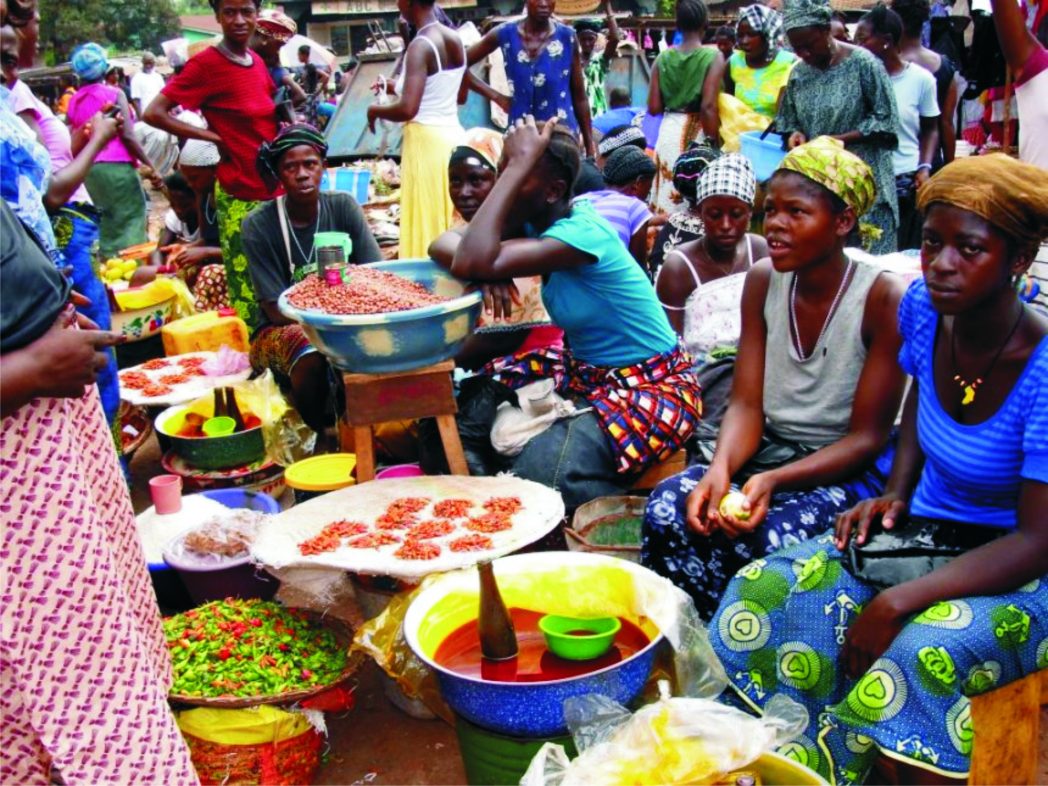
Some traders at the popular Rumuomasi market in Port Harcourt, Rivers, yesterday decried hike in prices of foodstuff, attributing it to the outbreak of COVID-19 in the country.
Some of the traders who spoke with newsmen during a market survey in Port Harcourt said that the rate of increase in prices of food items may soon kick them out of business and bring more hunger in the country.
Mrs Edna Offong, one of the traders who sells bags of rice in the market said that the rate of increase in the price of rice is alarming.
Offong stated that the price of rice had gone up twice in the market before the outbreak of the pandemic.
“The rate of increase in the prices of food is alarming, and I am afraid I don’t know how we are going to survive in this business.
“The price of 50kg bag of foreign rice which we sold at N26,000 before COVID-19, is now N39,000 while a bag of 50kg local rice that we were selling at N17,000 is now N29,000,” she said.
Similarly, Mrs Faith Emezie, another trader who sells bags of beans, said that prices of food stuff in the market are outrageous.
Emezie lamented that the increase in prices has made her to lose her business capital and slowed down patronage from her customers.
“I am just here because I don’t want to sit at home and see my children cry from hunger, I have lost my capital.
“This is because when I finished selling and I went back to market to restock, the price has increased more than the money I brought. I ended up buying small quantity of beans which I struggled hard to resell due to the increase in price.
“Remember that children have been out of school since the outbreak of COVID-19 pandemic, eating more than when they were going to school.
“This also contributes to the loss in my capital because I feed them from my sales, and I am sure other families are experiencing the same thing as well.
“Honestly, I am pleading with our government to control prices of goods in the markets, so that people will not be selling anyhow they like, not minding if it is suitable or not for buyers and sellers,” she pleaded.
Miss Marian Felix, another trader, who sells condiments attributed the high cost of spaghetti and macaroni pasta, tomato paste, and edible oil in the market to the shutdown by companies during the pandemic.
Felix said that a packet of pasta sold at N200 now sells for N250, while a sachet of tomato paste sold at N50 is currently sold for N120.
She said 4 litres of vegetable oil sold at N3,500 is now N5,000 and 4 litres of red oil sold at N1,500 now sells for N2,500.
“I pray that God Almighty will help our country to come out of this trying times for us to continue to live better as we have been living before the pandemic,” Felix said.


Business
IPMAN Raises Concern Over Delay In Chinese Refinery Deal …Predicts Lower Fuel Prices Through Competition


-
Rivers1 day ago
Rivers Police Uncovers Firearm Concealed In Loaf Of Bread
-

 Niger Delta23 hours ago
Pro-Chancellor Hands Over Okey Onuchuku Peace, Conflict Institute Building
-

 News24 hours ago
Fubara Reaffirms Commitment To Blue Economy, Private Sector Growth …Calls For Protection Of Marine Resources
-
Sports1 day ago
Six Nigerians To Play For NBA Teams
-
Business1 day ago
Gas Economy: Decade of Gas, Pi-CNG/ EV Deepen Media Engagement
-
Business1 day ago
Navy Nabs 13 Black Sand Miners In Bayelsa –Impound Two Boats
-

 Business1 day ago
IPMAN Raises Concern Over Delay In Chinese Refinery Deal …Predicts Lower Fuel Prices Through Competition
-
Business1 day ago
Accountable Leadership, Urgent Reforms Will Stimulate Economic Growth — Osi