
Business
Capital Market Stakeholders Seek Alternative Infrastructure Dev Funding

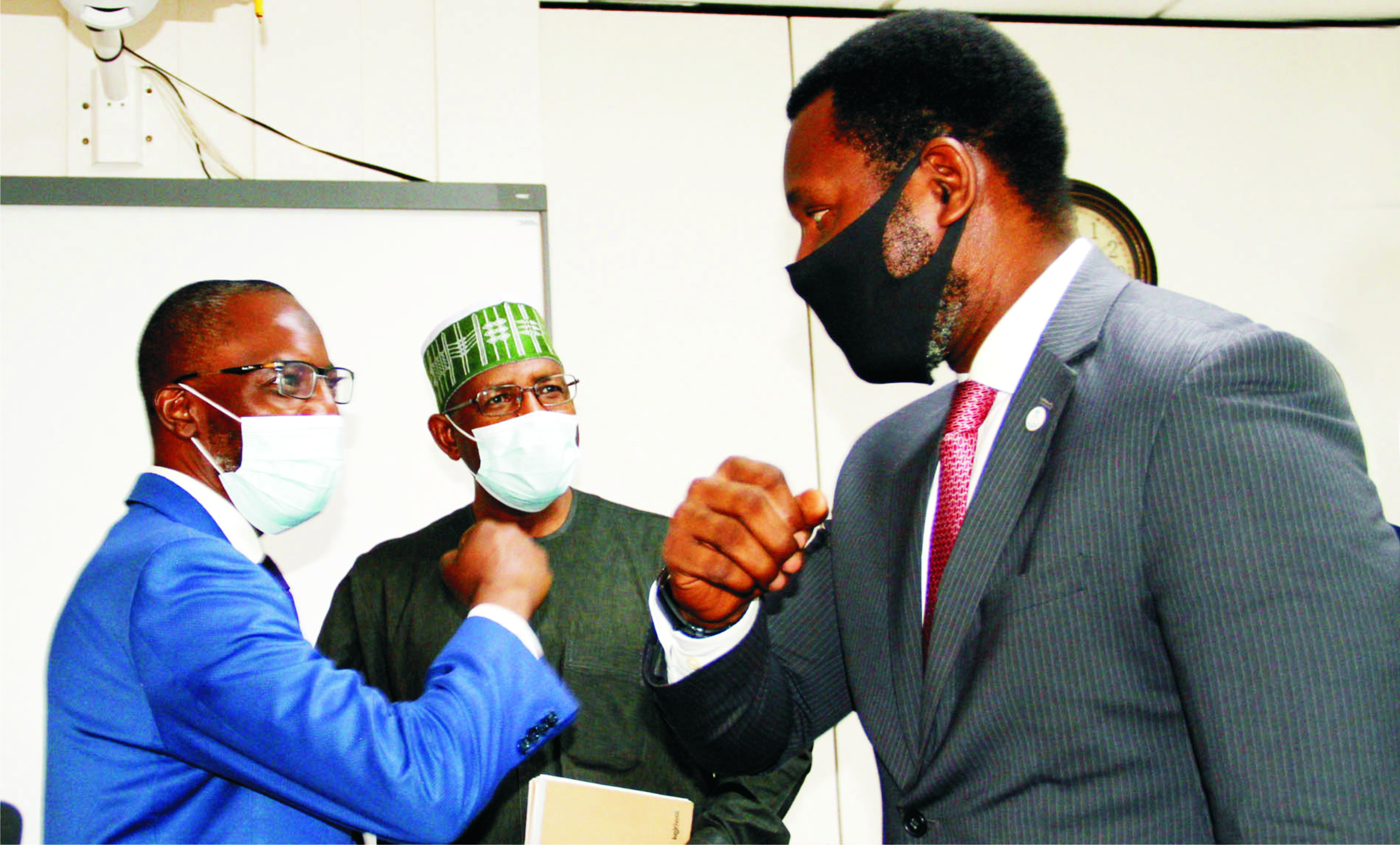
Worried by budgetary pressure and reduction in the level of public funds, stakeholders in the capital market are calling for alternative sources of financing to support infrastructure development
They spoke yesterday at a webinar session targeted at the infrastructure sector and organised by FMDQ Debt Capital Markets Development Project 2025 Infrastructure Finance Sub-Committee.
The webinar was themed, “Leveraging the Debt Capital Markets for Infrastructure Development”.
Chief Executive Officer, FMDQ Group, Mr Bola Onadelesaid at the webinar that the debt capital market provided a key avenue through which infrastructure growth could be fostered to promote economic development.
Onadele said alternative sources of financing were required to support infrastructure development, given the reduction in the level of public funds available due to budgetary pressures.
He said that increased public debt to GDP and the inability of the public sector to deliver a more efficient investment spending, with the presence of competing priorities, called for alternative source of financing.
Onadele said that infrastructure development was critical for economic growth, reduced poverty, job creation as well as improving the wellbeing of the citizenry.
According to him, the McKinsey Global Institute estimates that $3.3 trillion must be spent annually through 2030 to address Africa’s huge Infrastructure gap.
He noted that private sector financing was critical and the capital market needed to be harnessed to raise alternate finance to be deployed to diverse projects through issuance of long term securities.
Onadele said access to financing ranked as a top challenge in infrastructure development, according to a PricewaterhouseCoopers survey.
He said that the existence of an enabling political and regulatory environment was also important in attracting both local and foreign investors into the infrastructure development sphere.
Onadele said the Federal Government had been supportive in creating an enabling environment for infrastructure development through different initiatives.
These, he said, included the establishment of the Infrastructure Credit Guarantee Company Limited (“InfraCredit”).
He said that government had “actively encouraged Public-Private Partnerships (PPP) which are an effective way of transferring life-cycle costs of infrastructure off public-sector budgets and simultaneously creating investable assets for the private sector.”
The Chief Executive Officer, Chapel Hill Denham and Chair, Steering Committee, FMDQ Debt Capital Markets Development Project, Mr Bolaji Balogun said government budget could not be enough for infrastructure development.
Balogun said $35/$40 billion was needed annually to address infrastructure problem, noting that, government budget was completely inadequate.
“We are only scraping the surface: only if investment in infrastructure grows by 15 to 18 per cent a year can we reach eight per cent economic growth.
“Unlocking institutional capital domestically, regionally and globally is the only way to deliver infrastructure for Africa,” he said.
The Director-General, Infrasturcture Concession Regulatory Commission, Mr Chidi Izuwah said COVID-19 had changed the national policy, hence the need to plan along with that.


-

 Featured1 day ago
WASSCE: RSG Distributes Science Materials To Secondary Schools
-
News2 days ago
Xenophobic Attacks: Nigerian Lives More Important Than Foreign Investment – Oshiomhole
-
Rivers2 days ago
MBA Forex Trial Adjourn To June 3, Amid Bereavement … As Court Declines Cost Application
-
News2 days ago
ActionAid Demands Probe Of Govs Using Public Funds For Campaign
-
Aviation2 days ago
Passengers Stranded As Delta Airline From Atlanta Route Back Eight Hours After
-
Business2 days ago
Customs Impound N2.35bn Cocaine, 15 Trailers of Rice
-
Politics2 days ago
2027: Bayelsa Senator Gets Critical Endorsement For Second Term
-
 Politics2 days ago
INEC Sets Rivers South-East Senatorial By-Election For June 20