
Business
Senate Moves To Devalue Naira

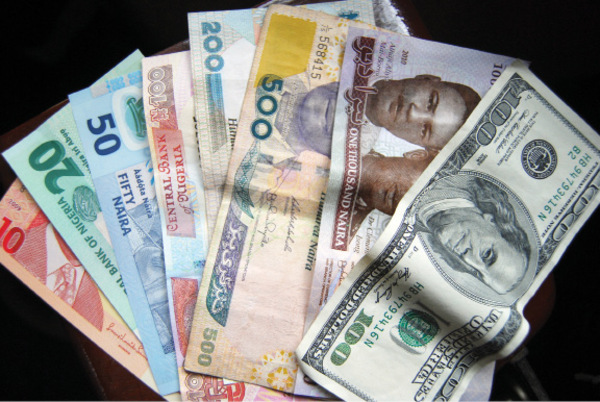
Plans may be underway to devalue the naira, remove the petroleum subsidy and downsize the 2020 budget to cushion the effects of the global crash in crude oil price.
The new moves are parts of ongoing plans being considered by the Senate.
In a report submitted by the Senate Joint Committee on Finance, Appropriations, National Planning and Petroleum Resources (Upstream) and considered at plenary, the Red Chamber said with the continuous fall in the price of crude oil, contingency measures must be put in place.
Presenting the report, Senate Committee Chairman on Finance, Solomon Adeola Olamilekan said the devaluation of the naira, removal of fuel subsidy, among others were on the table.
The report read by Adeola also revealed that it is considering merger of Federal Government agencies, reduction of the production cost of crude oil, among others.
He said: “The joint committee discussed a wide range of issues bordering on the current economic realities. They include the current Appropriation Act 2020 passed by the National Assembly; cost of production of a barrel of crude oil compared with the other counterparts in the Petroleum Producing Countries; the reality of the current situation of the government in terms of number of agencies and parastatals of the government putting into perspective the Oronsanye Panel Report; the need to prioritise both the Social and the Real Sector of the economy looking at their importance to the overall benefit of Nigeria; unlocking of revenue as a result of Gas flaring which runs into several billions of dollars; devaluation of Naira; and removal of oil subsidy.
“The short term solution is to address the sharp drop in the crude oil price which is creating difficulties in funding the 2020 Appropriation Act as passed by the National Assembly.
“The long term solution discussed is the need to consider and pass the Petroleum Industry Bill (PIB), which is yet to laid before the National Assembly. This will address the issue of cost of production and gas flaring where the country’s resources is going down the drain and other issues that might affect the petroleum sector.”
Lawmakers, who contributed, called for the suspension of foreign trips of government officials until the economy improves. They said funds saved from that could be channelled into other areas.
President of the Senate, Ahmad Lawan, who presided, expressed optimism that despite the challenges, Nigeria will come out stronger.



-

 Editorial5 days ago
Enough Of Xenophobic Attacks On Nigerians
-

 Sports5 days ago
Oparaodu Urges Rivers United To Win Katsina United
-

 Education5 days ago
UNIPort Senate Grants Two-Year Amnesty to U2010–U2018 Students
-

 Nation5 days ago
RSU, Otonti Nduka Foundation Holds Centenary Conference, Unveil Book on Values in Nigeria
-

 Oil & Energy5 days ago
Rivers PETROAN Elects 12-Member Executive
-
Politics5 days ago
APC Group Protests Ex–Presidential Aspirant’s Disqualification From Rivers Senatorial Race
-

 Sports5 days ago
” Nigeria’s best domestic players are not in NPFL”
-
Politics5 days ago
Reps Speaker Secures APC Return Ticket For Fifth Term