
Politics
Okorocha Left Empty Treasury – Ihedioha

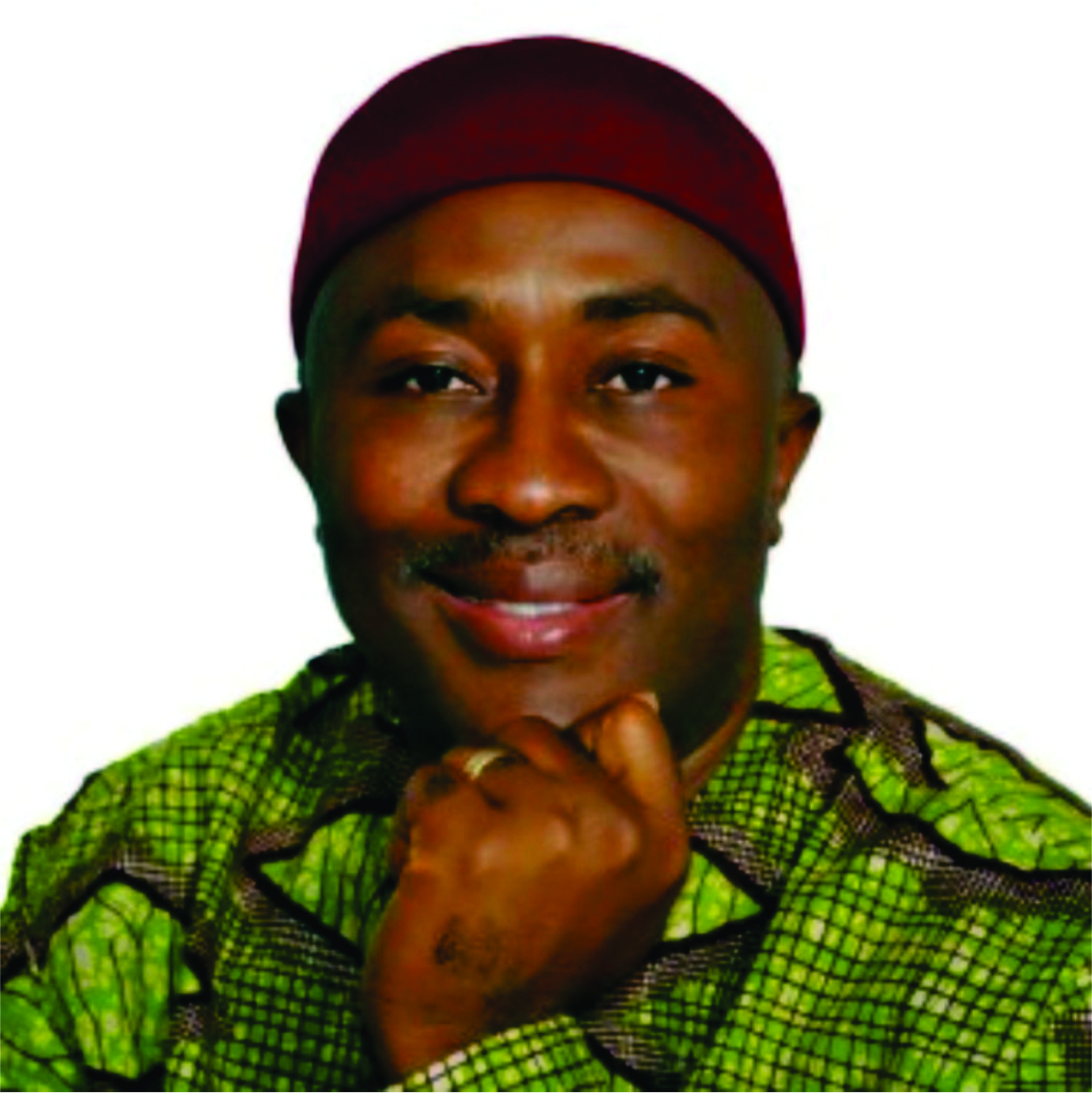
The new Secretary to the Imo state Government, Chief Uche Onyeagucha, has berated the immediate past Governor of Imo state, Owelle Rochas Okorocha, over alleged mismanagement of the state’s resources throughout his reign.
Recall that, Okorocha disclosed that he has set aside N42.5 billion in the coffers of the State’s treasury for his successor, Chief Emeka Ihedioha, explaining that he set aside the amount so that the incoming Governor won’t have any excuse for not carrying out activities of government.
He made the disclosure while swearing-in eleven Permanent Secretaries as well as the new Accountant-General of the state, Deacon Donald Igbo, and the new Head of Service, Mrs Ngozi Ama Eluma, in Owerri, the state capital.
But Onyeagucha, in a statement issued to newsmen yesterday by his Chief Press Secretary, MacDonald Enwere, insisted that no money was released to the present government of Ihedioha by the Okorocha-led past administration during the handover/swearing-in ceremony.
The SSG disclosed that not a single document was handed over to the present administration, and however, lambasted Okorocha for allegedly destroying and looting government property in Government House, Owerri, the state capital.
Onyeagucha added that the former Governor took away all vehicles in Government House, other property and sensitive government documents before leaving office.
Parts of the statement read, “I want to also use this opportunity to call on you (imolites) to give your unwavering support to the new Governor, Rt. Hon. Emeka Ihedioha.
“We should equally join hands with the present administration in ensuring that Imo State is taken to an enviable height. Again, I’m urging the Imolites to always pray for the new administration for God’s wisdom to pilot the affairs of the State.”



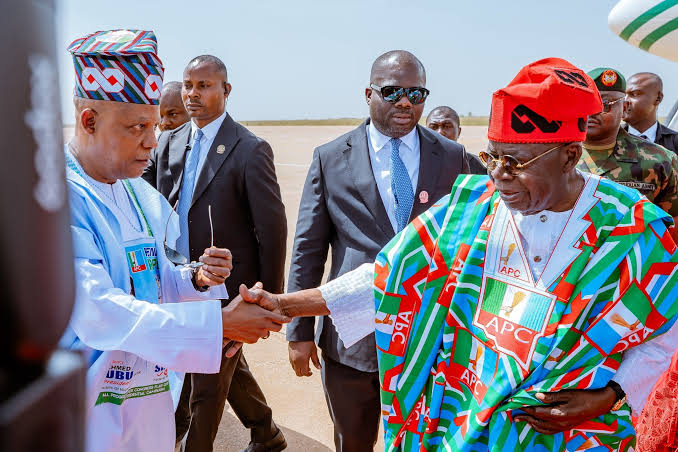
The campaign rally, held at the Kaduna Township Stadium, attracted Vice-President Kashim Shettima, APC governors, party leaders, federal and state lawmakers, political stakeholders and supporters from across the country.
The flag-off marks the beginning of the APC’s drive to secure a second presidential term for President Tinubu, with the party expected to promote its achievements, defend its economic reforms and outline its policy priorities under the proposed Renewed Hope 2.0 agenda.
Kaduna’s selection for the campaign launch underscores the strategic importance of the North-West, a region with a substantial voting population and considerable influence on presidential election outcomes.
The APC faces a significant challenge in Kaduna, where the Peoples Democratic Party’s presidential candidate, Alhaji Atiku Abubakar, defeated President Tinubu in the 2023 election. The rally therefore provides the ruling party an opportunity to strengthen its grassroots structures and regain electoral support in the state.
Addressing supporters, Vice-President Shettima appealed to Northern voters, highlighting President Tinubu’s political relationships with prominent Northern leaders, including Alhaji Abubakar, Mallam Nuhu Ribadu and the late President Muhammadu Buhari.
The Vice-President’s appeal reflects the APC’s determination to consolidate its support in the North as the party intensifies preparations for the presidential contest.
The Renewed Hope 2.0 agenda is expected to feature prominently in the campaign, providing a platform for President Tinubu to explain his administration’s economic policies and outline plans for another term.
However, the President’s record on economic reforms, rising living costs, petrol prices, employment, infrastructure and insecurity is expected to attract considerable scrutiny during the electioneering period.
-

 Education2 days ago
FCE Yola Graduates 3,555 Teachers , Seeks Upgrade to University
-

 Sports2 days ago
Nigerian Trio Target Titles At PFL Africa Finals
-

 Niger Delta2 days ago
Diri Restates Stance On Lagos-Calabar Coastal Highway
-

 Niger Delta2 days ago
C’River, NUJ Pay Tribute To Late Guardian Editor
-

 News2 days ago
NDLEA Recovers Tons Of Illicit Drug Consignments In Nine States
-

 Opinion2 days ago
Checking Voter Apathy In Nigeria’s Electoral Process
-

 Politics2 days ago
2027: DICKSON’S EX-ALLY VOWS TO WORK AGAINST NDC INTEREST IN BAYELSA
-

 Politics2 days ago
2027: GROUP PLEDGES 40,000 SUPPORTERS FOR COALITION CANDIDATES IN RIVERS