
Nation
THE STATES


Borno
The Defence Headquarters last Sunday described the Armed Forces’ medical outreach as part of the Forces’ constitutional responsibility of securing lives and property of Nigerians.
The Director, Defence Information, Maj Gen. John Enenche said in a statement issued in Maiduguri that there were no sinister motive behind the Armed Forces medical outreach exercise.
Enenche dismissed as misrepresentation and smear campaign against the military regarding the Monkey Pox disease outbreak in parts of the country.
He said that the Armed Forces had been conducting medical outreach during operations and routine training exercises such as the war against the Boko Haram insurgency in the North-East and Egwu Eke II in the South-East.
“Categorically, the practice of reaching out to the general public medically is akin to the key task of securing the lives and property of Nigerians; therefore, it can never be done with ulterior motives,” he said.
FCT
The Acting Executive Secretary, Federal Capital Territory (FCT) Primary Health Care Development Board, Dr Mathew Ashikeni last Friday refuted speculation of polio outbreak in the territory.
Ashikeni told newsmen in Abuja that there was a reported case of polio compatible in Abuja not polio virus.
He explained that the reported case was recorded at Rugan Baraje village in Kwali Area Council of the FCT.
According to him, the polio compatible has same symptoms of polio virus but the one reported was not.
He disclosed that a team of experts were deployed to the area and there were series of tests that confirmed no result indicated polio virus.
Kaduna
A non-governmental organisation on Maternal Newborn and Child Health (MNCH) has urged the Kaduna State Government to accelerate efforts for the passage of contributory health insurance bill.
This is to bring healthcare delivery closer and accessible to the people.
The NGO gave the advice in a document made available to newsmen last Friday in Kaduna.
It said that accelerating the passage of contributory health insurance bill would reduce pocket spending in accessing healthcare.
It also called for the modification of family planning messages to stress the importance of child spacing rather than limiting the number of children.
Katsina
Unknown gunmen last weekend attacked the residence of former Inspector-General of Police, Ibrahim Coomasie, killing a mobile policeman and injuring another.
Our correspondent learnt that two attackers on a motorcycle opened fire on the two policemen stationed at the gate of the residence at about 8pm, but did not gain entrance into the house.
The attackers were, however, said to have escaped with the rifle of one of the policemen.
A neighbour told newsmen on condition of anonymity, that the former IGP and his family members were safe.
The corpse of the deceased policeman has been deposited at the mortuary of Katsina General Hospital, where the other injured mobile policeman was receiving treatment.
Kogi
Three operatives of the National Drug Law Enforcement Agency (NDLEA) have been shot dead by gunmen in Okene.
The Commandant of NDLEA in Kogi State, Alhaji Idris Bello told reporters last Sunday in Lokoja that the three operatives were gunned down while on patrol.
He said that they were killed at about 8:30 p.m. on October 13 by the gunmen, “who emerged from nowhere’’.
Bello said that gunmen came on foot and that the incident occurred close to the main gate of the Federal College of Education, Okene.
He identified the operatives killed as Nicholas Onwumere, Ebun Peters and Abdulrahman Musa.
Kwara
The Ophthalmology Society of Nigeria (OSN) has called on Nigerians to embark on frequent eye-screening as a preventive measures against blindness.
The society made the call last Thursday in a statement signed by Dr. Taoheed Abdullahi, the General Secretary OSN, Kwara State Chapter in Ilorin.
The statement was issued in commemoration of the 2017 World Sight Day.
Abdullahi said that as the World Sight Day was being marked globally, there was a need for people to be eye conscious and screen their eyes at least once yearly at notable eye hospitals.
He, however, warned Nigerians against patronising quacks and traditional eye medications.
Lagos
Two medical practitioners last weekend called on Nigerians not to wait until disease outbreak before imbibing the culture of regular hand washing.
They gave the advice while speaking with newsmen in Lagos ahead of the commemoration of the 2017 Global Hand Washing Day which held on October 15.
The theme of this year’s event was, “Our Hands, Our Future.”
A Consultant Microbiologist, Dr Bamidele Mutiu told journalists that hand washing would reduce transmission of infectious diseases by over 90 per cent.
Mutiu, who works at the Lagos State University Teaching Hospital, Ikeja, said that the outbreak of monkey pox should be a clarion call for Nigerians to adhere to regular and proper hand washing.
Niger
Niger State Environmental Protection Agency (NISEPA) last weekend decried the indiscriminate noise pollution in some parts of the state, warning that defaulters would henceforth be penalised.
General Manager of NISEPA, Mr Lucky Barau who issued the warning in Minna told newsmen that owners of musical studio and operators of grinding machines would no longer be allowed to operate in residential areas.
He disclosed that the state government had purchased noise metre machines that would help track unwanted noise.
“There are many problems associated with noise pollution such as stress related illnesses, sleep interruption, hearing problems and loss of productivity, amongst others,” he said.
Ondo
The Ondo State Government says it has adopted a proactive measure to forestall outbreak of monkey pox in the state.
The Permanent Secretary of the state Ministry of Health, Dr Taiye Oni made this known to newsmen last Friday in Akure.
“We have started sensitisation by putting on field responsive surveillance team to make sure that any perceived case would be tackled.
“We should not forget about what we learnt on Lassa fever about personal hygiene and necessary precaution.
“The same procedure applies to the issue of monkey pox because we cannot prevent our people to travel,” Oni said.
Oyo
Striking doctors of LAUTECH Teaching Hospital, Ogbomoso, Oyo State have appealed to the State Government to pay them their 12 months salary.
They made the call in a statement signed by the branch’s President and General Secretary of the Association of Resident Doctors (ARD), Drs Sebastine Oiwoh and Ayobami Alabi and made available to newsmen in Ibadan last Saturday.
Our correspondent recalls that the doctors had 75 days ago embarked on industrial action over their unpaid salaries and poor working condition.
The ARD said that their members had indefinite withdrawal of services, saying the management, board and the state government were fully aware of the industrial crisis.
It said that their members were being paid twenty-eight per cent salary since January 2016 with twelve months salary being owed.
Plateau
Plateau State Governor, Simon Lalong has vowed to identify and prosecute those behind the resurgence of terror attacks in the state.
Lalong made the pledge last Sunday while reacting to Saturday night attack by unknown gunmen on Tagbe Village, Jebbu Miango, Bassa Local Government Area, where six persons were killed and five others severely injured.
The governor, in a statement by the Director of Press Affairs, Mr Emmanuel Nanle, warned that government would not relent in its renewed efforts at identifying and prosecuting all those behind the heinous crimes.
He said that the killers and their sponsors seek to take the state back to the dark days of violent conflicts and vowed not to let that happen.
According to the statement, the criminal elements perpetrating the spate of vicious attack within the Irigwe Chiefdom of Bassa, were finding refuge among the inhabitants of those areas.
Sokoto
The United Nations Children’s Fund (UNICEF) has signed collaboration agreement with Usmanu Danfodio University Sokoto (UDUS) on knowledge and experience sharing to ensure practical implementation of projects.
UNICEF Chief Field Officer in Sokoto, Mr Mouhuiddini Muhammad said the initiative was conceived for maximal utilisation of the university expertise toward addressing projects implementation challenges in various communities.
Muhammad said university community hosted chain of scholars, research fellows and academic works that when involved in UNICEF activities would surely harness success and overcome hitches at implementation levels.
He said the initiative named, “Partnership and Cooperative Agreement for Research and Knowledge Sharing,” was aimed at holistic involvement of university expertise into UNICEF experiences for the benefit of all people.
He explained that UNICEF conduct variety of activities on educational development that comprised enhancing enrolment, women education and facilitates curriculum development as well as addressing religious, cultural, social norms and barriers in the society.



As the world marked the 2026 International Day of the Girl Child on Sunday, October 11, 2026, a non-governmental organisation, Stand Up for Women Society (SWS) has intensified its campaign against child marriage, urging schoolgirls to prioritise education, protect their rights and develop skills for a better future.
The organisation joined the global observance of the day under the theme, “International Day of the Girl Child: End Child Marriage and Invest in Girls’ Rights,” with a sensitisation programme at Government Girls Secondary School, Oromenike, D-Line, Port Harcourt, Rivers State.
Led by its Vice Chairperson, Daba Benebo, the group engaged the students in discussions on the dangers of early marriage, teenage pregnancy, sexual abuse and other challenges that threaten the education, safety and development of the girl child.
Speaking during the programme, Benebo urged the students to reject early marriage and remain focused on their studies, stressing that education would empower them to make informed decisions about their lives and future.
She cautioned the girls against allowing anyone to deprive them of their right to education and dignity, advising them to report cases of harassment, abuse and other violations of their rights to the appropriate authorities.
Benebo assured the students that SWS remained available to support them whenever they encountered violations of their rights.
She also encouraged them to maintain discipline and responsible conduct while avoiding behaviours that could expose them to negative influences and jeopardise their future.
Beyond formal education, the SWS vice chairperson urged the students to acquire vocational skills that could provide additional opportunities for economic independence and help them navigate future challenges.
The sensitisation programme, enlivened by singing, dancing and to share their views and experiences on issues affecting the girl child interactive sessions, provided an opportunity for the students to share their views and experiences on issues affecting the girl child.
One of the major issues raised during the discussion was the appropriate age for marriage. While some participants maintained that 18 years was the constitutionally approved age, the discussion highlighted the need to consider not only age but also the maturity, preparedness and responsibilities associated with marriage.
The speaker stressed that marriage required adequate mental and emotional preparation, as well as the capacity to shoulder its responsibilities.
She therefore advised the students to concentrate on acquiring a sound education before considering marriage, noting that education would equip them with the knowledge and skills needed to make responsible decisions and manage family life.
The issue of teenage pregnancy also featured prominently during the question-and-answer session.
In addressing the subject, the speaker explained that pregnancy could occur even at the age of 12, using the example to underscore the vulnerability of young girls to the consequences of early sexual activity.
She advised the students to avoid sexual intercourse and prioritise their education, personal safety and future aspirations.
The discussion also examined the difficulties some girls encounter when living with hostile spouses, relatives or guardians.
Benebo encouraged the students to cultivate patience, humility and diligence, noting that these qualities could help them navigate difficult situations and build a brighter future.
However, she warned that patience and humility should never be interpreted as an obligation to endure violence, abuse or degrading treatment.
She urged girls experiencing hostile or abusive living conditions to seek help from their parents, trusted adults or appropriate support services rather than remain in environments that could expose them to physical or emotional trauma.
“When such happens, please return to your parents and engage in petty trade or learn a skill to support your education rather than stay in a hostile environment,” Benebo stressed.
The programme also underscored the importance of protecting girls from early marriage and other harmful practices that can disrupt their education, compromise their well-being and limit their opportunities in life.
It also reinforced the need for families, schools, communities and relevant organisations to work together to ensure that girls have access to education, vocational training, protection and the support they need to realise their potential.
For SWS, the message was clear: empowering the girl child begins with protecting her rights, investing in her education and equipping her with the confidence and skills to make informed choices about her future.
Stories by Kevin Nengia
The Egberipapa Foundation has unveiled a mass transit scheme aimed at easing transportation difficulties and improving connectivity among communities in the three Kalabari local government areas of Asari-Toru, Degema and Akuku-Toru in Rivers State.
The initiative, established by former Caretaker Committee Chairman of Akuku-Toru Local Government Council, High Chief Sobomabo Jackrich, popularly known as Egberipapa, is designed to make transportation more accessible and affordable for residents across the Kalabari area.
The scheme was launched on Monday, October 12, 2026, and is expected to address longstanding transportation challenges confronting residents, particularly those in riverine and hard-to-reach communities.
Communities expected to benefit from the initiative include Krakrama, Minama, Angulama, Sangama, Omekwe-Tariama and Omekwe-Ama.
The project is expected to ease movement within and beyond the Central Group area, while providing residents with a more convenient means of transportation for their daily activities.
For decades, transportation difficulties have posed significant challenges to several Kalabari communities, making movement between settlements both cumbersome and expensive. These challenges have also affected commercial activities, social interactions and access to essential services.
The introduction of the mass transit scheme is therefore expected to provide relief to residents, strengthen inter-community connections and stimulate economic activities across the benefiting communities.
Beyond improving mobility, the initiative could contribute to community development by facilitating the movement of people and goods, supporting local businesses and enhancing social and economic interactions within the Kalabari area.
As the scheme gets underway, attention will be focused on its implementation, accessibility and sustainability, as well as its capacity to deliver lasting transportation benefits to the target communities.
The initiative represents a potentially significant step towards addressing transportation challenges and promoting grassroots development across the Kalabari Kingdom.
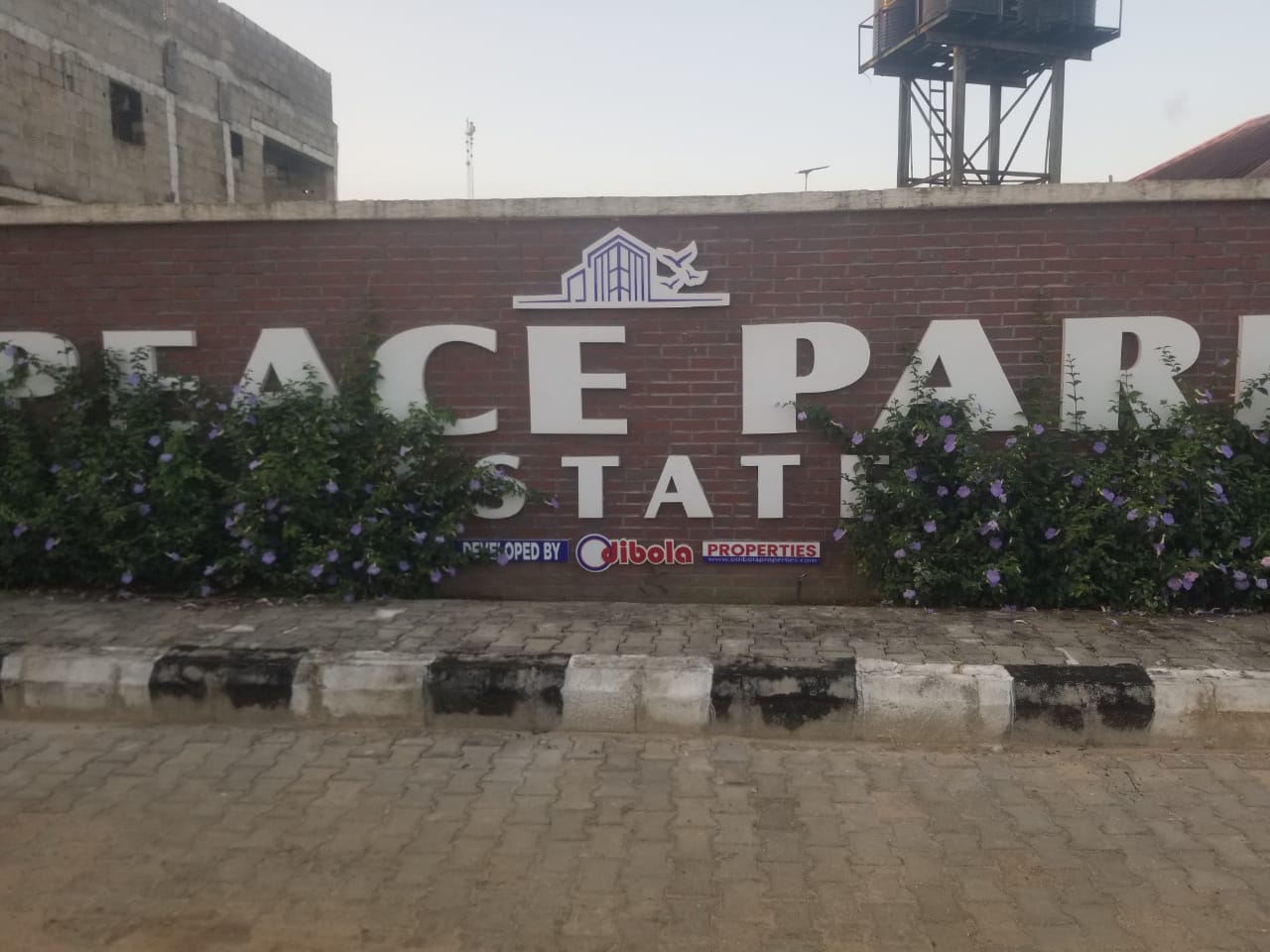
The Amaewhule family of mbodo Aluu in Ikwerre Local Government Area of Rivers State has cautioned members of the public against entering into any land transaction involving a disputed property known as “Ada Oro Fam Land,” located behind the OPM Church along Airport Road.
The family, through its legal counsel, Barrister Ndubuisi Agumagu, issued the warning amid an ongoing legal dispute over the ownership and control of the property, which is said to comprise more than 900 plots of land.
The matter is currently before the Isiokpo High Court of Rivers State in a suit numbered IHC/246/CS/2026, presided over by Justice Sobere Biambo.
The claimants in the suit include Chief Green Amaewhule and others, while Fabulous Amaewhule and Odibola Properties are listed among the respondents.
Counsel to the Amaewhule family, Barr Ndubuisi Agumagu, advised prospective land buyers and members of the public to exercise caution and refrain from purchasing any portion of the disputed property pending the determination of the case by the court.
According to the legal counsel, the property is a family estate belonging collectively to the Amaewhule family, and no individual member of the family has the authority to unilaterally dispose of portions of the land.
The counsel specifically maintained that Fabulous Amaewhule, one of the respondents in the suit, does not have the legitimate authority, according to the family’s position before the court, to sell portions of the disputed property.
The family further warned that anyone who proceeds to purchase land from the respondents while the matter remains before the court would be doing so at their own risk.
It stressed that such buyers could potentially lose their investments should the court eventually deliver judgment against the validity of the transactions.
The legal team said the warning became necessary to prevent unsuspecting members of the public from committing their resources to a property whose ownership and right of disposition are currently the subject of judicial determination.
The family also urged prospective investors, developers and land buyers to conduct proper legal inquiries and obtain independent verification of the status of the property before committing funds to any transaction relating to it.
The Amaewhule family said its position was intended to protect members of the public from possible financial losses and further legal complications while the case remains sub judice, stressing that interested parties should await the final determination of the court.
Akujobi Amadi
-

 Niger Delta4 hours ago
C’River, NUJ Pay Tribute To Late Guardian Editor
-

 Niger Delta4 hours ago
Diri Restates Stance On Lagos-Calabar Coastal Highway
-

 News5 hours ago
NDLEA Recovers Tons Of Illicit Drug Consignments In Nine States
-

 Opinion3 hours ago
Checking Voter Apathy In Nigeria’s Electoral Process
-

 Oil & Energy4 hours ago
S&P Global Warns Hormuz Energy Shock Could Become A Global Food Crisis
-

 Rivers4 hours ago
Education Ministry Condemns Female Virginity Testing In CHS, Taabaa
-

 Oil & Energy4 hours ago
NCDMB, Manufacturers Commit To Scale Up Local Oil And Gas Production Components
-

 Oil & Energy4 hours ago
Gas Reserves Hit 215 Trillion Cubic Feet