
Nation
HYPREP Remains Steadfast In Adhering To International Standards—Zabbey …As Regulators, Asset Owners Hail Project


The Project Coordinator of Hydrocarbon Pollution Remediation Project(HYPREP), Prof Nenibarini Zabbey, has said that the Project remains steadfast in adhering to international standards, processes and protocols, contending that it would continue to engage all stakeholders transparently to achieve set goals and targets.
This is even as regulatory stakeholders, regulators and asset owners have expressed satisfaction with the work so far being carried out by the Project in Ogoniland, commending it for sustaining the momentum of the ongoing cleanup project.
Zabbey, who gave the indication during the third quarter meeting of HYPREP with regulators and asset owners in Port Harcourt on Tuesday, said as an interventionist and community-based project, HYPREP would continue to engage all stakeholders transparently, as it addresses challenges that may arise during project implementation.
To this end, he noted that the continuous support and constructive feedback of regulators and asset owners remains vital in helping the project coordination office overcome challenges and sustain the momentum of progress.
Zabbey said the quarterly meeting with regulators and asset owners serves dual purpose of providing a platform for the Project to share updates on the status of the cleanup project, highlighting areas where further support is required; and allowing “regulators and asset owners to provide constructive feedback that would help our collective approach.”
According to him, the meeting is ultimately designed to catalyse deeper collaboration and synergy between HYPREP and its regulatory stakeholders.
While appreciating and recognising the invaluable roles of the regulators and asset owners in the project’s Quality Assurance and Quality Control(QA/QC) framework, the Project Coordinator said their consistent oversight, technical input, and commitment to upholding standards have remained essential to the integrity of the Ogoni cleanup efforts.
He noted with a sense of satisfaction that Quality Assurance and Quality Control are being given increased attention at all levels of the cleanup project, and solicited for the continuous support of the regulators and asset owners.
“QA/QC considerations are a key part of HYPREP’s policy framework, from the Governing Council decisions to field-level work,” he said, emphasising that this focus ensures that HYPREP’s interventions and activities are executed professionally, safely, and in compliance with national regulatory standards and global best practices, guaranteeing value for money.
“As we continue to consolidate the gains made so far, I want to reassure you that HYPREP remains steadfast in adhering to international standards, processes and protocols”, he said.
Zabbey announced that considerable progress is being recorded across various thematic areas of the cleanup project, including remediation of hydrocarbon-impacted sites; mangrove restoration; provision of potable water; public health interventions; the Ogoni power project; and the construction of the Centre of Excellence for Environmental Restoration; among others.
He said these coordinated interventions are gradually restoring confidence in the cleanup effort and bringing renewed hope to Ogoniland.
The highpoint of the event was the presentation of the performance status of the cleanup project by HYPREP’s Evaluation and Monitoring Unit, which put the construction of the Centre of Excellence for Environmental Restoration at 92.5 percent completion, among other legacy projects.
In their response, the regulators and asset owners were unanimous that HYPREP has recorded remarkable improvement so far in the cleanup efforts, and solicited for more support of the project.
Environmental Resource Manager of the Centre for Environment, Human Rights and Development(CEHRD), Mr Meshack Uyi commended the Project Coordinator and his team for the remarkable improvement recorded so far in the area of environmental remediation and mangrove restoration, describing the Ogoni cleanup as one of the most robust in Africa.
He applauded HYPREP for its human capacity building initiative, saying, building the capacity of Ogoni people and training them to become mangrove vanguards are boosting their economic wellbeing.
Uyi said what is going on in Ogoniland is a learning process for the Niger Delta, saying, “those who think that nothing is happening in Ogoniland, they should come closer and see that a lot is indeed going on, and this can impact on Nigeria, the Niger Delta and Africa.”
He called on people all over the world to come on board to support HYPREP to achieve far greater milestones.
Also, the representative of the Rivers State Ministry of Water Resources and Rural Development, Mrs Doris Wilcox Balafoma commended the Project for doing very well, working and collaborating with its partners, saying, “We are always with them in the field.”
She scored HYPREP 90 percent for its cleanup efforts, insisting, however, that the abandonment of some ongoing water facilities in some Ogoni communities is due to cost variations.
For the Executive Director of the Society for Women And Youth Affairs(SWAYA), Dr Stella Amaine, HYPREP has recorded a great improvement in the area of women inclusion and livelihood restoration.
She, however, noted that she looks forward to the realisation of the 45 percent empowerment quota for women as promised by the Project Coordinator.


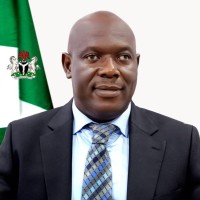
The Hydrocarbon Pollution Remediation Project (HYPREP) has commemorated the 15th anniversary of the release of the United Nations Environment Programme (UNEP) Environmental Assessment Report on Ogoniland, reaffirming its commitment to restoring the environment and improving the livelihoods of affected communities.
In a statement signed by the Project Coordinator, Prof Nenibarini Zabbey, to commemorate the anniversary, HYPREP described the anniversary as a significant milestone in Nigeria’s environmental restoration efforts, noting that the project has made remarkable progress in implementing the recommendations of the landmark UNEP report released on August 4, 2011.
The UNEP report had revealed extensive oil pollution across Ogoniland, severe environmental degradation, and serious public health risks resulting from decades of petroleum operations. It also recommended an initial $1 billion fund to commence the cleanup of the affected communities.
According to HYPREP, the Federal Government formally launched the Ogoni clean-up in 2016, while the Project Coordination Office was established in 2017 to drive the implementation of UNEP’s recommendations.
Zabbey said the current administration has continued to prioritise the project under the Renewed Hope Agenda.
Providing an update on the cleanup, the Project Coordinator disclosed that 30 of the 65 contaminated sites identified by UNEP have been fully remediated, while work is ongoing at several medium- and high-risk locations. It also stated that more than 1.5 million mangrove seedlings have been planted as part of what it described as the world’s largest restoration of oil-degraded mangroves, with over 1,000 hectares of shoreline already rehabilitated.
Zabbey further revealed that 49 Ogoni communities have been connected to potable water schemes through multiple water projects and booster stations aimed at providing safe drinking water across the region.
In the health sector, he said the 100-bed Ogoni Specialist Hospital in Kpite and the 43-bed Cottage Hospital in Buan are nearing completion, adding that several existing health facilities have been upgraded with modern medical equipment, while five ambulances have been donated to improve emergency healthcare services. The Project Coordinator also disclosed that a three-year human health biomonitoring study is being conducted in collaboration with the World Health Organization’s International Agency for Research on Cancer (IARC).
On economic empowerment, Zabbey stated that the Project has created more than 8,000 direct jobs and trained thousands of Ogoni youths and women in various vocational and technical skills, including software development, cybersecurity, aviation, commercial diving, seafaring, mechatronics, and creative arts. The project also reported awarding scholarships to more than 1,000 students, providing grants to small businesses, and supporting persons living with special needs through skills acquisition programmes.
The statement further highlighted ongoing legacy projects, including the Ogoni Power Project and the Centre of Excellence for Environmental Restoration, which it said is about 96 per cent complete. HYPREP also welcomed the recent designation of the Ogoni Wetland as a Ramsar Site of International Importance and pledged to continue promoting biodiversity conservation and sustainable management of the ecosystem.
Marking the anniversary, Zabbey said the progress achieved over the past 15 years demonstrates the collective commitment of government, development partners, stakeholders, and local communities to restoring Ogoniland. He called for renewed collaboration to sustain the cleanup effort, promote environmental sustainability, and support the long-term development of the region. 3
-

 News2 days ago
RSG Targets Nine Million Residents in Mosquito Net Distribution Campaign
-

 Oil & Energy1 day ago
Aiyedatiwa Signs New Electricity Bill
-

 Oil & Energy1 day ago
NLNG Commissions Research And Innovation Centre In RSU
-

 Maritime1 day ago
Marine Minister Commends President Tinubu On NPERA Bill Assent
-

 News2 days ago
KenPoly Holds Eight Convocations, August 29
-

 News2 days ago
RSG Begins Another Phase of Projects Commissioning Today
-

 News2 days ago
RMAFC Completes Revenue Sharing Review, Proposes New Pay
-

 Maritime1 day ago
NAGAFF Petitions IGP Over Alleged Maritime Police Harassment