
Business
Foreign Reserves Drop By $2.7bn In Two Months

The nation’s foreign exchange reserves tumbled by $2.88 billion in less than two months to $31.79 billion as at February 23, declining at a faster pace than predications by financial experts, according to data released by the Central Bank of Nigeria (CBN) last week.
The current stock of external reserves revealed a drop of about eight per cent from the balance of $34.47 billion recorded as at December 31, 2014.
Meanwhile, the naira crashed further last Wednesday as it closed at N201.84 against the United States’ Dollar at the interbank market where all demands for forex are now being channeled.
The currency had closed at N200.80 on Tuesday.
The CBN sold dollars to the Bureau De Change segment of the market at N200.98 last Wednesday, t he President of the Association of Bureau de Change of Nigeria, Mr Aminu Gwadabo, told our correspondent, adding that the street market rate was N225 to a dollar.
The CBN had last week closed Auction System Foreign exchange window as part of efforts to preserve the country’s depleting forex reserves and avert the emergence of multiple exchange rate regime.
The Managing Director, Financial Derivatives Company Limited, Mr Bismarck Rewane who had earlier this month predicted that the external reserves would fall to $32 billion in March told our source in a telephone interview that the depletion of the reserves was the more reason why the rDAS had to be scraped.
“That is the more justification for a steeper devaluation of the naira. If the demand for something is high, you increase the price so that people will reduce demand,” he said.
Analsysts at BGL Plc had in January said the country’s external reserve might drop below $30 billion by the end of the second quarter of this year if the oil price trend continued below $65 per barrel.
“The reserves are just a cushion. The cushion only increases when you have surpluses.
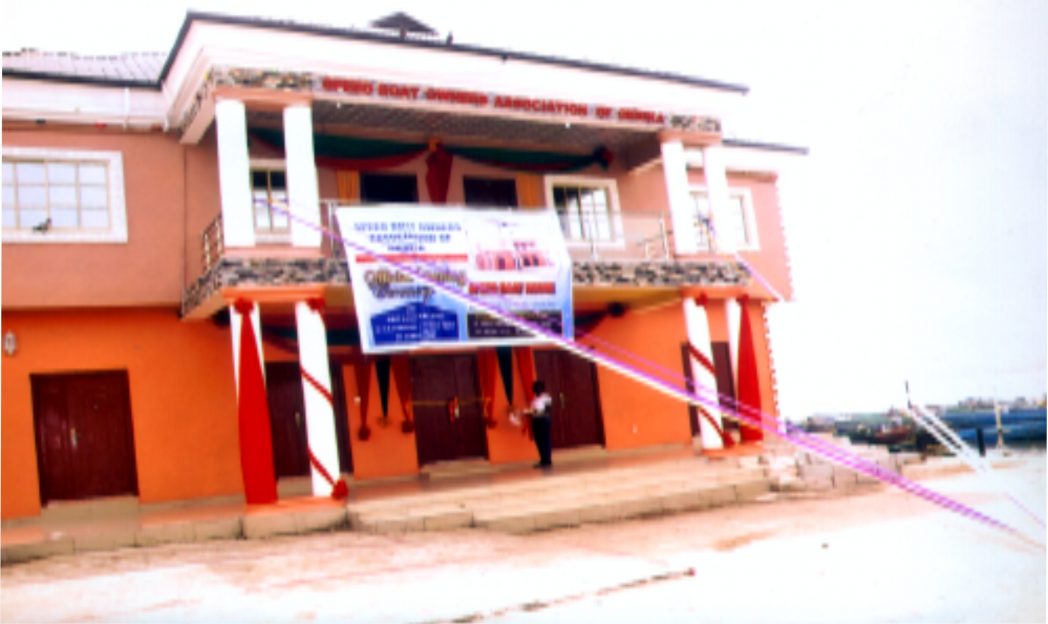
The newly built Speed Boat House commissioned by the Speed Boat Owners Association of Okrika at the ATC waterfront, Okrika.



-

 Editorial5 days ago
Enough Of Xenophobic Attacks On Nigerians
-

 Sports5 days ago
Oparaodu Urges Rivers United To Win Katsina United
-

 Education5 days ago
UNIPort Senate Grants Two-Year Amnesty to U2010–U2018 Students
-

 Nation4 days ago
RSU, Otonti Nduka Foundation Holds Centenary Conference, Unveil Book on Values in Nigeria
-

 Oil & Energy4 days ago
Rivers PETROAN Elects 12-Member Executive
-
Politics5 days ago
APC Group Protests Ex–Presidential Aspirant’s Disqualification From Rivers Senatorial Race
-

 Sports5 days ago
” Nigeria’s best domestic players are not in NPFL”
-
Politics5 days ago
Reps Speaker Secures APC Return Ticket For Fifth Term