
Education
UNESCO Alerts On Problems Of Sub-Saharan School Children

The UNESCO Education for All Global Monitoring Report (EAGMR) on Thursday said sub-Saharan Africa accounted for 44 per cent of children battling to go to school.
The figure is contained in a statement issued by Kate Redman, the Communications Specialist, Education For All Global Monitoring Report (EFAGMR) of UNESCO in Abuja.
The statement noted that the 44 per cent was from the 28.5 million children affected in sub-Saharan Africa, while 19 per cent of the children were affected in South and West Asia and 14 per cent in Arab states.
The UNESCO report indicated that the vast majority of the 95 per cent of out-of-school children live in low and lower-middle income countries.
It added that girls who constituted 55 per cent of the total, were the worst affected, as they were often the victims of rape and sexual violence that accompanied armed conflicts.
It stated that in almost a third of the world’s out-of-school adolescents, 20 million live in conflict affected countries, adding that 54 per cent of them were women.
According to the statement, the number of out-of-school children has fallen globally from 60 million in 2008 to 57 million in 2011.
It, however, noted that the decrease was yet to reach children in conflict-affected countries “as they make up 50 per cent of children who are denied education”.
The statement also revealed that the share of humanitarian aid for education had declined from two per cent in 2009 to 1.4 per cent in 2011.
“Not only does education receive a small share overall, but it also receives the smallest proportion of the amount requested from humanitarian aid of any sector,’’ it added.
Cavaco Silva’s move prompted sharp criticism in a country that has descended into its worst economic slump since the 1970s under the weight of austerity imposed by the bailout.
Portuguese assets fell in response. Stocks declined 1.4 per cent and 10-year bond yields climbed six basis points to 6.95 per cent.
“The president of the republic decided to overcome the political stalemate between the parties in the ruling coalition by adding another problem to the one that already existed,’’ wrote daily Publico in an editorial. “He decided to take power.’’
Such accusations are not made lightly in a country that had Western Europe’s longest dictatorship under Antonio Salazar.
Under Portugal’s constitution, the president has the power to dissolve parliament and call elections.
Cavaco Silva said the coalition government would remain in office but he rejected a proposed cabinet reshuffle by the ruling Social Democrats and their junior coalition partner, the rightist CDS-PP party.
The crisis was sparked by the resignation of Foreign Minister Paulo Portas last week, threatening the continuation of the government as Portas leads the rightist junior coalition party, the CDS-PP.
Prime Minister Pedro Passos Coelho held emergency talks last week with Portas and announced on Saturday that he would promote Portas to become deputy prime minister and put him in charge of economic policy coordination to fix the rift.
A senior cabinet minister in the former Socialist government, Pedro Silva Pereira, said the president’s intervention had thrown the future into doubt.
The plan would have avoided the necessity of elections in the short-term, which could have interrupted reforms under the bailout and negotiations with creditors.
“After the turmoil of last week when it seemed a solution had been found, the announcement of the president comes as a surprise,’’ said analysts at Espirito Santo Research in a note.


Education
Abia State University Screens First Class Graduates From The 30-32nd Convocation For Employment

-
News4 days ago
Rivers Court Jails Man Seven Years For Defiling Minor …Directs N5 Million Upkeep For Victim
-
News4 days ago
Alleged Coup Plot: DSS Docks Five For Hiding Sylva’s Whereabouts
-
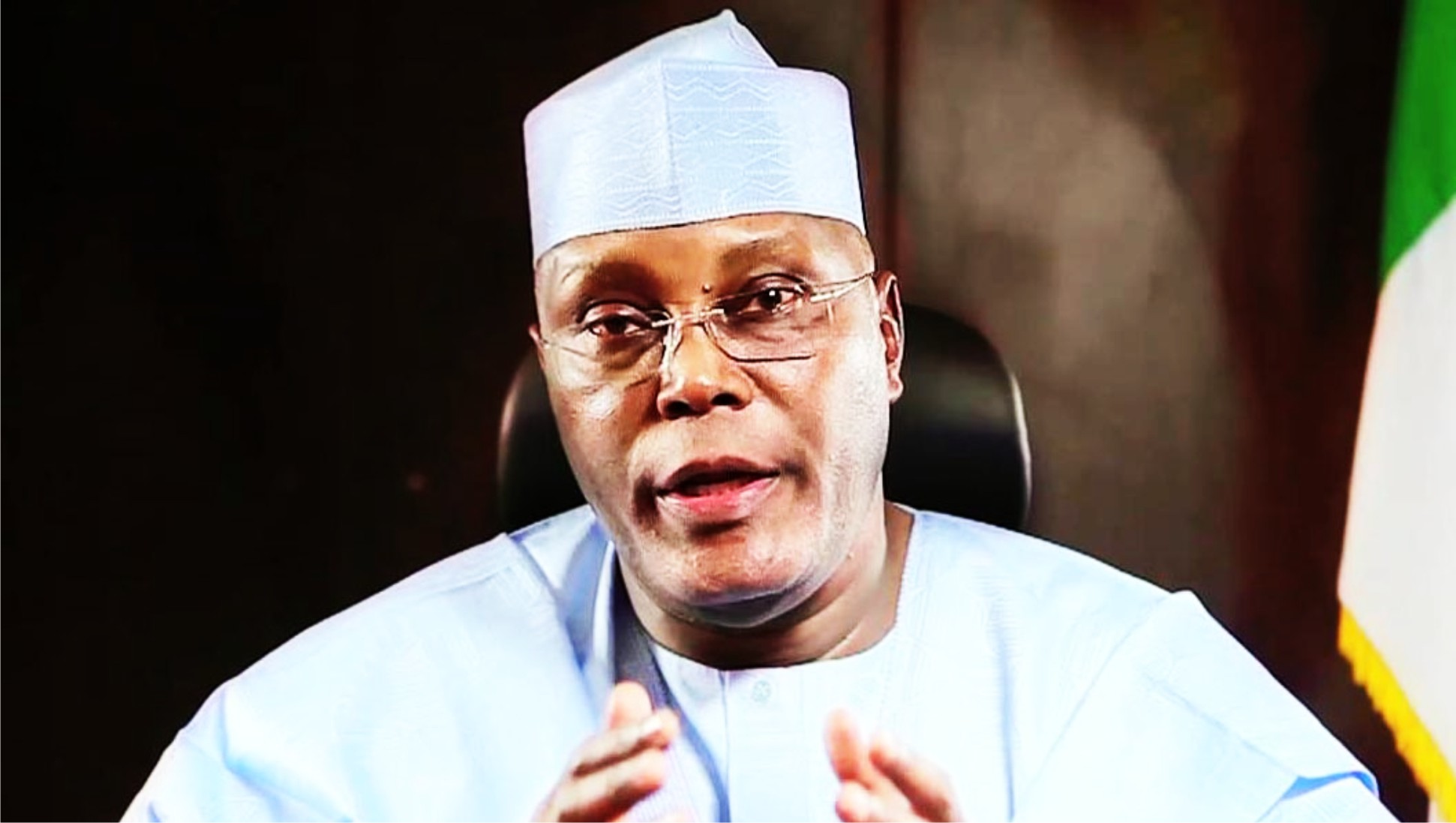 Politics4 days ago
Atiku Names Kenneth Okonkwo As Spokesperson
-
Niger Delta4 days ago
24 Nigerian Universities Make 2026 THE Rankings … 4 S’South Versitieis Pull Through
-

 News4 days ago
FG To Replace NYSC Khaki With Adire
-
News4 days ago
BOI Unveils Maiden Impact Report, Disburses N644.9bn In 2025
-

 News4 days ago
Fubara Seeks Full Resolution Of Bille Gas Leakage …Pledges Upgrade Of Community Health Centre
-
Women4 days ago
NAWOJ Seeks Partnership With Hotel Presidential On Summit