
Business
NECA: Nigeria’s Debt Profile Unsustainable

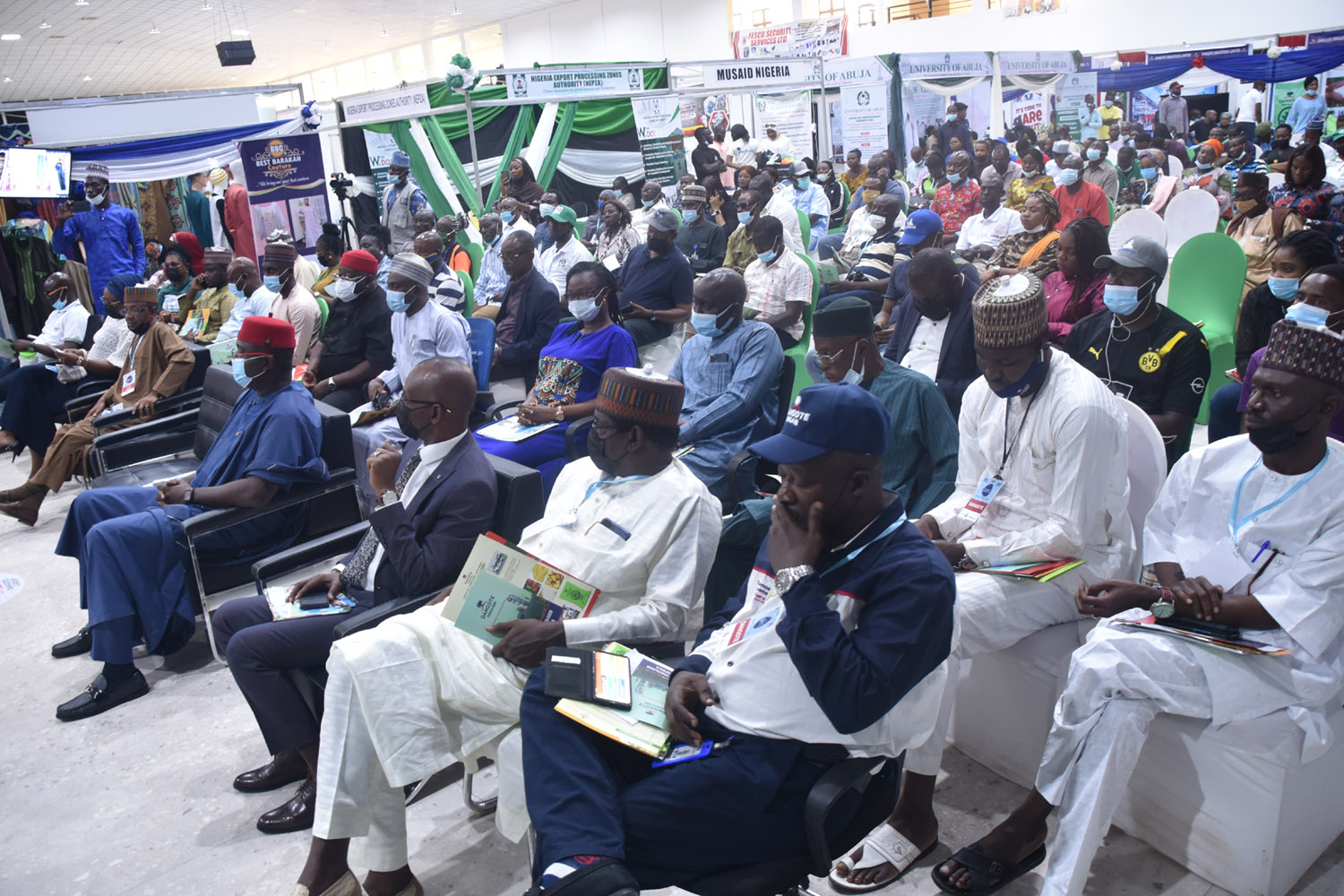
The Nigeria Employers Consultative Association (NECA) says the nation’s debt profile is worrisome and unsustainable for the economy.
NECA director-general, Timothy Olawale while advising the federal government to adopt the public-private-partnership (PPP) approach to carry out infrastructural developments, said it would help the situation.
Earlier in September, the Debt Management Office (DMO) announced that Nigeria’s total public debt (federal and state governments) rose to N35.46 trillion at the end of the second quarter (Q2) of 2021 — an increase of N2.3 trillion in three months.
Lai Mohammed, minister of information and culture, had defended the federal government’s borrowing plans, saying the loans are being used to construct critical infrastructure for the benefit of Nigerians.
“We applaud the mammoth infrastructural development being carried out by this administration since inception; however, it is our belief that more can be achieved with the huge natural, human resources and capabilities available within the economy, if managed appropriately,” Olawale said.
“Not to say the least, the debt profile currently at N35.5 trillion is worrisome and unsustainable for an economy like ours.
“The Association is more concerned with a growing economy, where every economic concern generates sufficient revenue that could pay-off reasonably its debt provisions with less impact on its future earnings and accumulates huge foreign reserves.
“As infrastructural provision is critical to any development for any economy with the robust and friendly business environment, we call for more collaborative efforts in the form of Public-Private Partnership, PPP, in addressing the huge infrastructure deficits, in a very short term and at a cheaper rate.
“It is our belief that implementing the PPP initiative in provision of the country’s critical infrastructure, decent and sustainable jobs will be provided and desirable number of people will be lifted from the poverty rank even before the desired date of 2030.
“More so, there is need to review the rising cost of governance and block the leakages in governance, which is becoming a clog to development.”


-

 Niger Delta3 days ago
Warri Airport Manager Disputes Air Peace Bird Strike Claim
-

 News3 days ago
Nigeria Won’t Surrender Any Territory To Criminals -Tinubu
-

 News3 days ago
FG Begins Trial Of Over 600 Terrorism Suspects
-

 Rivers3 days ago
79th IAUE Inaugural Lecture: Prof Anero Advoctes Tuition-Free Education For Children
-

 Politics3 days ago
Parties’ Deregistration: How Justice Lifu Overruled Appeal Court Justices
-

 Politics3 days ago
ADC: Okonkwo Rejects Amaechi As Presidential Running Mate, Withdraws Support
-

 News3 days ago
Rivers Judges Commence Annual Vacation, July 20
-

 Politics3 days ago
2027: Tinubu’s Projects Give APC Edge In South East – Yilwatda