
Business
Oil Price Rises Above $34, As OPEC Meets, Today

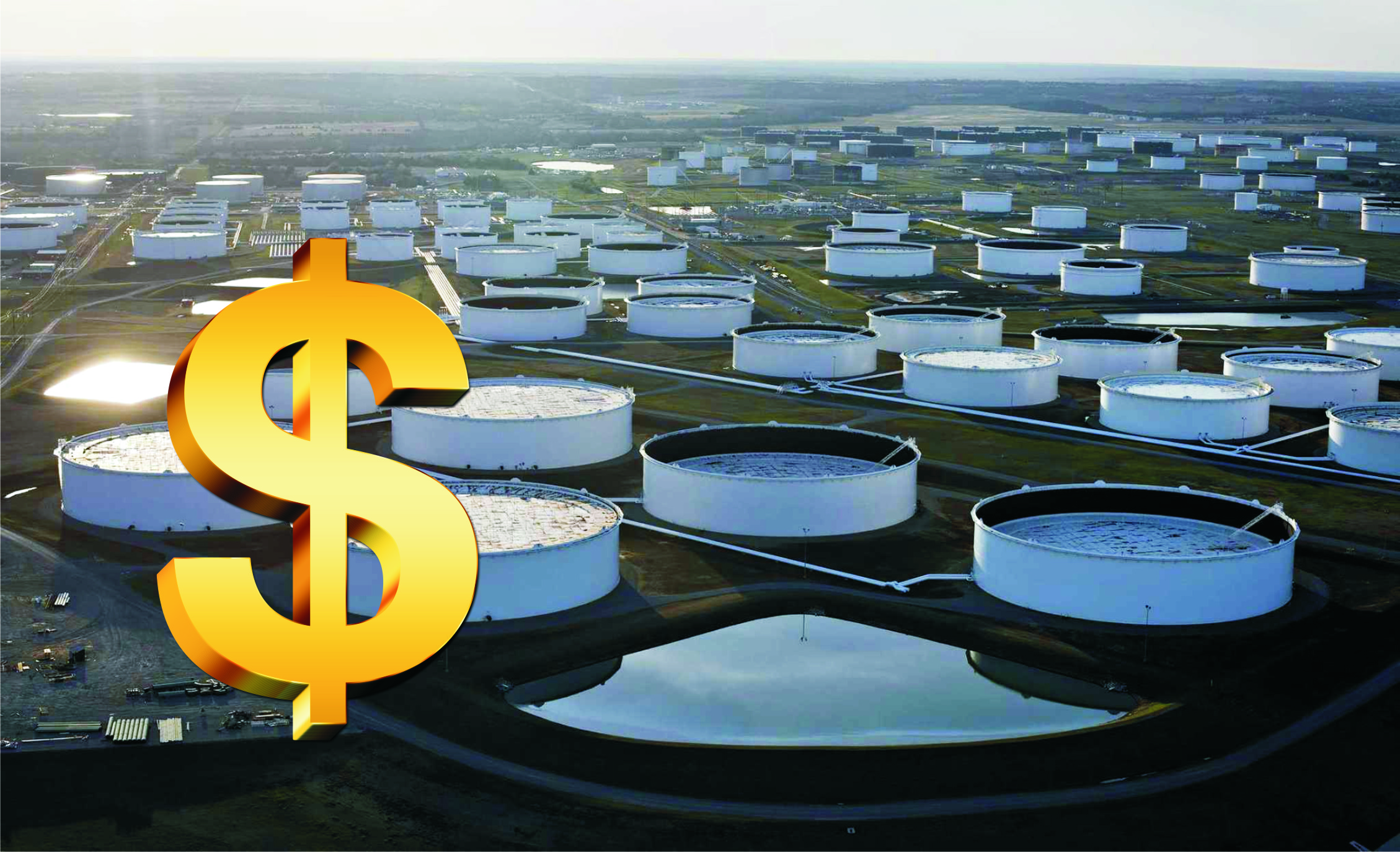
The international oil benchmark, Brent crude, extended its gains last Friday, climbing to as high as $34.91 a barrel on rising hopes of a new global deal to cut crude supply.
Brent soared as much as 47 per cent last Thursday for its highest intraday percentage gain on record.
The upturn in crude oil prices came after the United States President, Donald Trump, said he expected that Saudi Arabia and Russia would agree to new oil production cuts.
Brent had fallen to an 18-year low of $22 per barrel as at last Monday as a coronavirus-driven lockdown severely reduced oil demand amid an escalating price war between Saudi Arabia and Russia.
The Federal Government, which was looking to generate 32.34 per cent (N2.64tn) of expected total revenue from oil, was forced to propose the reduction of the benchmark to $30 from $57 on the back of the sharp drop in oil prices.
The Organisation of Petroleum Exporting Countries (OPEC) and its allies, led by Russia, are working on a deal for an unprecedented production cut equivalent to about 10 per cent of global supply, an OPEC source said, according to Reuters.
Oil prices slumped 65 per cent in the first quarter of this year on a demand slump caused by the global coronavirus outbreak and moves by Russia and Saudi Arabia to flood the market after their failure last month to extend much smaller OPEC+ supply cuts.
A meeting of OPEC and its allies, a grouping known as OPEC+, has been scheduled for Monday, (today) the Azerbaijan energy ministry said, but details on the distribution of production cuts were thin on the ground.
Trump said last Thursday that he had spoken with both Russian President, Vladimir Putin and Saudi Crown, Prince Mohammed bin Salman, and they had agreed to reduce supplies by 10 million to 15 million barrels per day out of total global supply of about 100 million bpd.
Trump said he did not make any concessions, such as agreeing to a US production cut – a move forbidden by US anti-trust legislation.
The Head of the International Energy Agency, Fatih Birol, said that even if OPEC+ cut supply by 10 million bpd, global oil stocks would build by 15 million bpd in the second quarter.
“With a now discussed cut of 10 million bpd … the oil industry would get at least three weeks more room to prepare for hitting the wall when there are no more places to put the excess production,” said Rystad Energy’s Per Magnus Nysveen.



Business
Jonathan, Diri, Others Laud Firm’s Milestone in Bayelsa …Says Project Will Drive Industrialisation, Create Jobs



-

 News2 days ago
RSG Targets Nine Million Residents in Mosquito Net Distribution Campaign
-

 Oil & Energy2 days ago
Aiyedatiwa Signs New Electricity Bill
-

 Maritime2 days ago
Marine Minister Commends President Tinubu On NPERA Bill Assent
-

 Oil & Energy2 days ago
NLNG Commissions Research And Innovation Centre In RSU
-

 News2 days ago
KenPoly Holds Eight Convocations, August 29
-

 News2 days ago
RSG Begins Another Phase of Projects Commissioning Today
-

 News2 days ago
RMAFC Completes Revenue Sharing Review, Proposes New Pay
-

 Maritime2 days ago
NAGAFF Petitions IGP Over Alleged Maritime Police Harassment