
Business
PH Residents Express Mixed Feelings On Cashless Policy

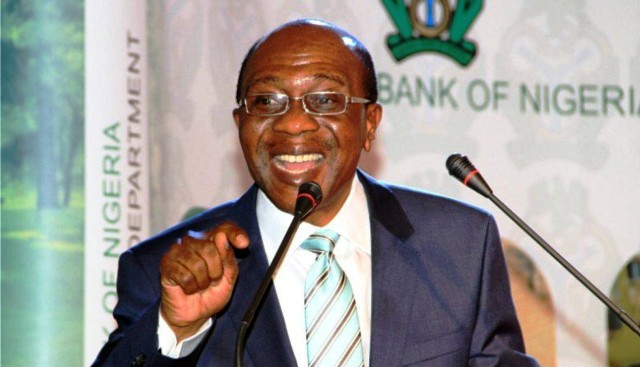
Ahead of the full implementation of the Central Bank of Nigeria’s (CBN) cashless policy across the nation from April, many Nigerians have expressed mixed feelings about the policy.
While some hailed the move as a welcome development, many others said as long as the banks did not have control over the telecoms service providers, its success was far-fetched
They reasoned that service charges and poor network services, as well as poverty and illiteracy would hinder the progress
A school teacher, Mrs Koru Akugbo said, “the service providers will frustrate the efforts of CBN. When you want to transfer, sometimes the money would not go, you’d be having transaction error.
“At other times, the money would leave your account, you’d even be debited, but it would not hit the recipient’s account. And you can’t carry out another transaction because you now have insufficient balance and the recipient urgently needs the money. It can be frustrating”.
Another respondent who simply gave his name as Nkwocha, noted that the charges of online transactions were too high and differ from bank to bank and asked, “why can’t they make the charges minimal and uniform”?
However, a real estate practitioner, Mr Pedro Opono, said the policy, when fully implemented, would be beneficial as it would reduce the movement of huge physical cash, which he opined would in turn reduce risk of theft and robbery.
He further said that the cashless policy would reduce the cost of transporting large amounts of cash.
Also speaking, a financial analyst, Frank Ele, described the CBN policy as apt, saying “the world is moving towards digitalisation”.
He observed that world economies were moving towards making a global village, where economic transactions would only be a click away.
According to him, “it will help to take our financial inclusion further, if you ask me. We have to grow alongside the rest of the world. The world has gone digital in many places and cashless policy is an integral part”.
He noted, however, that the greatest challenge the policy would face would be that of communication.
According to him, “because if you have to do cashless, it would affect the rural areas, the rural dwellers don’t know what you mean by Wi-Fi and they couldn’t be bothered by it. It would require them to spend the money you have told them they would save on transport to buy internet access. CBN would have to work on that”.
Recall that the CBN had earlier started the policy in Lagos, Ogun, Kano, Anambra, Abia and Rivers States and the Federal Capital Territory.
By: Tonye Nria-Dappa


Business
IPMAN Raises Concern Over Delay In Chinese Refinery Deal …Predicts Lower Fuel Prices Through Competition


-
Rivers3 days ago
Rivers Police Uncovers Firearm Concealed In Loaf Of Bread
-

 Niger Delta3 days ago
Pro-Chancellor Hands Over Okey Onuchuku Peace, Conflict Institute Building
-
Sports3 days ago
Six Nigerians To Play For NBA Teams
-

 Business3 days ago
IPMAN Raises Concern Over Delay In Chinese Refinery Deal …Predicts Lower Fuel Prices Through Competition
-

 News3 days ago
Fubara Reaffirms Commitment To Blue Economy, Private Sector Growth …Calls For Protection Of Marine Resources
-
Business3 days ago
Gas Economy: Decade of Gas, Pi-CNG/ EV Deepen Media Engagement
-
Business3 days ago
Navy Hands Over Five Suspected Stowaways to NIS
-

 Politics3 days ago
Senate Defends Passage Of State Police Bill