
Oil & Energy
FG, Working Out Equitable Electricity Tariffs – Minister

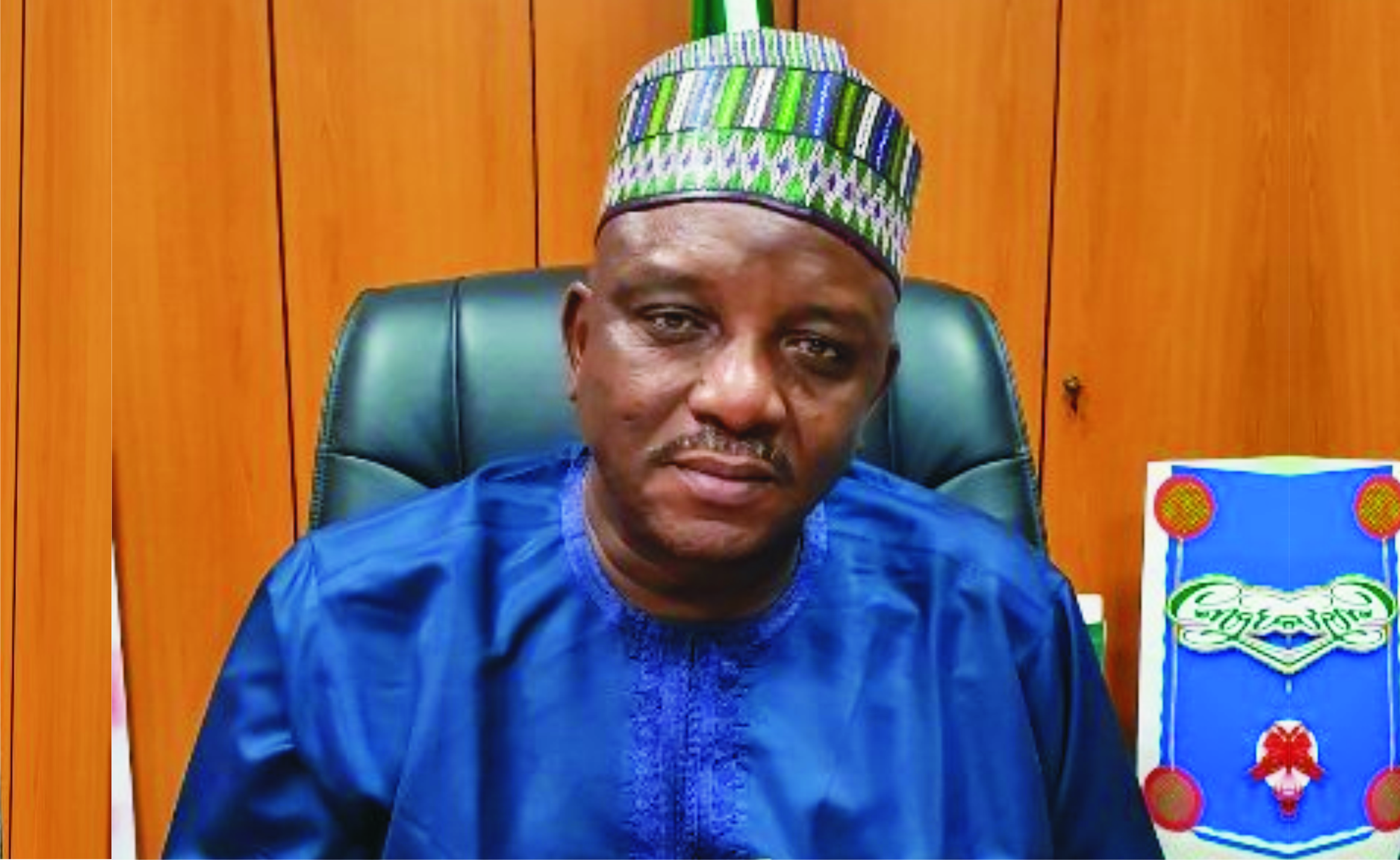
The Minister of Power, Engr. Sale Mamman says the ministry and stakeholders of the electricity market are working towards the establishment of a predictable and equitable regulatory regime from the perspective of rate payers and investors.
The minister, who had earlier raised the alarm over the widening liquidity gap in the Nigeria Electricity Supply Industry (NESI), said there was need to reinforce market structures and enhance transparency.
Speaking at the International Conference on Energy, Power Systems Operations and Planning (ICEPSOP 2020) in Abuja, Engr Mmman, said the ministry was already working hard to address the challenges by improving metering.
The theme of the conference was: “Empowering Micro Grif with Smart Grid Attributes Development in United States and Africa.”
He said the ministry of power, in collaboration with the Central Bank of Nigeria (CBN), Federal Ministry of Finance, and other relevant stakeholders, would consolidate a portfolio of activities deemed critical to the success of the electricity market.
He said: “The widening liquidity gap in the sector makes urgent, the need to reinforce market structures and enhance transparency. To address this challenge we are working hard to improve metering in general and in particular the use of smart meters as well as smart grids.
“In addition, the ministry is coordinating with the regulator, Ministry of Finance, the CBN, and other stakeholders to consolidate a portfolio of activities deemed critical to success.
These include refinement of commercial, technical, and regulatory components of transaction agreements; promotion of discipline; enforcement of contract effectiveness a day; establishing a predictable and equitable regulatory regime from the perspective of rate payers and investors.”
The minister said the ministry is focusing on electricity access for the teeming population through the use of mini-grid and micro-grid, noting that energy access has been a perennial issue particularly in sub-Saharan Africa.
Citing industry data, he said out of the 1.2 billion people without access to electricity, about half of them reside in the region.
He added that electrification rate in Nigeria stands at 55 per cent in urban and 36 per cent in rural communities, but assured that there are already measures in place to promote rural electrification.
Also speaking at the event, the chairman, Nigerian Electricity Regulatory Commission (NERC), Prof. James Momoh, said the conference was to provide the required environment to explore innovative regulatory approaches in promoting efficient and competitive service delivery involving deployment of smart and micro -grid technologies.
The chairman, House Committee on Power, Hon. Magaji Aliyu said as the country battles to generate, transmit and distribute electric power, the country has serious challenges reaching most of the rural areas.
He insisted that the issue of mini-grid development has become crucial in addressing the issue of power supply to remote areas of the country.



-

 Niger Delta3 days ago
Warri Airport Manager Disputes Air Peace Bird Strike Claim
-

 News3 days ago
Nigeria Won’t Surrender Any Territory To Criminals -Tinubu
-

 News3 days ago
FG Begins Trial Of Over 600 Terrorism Suspects
-

 Politics3 days ago
Parties’ Deregistration: How Justice Lifu Overruled Appeal Court Justices
-

 Rivers3 days ago
79th IAUE Inaugural Lecture: Prof Anero Advoctes Tuition-Free Education For Children
-

 Politics3 days ago
ADC: Okonkwo Rejects Amaechi As Presidential Running Mate, Withdraws Support
-

 Politics3 days ago
2027: Tinubu’s Projects Give APC Edge In South East – Yilwatda
-
News3 days ago
Forum Expresses Confidence In APC Candidates’ Performance In Rivers