
Business
CBN Gets New Deputy Gov

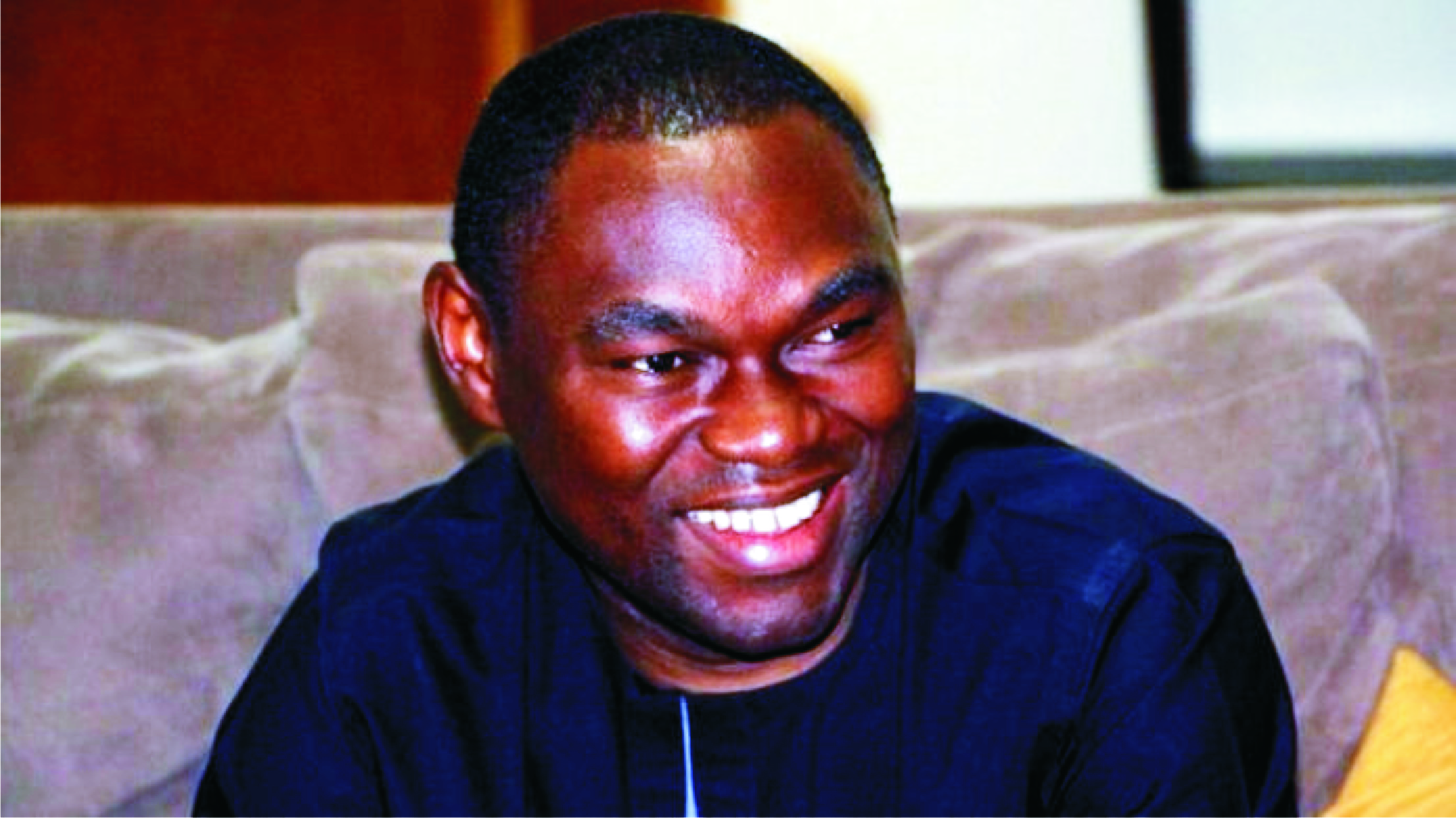
President Muhammadu Buhari has nominated Dr. Kingsley Obiora as Deputy Governor of the Central Bank of Nigeria (CBN).
If confirmed by the Senate, Dr. Obiora will replace Dr. Joseph Nnanna, who retires on February 2, 2020.
Special Adviser to the President on Media and Publicity, Femi Adesina, in a statement issued yesterday in Abuja, said the President has already forwarded a letter nominating Dr. Obiora to the President of the Senate, Ahmad Ibrahim Lawan.
“President Muhammadu Buhari has sent the name of Dr. Kingsley Isitua Obiora to the Senate for confirmation as Deputy Governor of the Central Bank of Nigeria.
“In a letter to President of the Senate, Ahmad Ibrahim Lawan, President Buhari said the nomination was in accordance with the provision of Section 8(1) (2) of the Central Bank of Nigeria (Establishment) Act 2007.
“Dr. Obiora, upon confirmation by the Senate, replaces Dr. Joseph Nnanna, who retires on February 2, 2020.
“Dr. Obiora holds a Bachelor’s degree in Economics and Statistics from the University of Benin, a Masters in Economics from the University of Ibadan, and a Doctorate in Monetary and International Economics, also from the University of Ibadan.
“He is currently an Alternate Executive Director in the International Monetary Fund (IMF) in Washington DC, United States of America”, the statement said.
Since joining IMF as an Economist in 2007, Dr. Obiora has worked in various countries in Europe, Africa, and Asia.
While on leave from the IMF, he worked with the Nigerian government as Special Assistant to the President’s Chief Economic Adviser and Technical Adviser to the National Economic Management Team.



-

 Editorial4 days ago
Enough Of Xenophobic Attacks On Nigerians
-

 Sports4 days ago
Oparaodu Urges Rivers United To Win Katsina United
-

 Education4 days ago
UNIPort Senate Grants Two-Year Amnesty to U2010–U2018 Students
-

 Nation4 days ago
RSU, Otonti Nduka Foundation Holds Centenary Conference, Unveil Book on Values in Nigeria
-

 Oil & Energy4 days ago
Rivers PETROAN Elects 12-Member Executive
-
Politics4 days ago
APC Group Protests Ex–Presidential Aspirant’s Disqualification From Rivers Senatorial Race
-

 Sports4 days ago
” Nigeria’s best domestic players are not in NPFL”
-
Politics4 days ago
Reps Speaker Secures APC Return Ticket For Fifth Term