
Business
Implementation Of Cashless Policy Is In Public Interest –Emefiele

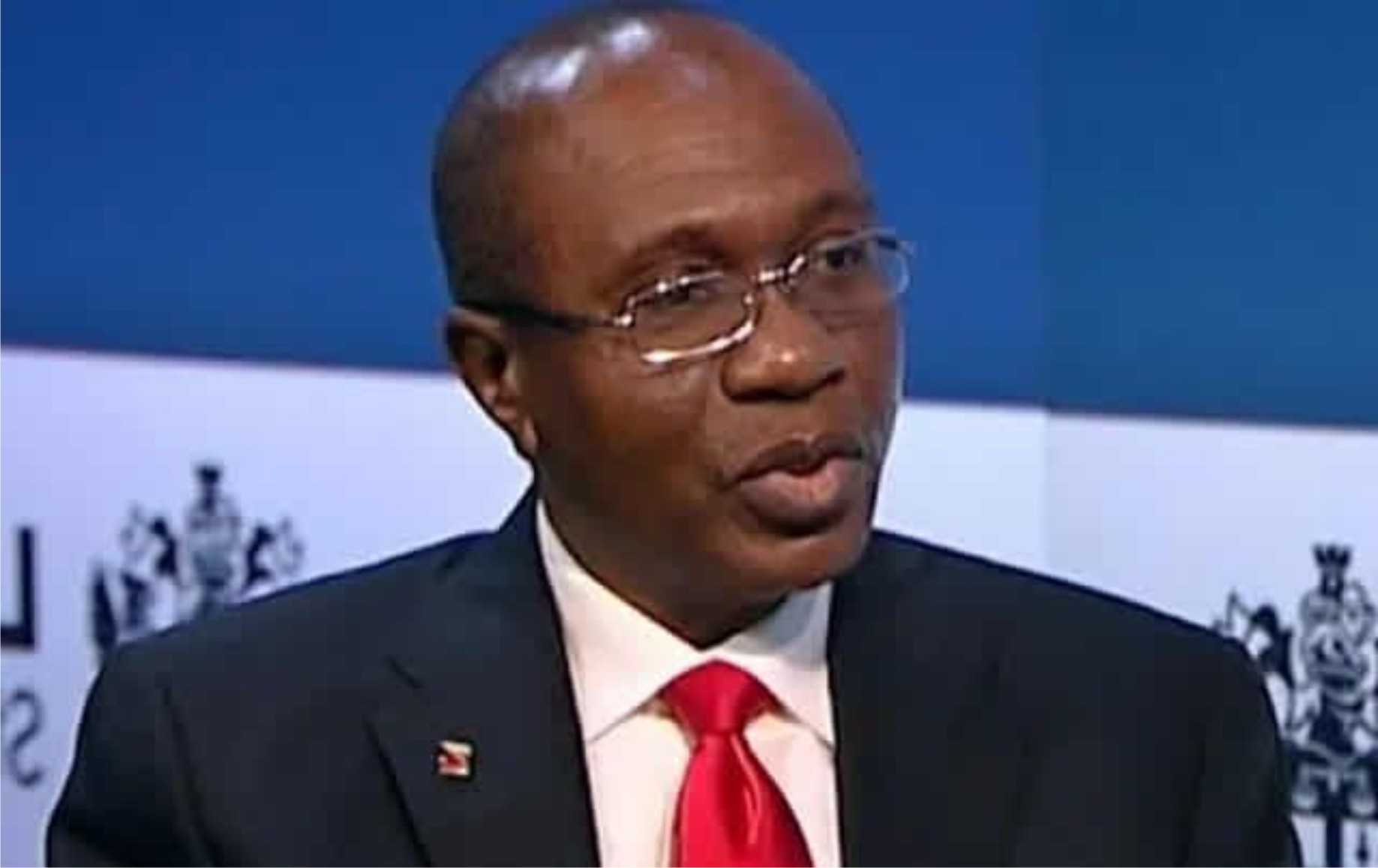
The Governor of Central Bank of Nigeria (CBN) Mr Godwin Emefiele says the implementation of cashless policy in six states of the federation is in public interest to promote efficient payment system.
Emefiele stated this while fielding questions from journalists after the Monetary Policy Committee meeting held in Abuja, last Friday.
The CBN had, last Tuesday issued a circular to deposit banks to commence the implementation of the cashless policy in six pilot states across the country.
The apex bank directed that implementation should commence from Sept 18 in Lagos, Ogun, Kano, Abia, Anambra, and Rivers States, as well as the Federal Capital Territory (FCT).
It, however, stated that the nationwide implementation of the cashless policy would take effect from March 31, 2020. The CBN explained that transactions will attract three per cent processing fees for withdrawal and two per cent processing fees for lodgement of amounts above N500, 000 for individual accounts.
Similarly, corporate accounts will attract five per cent processing fees for withdrawal and three per cent processing fee for lodgement of amounts above N3 million.
The CBN’s directive has, however, received knocks from many Nigerians.
Reacting, Emefiele said the policy was not new as it was inaugurated in the country in 2012 and implementation began in 2014 while several engagements were held across multiple stakeholders before its commencement.
He said withdrawal charges had been in place since then, only deposit charges were new now to some people though it was part of it from beginning but later withdrawn.
“The policy says if you deposit money in the bank above a particular threshold which for individual is N500,000 and N3 million for corporate bodies, then you will be charged, same for withdrawal.
“It has been like this but after stakeholders engagement, we agreed that it was too early to begin to charge people who want to deposit money in banks.
“We agreed at that time that they were a lot of cash outside the bank industry and there is no need to penalise the people who want to bring in their money to the banks and then we relaxed the essence of charging on deposit.
“We expected that after five years, that is from 2015 to 2019, all cash kept in peoples’ houses should have been brought to the banks,” he explained. He announced that full cashless policy would commence all over the country by March, 2020.
He stated that the policy was not designed to defranchise hard working Nigerians as perceived by some categories of people.
According to him, a data conducted, revealed that close to 95 per cent of cash deposited and withdrawn fall bellow this threshold.


Business
IPMAN Raises Concern Over Delay In Chinese Refinery Deal …Predicts Lower Fuel Prices Through Competition


-
Rivers3 days ago
Rivers Police Uncovers Firearm Concealed In Loaf Of Bread
-

 Niger Delta3 days ago
Pro-Chancellor Hands Over Okey Onuchuku Peace, Conflict Institute Building
-
Sports3 days ago
Six Nigerians To Play For NBA Teams
-

 Business3 days ago
IPMAN Raises Concern Over Delay In Chinese Refinery Deal …Predicts Lower Fuel Prices Through Competition
-

 News3 days ago
Fubara Reaffirms Commitment To Blue Economy, Private Sector Growth …Calls For Protection Of Marine Resources
-
Business3 days ago
Gas Economy: Decade of Gas, Pi-CNG/ EV Deepen Media Engagement
-
Business3 days ago
Navy Hands Over Five Suspected Stowaways to NIS
-

 Politics3 days ago
Senate Defends Passage Of State Police Bill