
Business
FG Injects N400bn Into Economy – DMO

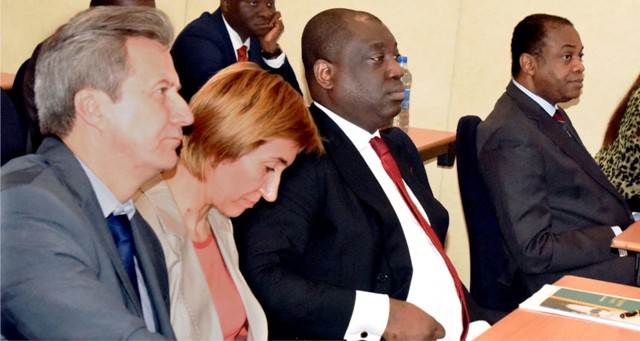
Mrs Patience Oniha, Director-General, Debt Management Office, said in Lagos on Friday that the Federal Government had released about N400bn government securities into the economy to service its debt and improve liquidity.
Oniha made the assertion at the 2nd Vanguard Economic Discourse tagged; “Economy in Rebound: Pitfalls, Trajectories and Resetting.’’
She said the fund was government’s strategy to reduce its debt profile and reduce interest rate on government’s lending from 18 per cent to 14 per cent.
Oniha explained that this would improve the ability of financial institutions to lend to the real sector.
She, however, wondered why the benefits of government’s reduced borrowing through the funds released from December till date were not reflecting in increased funding to the real sector.
According to her, there is an urgent need for reforms on population, infrastructure development, and scaling up actions to meet the expectations of the citizens.
Also speaking, Managing Director, Development Bank, Mr Tony Okpanachi, said the bank would collaborate with financial institutions to work out modalities to finance new entrepreneurs.
According to him, the bank will provide more funds to bridge the gap of long term financing for Micro, Small and Medium Enterprises, to create more jobs.
He noted that the nation’s youthful population would be leveraged upon to increase government revenue, taxes and production.
Chairman, Nigerian Economic Summit Group (NESG), Mr Kyari Bukar, described 2016 as the worst recession in the recent history of Nigeria.
According to Bukar, the 2017 recession was over and Nigeria was on the path of recovery.



Business
Jonathan, Diri, Others Laud Firm’s Milestone in Bayelsa …Says Project Will Drive Industrialisation, Create Jobs



-

 News3 days ago
RSG Targets Nine Million Residents in Mosquito Net Distribution Campaign
-

 Oil & Energy3 days ago
Aiyedatiwa Signs New Electricity Bill
-

 Oil & Energy3 days ago
NLNG Commissions Research And Innovation Centre In RSU
-

 Maritime3 days ago
Marine Minister Commends President Tinubu On NPERA Bill Assent
-

 News3 days ago
KenPoly Holds Eight Convocations, August 29
-

 News3 days ago
RSG Begins Another Phase of Projects Commissioning Today
-

 News3 days ago
RMAFC Completes Revenue Sharing Review, Proposes New Pay
-

 Maritime3 days ago
NAGAFF Petitions IGP Over Alleged Maritime Police Harassment