
Business
Afreximbank Tasks African Leaders On Infrastructure Deficit

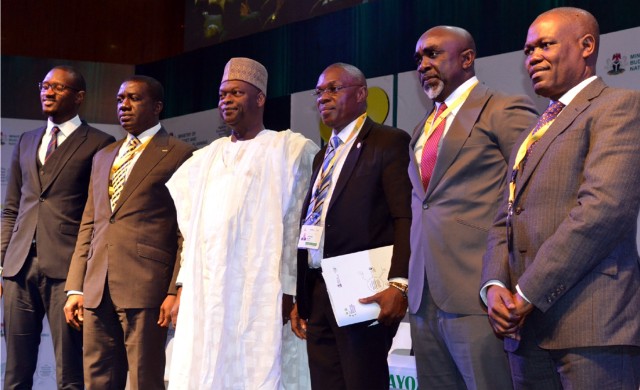
The President of the African Export-Import Bank (Afreximbank), Dr Benedict Oramah has urged African leaders to use migrant resources, which have amounted to more than $110 billion, to fund key infrastructure deficit.
Oramah gave the advice at the Frontier 100 Forum in Washington D.C., according to a statement issued in Lagos by the bank’s Head of Corporate Communications and Event Management Mr Obi Emekekwue.
The forum was organised by the Initiative for Global Development.
Oramah said that the resources, composed of $53 billion savings and $63 billion annual remittances, were in excess of Africa’s annual infrastructure financing requirements, currently estimated at about $93 billion.
He noted that since early 2000s, migrant remittances became the most important source of foreign currency inflows for many African countries and had become more important than foreign direct investment (FDI).
“In Nigeria, migrant remittances, at about $20 billion in 2015, were about four times the size of FDI inflows and about 20 per cent of merchandise export receipts in that year.
“Similarly in Egypt, migrant remittances represent some 72 per cent of export earnings and four times the size of FDI inflows.
“In relatively smaller economies such as Cape Verde, Comoros, The Gambia, and Sao Tome and Principe, migrant remittances are at least twice the size of the value of export earnings,” Oramah said.
He regretted that many governments were yet to put in place policies and programmes to effectively harness the significant benefits offered by the Diaspora.



-
Business2 hours ago
FG to Roll Out 10,000 Electric Tricycles By August –Sheittima
-
Nation2 hours ago
Self Help Africa programme expands water access for 320,000 Nigerians
-
Business2 hours ago
NIWA Concessions Waterways Clean-Up to Indigenous Coy
-
Business2 hours ago
Nigeria, Netherlands Partner To Boost Trade And Border Security
-
Niger Delta2 hours ago
A’Ibom NUJ Worries Over Scavenging Activities In Eket
-
Sports2 hours ago
Nwabali Prepares To Join Saudi Club
-
Sports2 hours ago
NSC Appoints Oluwafemiayo Nigeria’s Captain for 2026 Commonwealth Games
-
Sports2 hours ago
LSG Sets Up Sub- Committees For EKO 2026 National Intermediate Games