Business
Kaduna Assembly Begins Audit Of Donor Funds

The Kaduna State House of
Assembly on Thursday considered for the second time, a motion seeking to audit the contributions received from donor agencies by the state government.
Mr Bityong Nko, who moved the motion said it was necessary to determine the level of intervention received from the agencies and status of projects and services implemented.
He said the audit would also assist in identifying the impact of the contributions to the socioeconomic development of the state, as well as areas of weaknesses.
Nko noted that the government had in the past received funding from development partners for infrastructure, agriculture and health services.
“It is important to know the quantum of work done and contributions received from the agencies. It will enable us to also know the value of the services rendered to the people of Kaduna State.”
The lawmaker believed that the audit would assist the state government in making appropriate adjustments or modifications for improved utilisation of the funds.
Contributing to the debate, Mr Matoh Dogara, representing Lere East constituency, said the house should mandate the relevant committee to undertake the investigation.
Also, Alhaji Aliyu Jigo, representing Birnin Gwari, said he was in support of the principle behind the motion, noting that more than N131 million was expected to be spent on capital projects from donor financing this year.
Another member, Mr Yohanna Jatau (PDP-Jaba) said the investigation would enable the Assembly to have deeper understanding of the interventions.



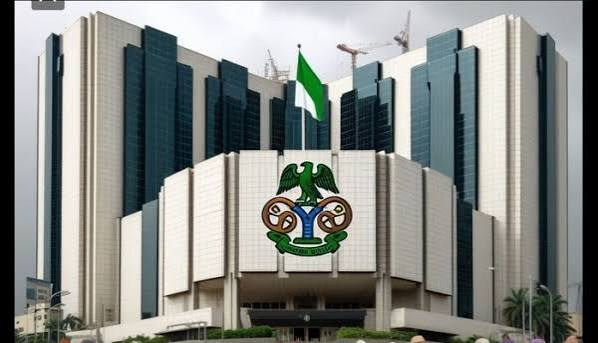
Credit to Nigeria’s private sector rose to N83.26 trillion in June 2026 from N81.04 trillion in May, signifying a positive balance of N2.22 trillion month-on-month.
Year-on-year, the figure represents a nine per cent increase compared with the N76.13 trillion recorded in June 2025. The latest figures come as the CBN continues to balance efforts to control inflation with the need to support economic growth and expand credit to businesses.
The CBN data shows that credit to Nigeria’s private sector increased by approximately 2.74 per cent month-on-month between May and June 2026. Also, the CBN data noted that credit to the government fell slightly to N40.03 trillion from N40.38 trillion. Other assets, net, dropped to N10.76 trillion from N12.63 trillion.
The credit surge signifies sustained growth in lending to businesses and other private-sector borrowers during the month. The rise in private sector credit was recorded alongside an increase in net domestic credit, despite declines in credit to government and other assets.
Further analysis of the report says that compared with June 2025, private sector credit rose by about N7.13 trillion yea-on-year but net domestic credit increased by approximately N1.87 trillion during the month.
The CBN’s relatively tight monetary policy stance notwithstanding, more banks still loaded funds to the private sector within the period. The Monetary Policy Committee (MPC) of the Central Bank of Nigeria (CBN) held its 306th meeting on July 20 and 21.
The Committee reviewed recent developments in the global and domestic economies, assessed emerging risks to the outlook and considered their implications for monetary policy and retained all rates.
The Committee decided to retain the Monetary Policy Rate at 26.5 per cent; the Standing Facilities Corridor around the MPR at +50/-450 basis points and retain the Cash Reserve Requirement (CRR) for Deposit Money Banks at 45.00 per cent, Merchant Banks at 16.00 per cent, and non-TSA public sector deposits at 75.00 per cent.
The MPC decision means that credit extension in the private sector will likely continue to rise because of rising confidence in the sector and calls by stakeholders for banks to invest in the private scetor instead of government securities.