
Business
Minister Hails Computer Village’s Contribution To Economy

The Computer Village in Ikeja, Lagos State, generates about two billion dollars (N300 billion) to the economy annually, Mrs Omobola Johnson, Minister of Information and Communications Technology, has said.
Johnson disclosed this at the Monthly Breakfast Meeting of the Nigerian-South Africa Chamber of Commerce last Thursday in Lagos.
According to the minister, the revenues come mostly from the cloning of phones and the exploration all sorts of software applications.
“I think I am the first ICT minister that has taken time to visit the place and we have seen that the operators have great skills.
“The place consists of wonderful sets of youths who are generating employment for themselves, while inventing new ICT skills.
“We have encouraged the operators to come out with local brands to support the growth of the economy,” the minister said.
Johnson said that the ministry was working closely with the executives of the market association to ensure that the operators’ skills were harnessed to generate more revenues.
She said that the ministry had plans to ensure that 60 per cent of rural dwellers had access to personal computers and the Internet by 2015.
“We plan to empower the youths at the Computer Village to fulfill these targets and to create more jobs,” the minister said.




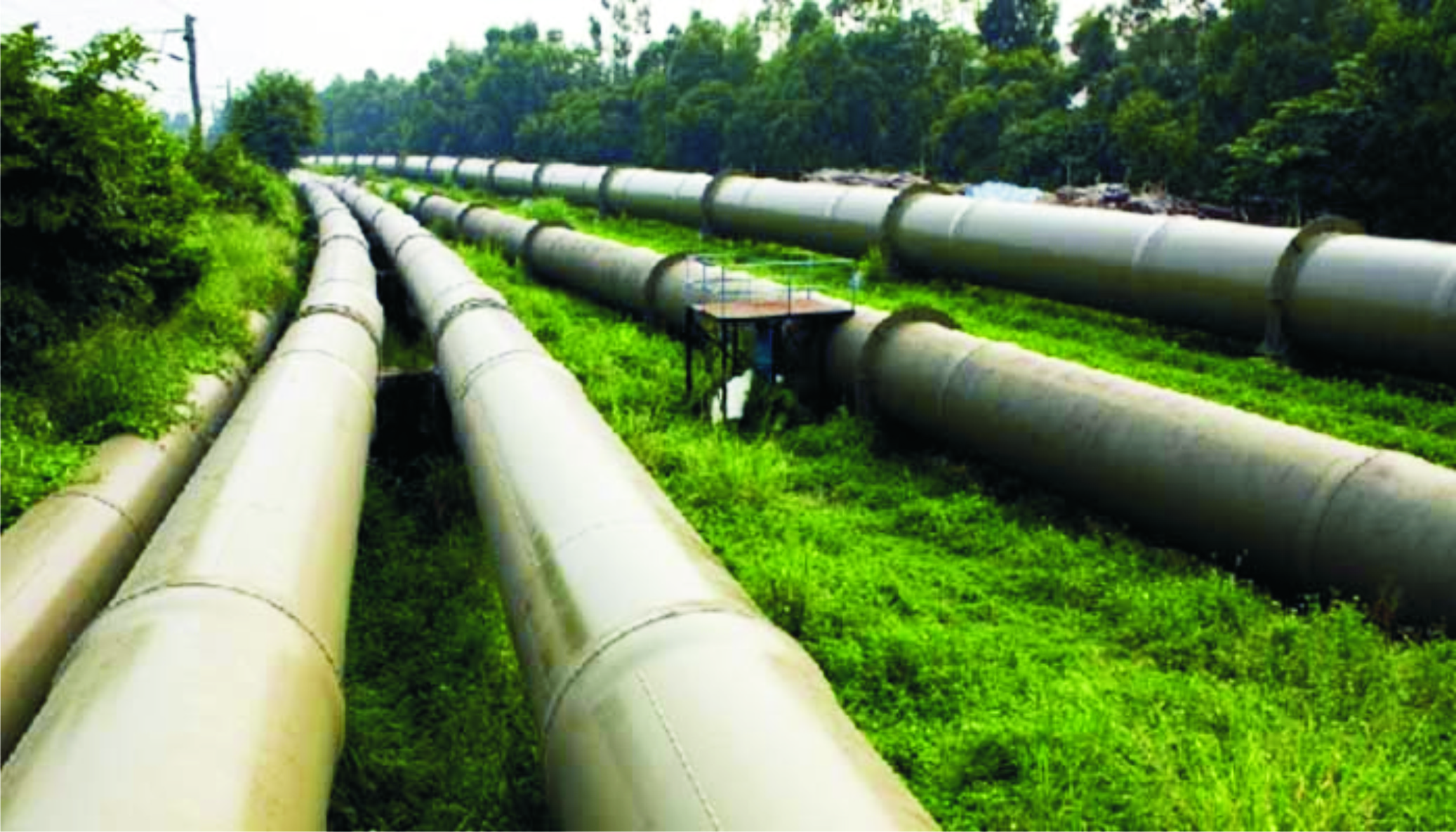
This figure is against the already released 40 slots by the company.
Consequently, the youths have moved to convene a national congress of youths to address issues relating to the oil exploration, which has sparked palpable divisions in the area.
Speaking during the inauguration of the Planning Committee for the Congress, in PortHarcourt, at the weekend, the President-General of OYF, Worldwide, Engr. Legborsi Yamaabana, described the congress as urgent, and targetted at addressing all issues arising from the planned oil resumption.
He said “The Ogoni nation stands at a critical crossroads in its history. We acknowledge the renewed political attention of the Federal Government of Nigeria under the leadership of His Excellency, President Bola Ahmed Tinubu (GCFR), particularly regarding the proposed resumption of oil and gas exploration in Ogoniland after more than three decades of suspension.
“While we recognize this development as a significant national conversation, we emphasize that any engagement concerning Ogoniland must be anchored on the principles of environmental justice, equitable benefit-sharing, and the protection of the dignity, rights, and future of the Ogoni people especially our youth, who remain the custodians of tomorrow.
“The Ogoni struggle is not merely historical; it is living, evolving, and central to the future of sustainable development in the Niger Delta and Nigeria at large.”
He called for calm over the 40 job opportunity given to the area by the NNPCL, insisting that such allocation was insufficient compared to the contribution of Ogoni to the economy.
Yamaabana rather requested that NNPCL, as a matter of importance, give 500 job slots to youths of the area,
In the interim, the leadership of OYF Worldwide has observed the unnecessary tension and uproar surrounding the reported 40 slots of employment opportunity allocated to Ogoni youths in NNPCL and its subsidiaries, as part of Federal Government confidence-building measure toward the resumption of oil and gas activities in Ogoniland.
“We strongly appeal to all Ogoni political, traditional, and community leaders to sheath their swords, maintain calm, and refrain from unnecessary squabbles over crumbs.
“Without preempting the sovereign deliberations of the upcoming Congress, let it be noted that Ogoni youth will not settle for tokenism.
“At the upcoming Congress, we shall formally demand a minimum of 500 direct employment opportunities within the Nigerian National Petroleum Company Limited (NNPCL) and its subsidiaries for qualified Ogoni youths, who have been economically sidelined and left inactive throughout this 33-year stalemate.”
-
 News7 minutes ago
Tinubu To Chair African Minerals Summit In New York
-
Education2 hours ago
NLNG, NCDMB, RSU Break Ground On Us$6.2m Research And Innovation Centre
-
 Oil & Energy1 hour ago
Oil Exploration Resumption: OYF Demands 500 Job Slots
-

 Business7 minutes ago
Ogoni Oil Resumption: Group Demands Transparency, Full Jobs Disclosure, Contracts
-
Education2 hours ago
Rivers Wins 2026 Presidential Inter-School Debate: Govt Pledges To Institutionalise Competition
-

 Politics1 hour ago
2027: INEC To Conduct Nationwide Electoral Equipment Test Run In November
-
 Editorial1 minute ago
Sustaining Legacies Of Rivers-Owned Media Outfits
-
Sports2 hours ago
Nigerian Keepers Show Impressive Forms In Europe