
Business
Bayelsa Traders Decry Excess Levies

Traders who visit Yenagoa now complain of being forced to pay excess levies by some youths in the Bayelsa State capital.
Some of the traders, mostly women, told The Tide that they were regularly asked to provide receipts for fresh fish, okro, vegetables, tomatoes, pepper, garri and other items they had bought in the farms.
One of the traders, Mrs. Idara Etim, alleged that the youths claimed the levies were approved by the state government.
“Once we fail to provide the receipts of farm products, they usually order each of us to pay any amount they want on any produce,” she said.
But when contacted, Mr. Solomon Apreala, chairman of the State Board of Internal Revenue, said that the levies were not authorised by the state government.
He described the youths’ action as illegal and advised the perpetrators to desist forthwith or face the wrath of the law.
Apreala explained that staffs of the board were only allowed to collect taxes from supermarkets and companies and not from petty traders.
He called on various agencies imposing levies on people to re-orientate their agents not to embarrass members of the public.
Mr. Christopher Obuali, head, Local Government Administration, Yenagoa Local Government, said he was unaware of any extortion of money from market women with goods.
Obuali, who recalled similar reports of harassment of traders at Igbogene last year in Yenagoa, called on government and other relevant authorities to look into the matter.
“This is with a view to stem the trend as it affects the prices of commodities,” he said.


-

 Featured5 days ago
Fubara Pledges Support For Corporate Organisations In Rivers …Says PPP Business Model Responsible For NLNG’s Success
-
 News5 days ago
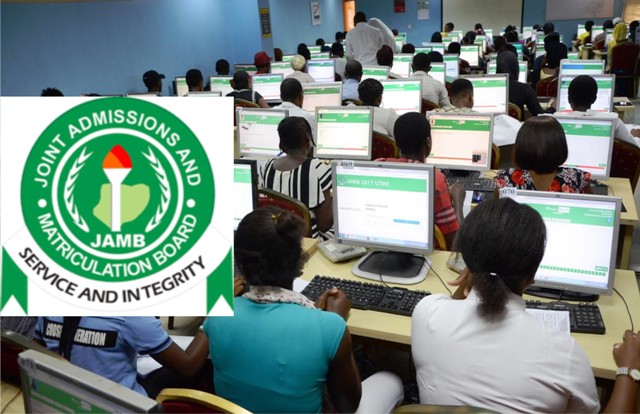
You Can Now Print Your Exam Slips, JAMB Tells 2026 UTME Candidates
-

 News5 days ago
Odu Urges Collaboration Among Stakeholders To Improve Health Service Delivery In Rivers