
Business
Association Tasks Africa Leaders On Iron, Steel Dev

The Secretary-General of the African Iron and Steel Association (AISA), Dr Muhammad Sanusi, yesterday told Africa leaders to encourage the development of the iron and steel sector to industrialise the continent.
Sanusi, who gave the advice in an interview with newsmen in Abuja, yesterday said that no nation or continent could industrialise without having an iron and steel base.
He said that even the so-called developed nations had well-established iron and steel industries before they became what they were.
“China came out from nowhere; today China is the largest economy in the world. Why? This is because she had established a very serious foundation on iron and steel.
“Today, China is the largest producer of steel, the largest consumer of iron and steel. 20 years ago, China was nowhere to be found.
“Today, India, Malaysia and Saudi Arabia, with their riches and oil revenue, gave priority attention to the development of iron and steel industries and they are still doing so.
He said that Africa leaders should be serious to industrialise the continent and also be in a position to help their industries to produce spare parts needed in the continent.
The secretary said that there was no Africa country that did not have large quantities of raw materials required to set up iron and steel industries.
“In almost every African country, there are one or two materials useful for the production of iron and steel.”
Sanusi said that Nigeria, Algeria, Egypt, Zimbabwe, Ghana, Mali, Angola, Congo, Ethiopia, Kenya, Senegal, Tanzania, Togo, Tunisia, Uganda, Zambia and Mauritania, all AISA members had iron and steel raw materials.
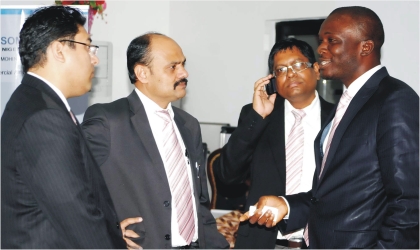
L-R: Sales Manager (North), Somotex Nigeria Ltd, Abhishek Sadhya, Vice President, Ajay Singh, Regional Business Manager, Sridhar Doraiswamy and Commercial Air Conditioning (CAC) Project Sales Manager, Stephen Olorunleke, at a seminar on Commercial Air Conditioning in Abuja last Wednesday.



Business
Jonathan, Diri, Others Laud Firm’s Milestone in Bayelsa …Says Project Will Drive Industrialisation, Create Jobs



-

 News2 days ago
RSG Targets Nine Million Residents in Mosquito Net Distribution Campaign
-

 Oil & Energy2 days ago
Aiyedatiwa Signs New Electricity Bill
-

 Maritime2 days ago
Marine Minister Commends President Tinubu On NPERA Bill Assent
-

 Oil & Energy2 days ago
NLNG Commissions Research And Innovation Centre In RSU
-

 News2 days ago
KenPoly Holds Eight Convocations, August 29
-

 News2 days ago
RSG Begins Another Phase of Projects Commissioning Today
-

 News2 days ago
RMAFC Completes Revenue Sharing Review, Proposes New Pay
-

 Maritime2 days ago
NAGAFF Petitions IGP Over Alleged Maritime Police Harassment