
Oil & Energy
Lawmakers Task Coys, Nigerians On Solutions To Adulterated Fuel

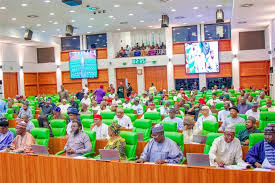
Following the influx of adulterated fuel products into Nigeria, the House of Representatives’ Joint Committee on Petroleum Resources (Midstream and Downstream) has called on oil companies and stakeholders in the nation’s oil and gas sector to among other things submit proposals highlighting how to address and combat the menace.
The proposals are needed ahead of the lawmakers’ public hearing, following the committee’s forensic investigation into the challenges affecting the midstream and downstream petroleum sectors in Nigeria.
The call was made in a Press Release signed by the Spokesman of the committee, Rep. Akin Rotimi, and published on the Committee’s Facebook page on Thursday, August 1.
According to the release, Chairman of the Joint Committee of the House, Ikenga Imo Ugochinyere, disclosed that the joint committee was investigating allegations of production and importation of substandard fuel products and non-supply of crude to domestic refineries.
He said the initiative was empowered by Sections 88 and 89 of the Constitution of the Federal Republic of Nigeria, 1999 (as amended), which authorizes the National Assembly to conduct investigations.
Ugochinyere also stated that the investigation followed a resolution of the House on July 9, 2024, mandating the inquiry to address issues within these critical sectors.
“In view of this, the Joint Committee (Midstream and Downstream) invites stakeholders, petroleum industry experts, private oil companies, and the general public to submit memoranda to assist in this comprehensive investigation”, the statement partly reads.
It continued that “Issues each proposal should address include: Resurgence of fuel queues at petrol stations; unavailability of fuel stock for downstream domestic refineries; disruption of the distribution of PMS products; unfair subsidization of PMS and other petroleum products, racketeering, and favoritism in the Pro Forma Invoice (PFI) system; Indiscriminate issuance of licenses and importation of refined petroleum products.
“Alleged return of PMS price intervention; Allegation of product unavailability to marketers from NNPC Retail, endless shifting of timelines for refinery rehabilitation, and nefarious activities at petrol depots; unavailability of laboratories to check adulterated products; influx of adulterated products into the country; allegation of non-domestication of profits realized from crude marketing sales in local banks, and abuse of the PFI regime.
“Importation of products already being produced in Nigeria; use of international trading companies to resell fuel stock to local refineries.
“Also is the allegation of the return of subsidy on downstream PMS products; Unclarity about the exact landing cost of PMS reduction in retail price and its impact on downstream operations; Allegation of importation of substandard products and high-sulphur diesel into Nigeria; sale of petroleum products below fair market value impacting downstream and local refineries, and sources of funds for price interventions; Lack of support for local crude refiners”.
It also included “high cost of Premium Motor Spirit (PMS) and lack of clarity on PMS landing costs; Allegations of unfair subsidization, racketeering, favoritism in the Pro Forma Invoice (PFI) system, and abuse of the PFI regime.
“Presence of middlemen in trading; Importation of locally produced products like jet fuel and AGO; alleged return of PMS subsidy and issues surrounding the subsidy regime; Importation of substandard/high-sulphur diesel; failure of regulators like the Nigerian Midstream and Downstream Petroleum Regulatory Authority (NMDPRA) and Nigerian Upstream Petroleum Regulatory Commission (NUPRC) to enforce compliance and standards; forward sales, revenue from it, and its impact on domestic crude availability; sustainability of the ongoing endless turnaround maintenance of refineries.
“Alleged non-completion of the merger of OVH and NNPCL retail, and other challenges in the merger; Allegation of introduction of monopoly in petroleum products production; Sharp practices at depots and non-availability of petroleum products after payment; main causes of fuel availability crises, high costs, and alleged racketeering by marketers; demand for a ban on the importation of PMS and other petroleum products”.
The lawmakers stressed that the memoranda should highlight concerns, challenges, and proposed solutions to the issues.
“Submissions must be delivered in 10 hard copies, accompanied by two flash drives, to the office of the Clerk, Committee on Petroleum Resources (Downstream), Room HB. 44, White House, National Assembly, Abuja, by Wednesday, August 14, 2024.
By: Lady Godknows Ogbulu




-
Rivers1 day ago
Rivers Police Uncovers Firearm Concealed In Loaf Of Bread
-

 Niger Delta22 hours ago
Pro-Chancellor Hands Over Okey Onuchuku Peace, Conflict Institute Building
-

 News22 hours ago
Fubara Reaffirms Commitment To Blue Economy, Private Sector Growth …Calls For Protection Of Marine Resources
-
Sports1 day ago
Six Nigerians To Play For NBA Teams
-
Business1 day ago
Gas Economy: Decade of Gas, Pi-CNG/ EV Deepen Media Engagement
-
Business1 day ago
Navy Nabs 13 Black Sand Miners In Bayelsa –Impound Two Boats
-
 Business23 hours ago
IPMAN Raises Concern Over Delay In Chinese Refinery Deal …Predicts Lower Fuel Prices Through Competition
-
Business1 day ago
Accountable Leadership, Urgent Reforms Will Stimulate Economic Growth — Osi